
Plants
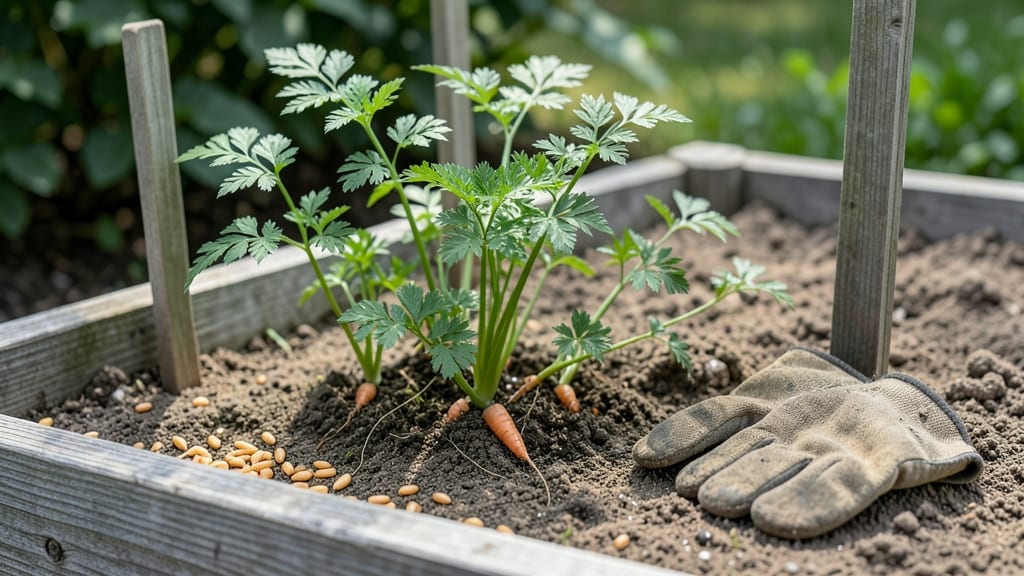
Planting carrots in Louisiana isn’t just about throwing seeds in the dirt—it’s about working with the state’s unique climate to grow sweet, straight roots that won’t bolt or turn woody. With its humid summers and mild winters, Louisiana’s 8a-9b zones offer two prime windows for success: fall and spring.
Miss the timing, and you’ll end up with bitter, forked 🥕 or plants that flower too soon. But get it right, and you’ll enjoy a steady harvest from November through June.
Whether you’re in New Orleans’ coastal humidity or Shreveport’s drier air, the key is knowing when to start seeds and how to prep your soil for Louisiana’s heavy clay or sandy patches.
In this guide, I’ll break down the exact planting schedule for your zone, plus soil tricks to prevent common Louisiana pitfalls like bolting or pest pressure. You’ll learn how to stretch your harvest with succession planting and which varieties thrive in our heat.
Ready to grow carrots that actually look like the ones in the store? Let’s get started with the perfect timing for your Louisiana garden.
Louisiana carrot planting calendar: zone-specific deadlines by month
Louisiana’s humid subtropical climate gives you two prime windows for planting carrots: fall and spring. The key is avoiding summer heat, which triggers bolting (premature flowering). In zones 7b-9a, your ideal planting months are September-October for fall crops and February-March for spring.
Let’s break down the exact deadlines and soil prep for each.
For fall planting, aim to sow seeds 8-10 weeks before your first frost (typically mid-November).
In Louisiana, this means early September for most regions. Spring planting should happen 6-8 weeks before last frost (around February 15), so late January to early March works best. Succession planting every 2-3 weeks ensures continuous harvests.
Here’s your zone-specific planting calendar with soil temperature requirements and local adjustments:
Louisiana’s sandy soils in areas like Shreveport drain too quickly, while clay-heavy soils in Baton Rouge compact easily. Before planting, amend soil with 2-3 inches of compost and sand (for sandy areas) or peat moss (for clay). Loose soil prevents forked roots, a common Louisiana problem.
For direct sowing (recommended), plant seeds ¼ inch deep in furrows 12 inches apart. Thin seedlings to 2-3 inches apart when they’re 2 inches tall.
In Louisiana’s humidity, disease pressure is high, so avoid overhead watering. Use a soaker hose or drip irrigation to keep foliage dry.
If you’re transplanting (less common for carrots), start seeds indoors 4-6 weeks before outdoor planting. Harden off seedlings by gradually exposing them to outdoor conditions for 1 week before transplanting. Louisiana’s high heat can shock young plants, so transplant in early morning or late afternoon.
Pro tip: Interplant carrots with onions or leeks to deter carrot rust fly, a persistent Louisiana pest. The onion scent masks the carrot aroma, confusing the flies. Rotate crops annually to break pest cycles—never plant carrots in the same spot two years in a row.
Monitor your garden for bolting signs: elongated stems and yellowing leaves. If this happens, harvest immediately—bolted carrots become woody and bitter. In Louisiana’s spring heat, shade cloth (30-50%) can delay bolting by 2-3 weeks.
Louisiana carrot planting calendar: zone-specific deadlines by month
Louisiana’s 8a-9b climate zones give you two perfect windows to grow sweet, straight carrots: fall and spring. The key is planting when soil temps stay below 80°F to prevent bolting and ensure tender roots.
In my experience, September-October for fall crops and February-March for spring work best across most of the state.
For New Orleans and coastal areas, aim slightly earlier (late August) to beat summer’s intense heat, while Shreveport and north Louisiana gardeners can extend fall planting to early November.
The goal? Harvest before the first frost (December 1 on average) or after the last frost (February 15).
| Season | Planting Window | Soil Temp | Harvest Window | Notes |
|---|---|---|---|---|
| Fall | Late August - Early October | 60-75°F | November - December | Best for cooler roots; use shade cloth if temps rise above 85°F |
| Spring | Mid-February - Early March | 55-65°F | April - June | Avoid planting too early; bolting risk increases before last frost |
| Succession | Every 3-4 weeks | 60-75°F | Staggered harvests | Extend harvests by sowing small batches every 3 weeks in fall/spring |
Direct-sowing is best for carrots—transplants struggle with root damage. Scatter seeds ¼-inch deep in rows spaced 12-18 inches apart to prevent overcrowding. Louisiana’s heavy clay soil? Amend with compost and coarse sand for loose, fork-free roots. I’ve found ‘Danvers Half Long’ and ‘Nantes’ varieties handle our soil best.
Water consistently—1 inch per week—but avoid soggy soil, which causes rot. Mulch with straw to retain moisture and keep roots cool. In Zone 9a (south Louisiana), you can even try a winter crop in December if you protect seedlings with row covers.
Pro tip: Test your soil’s pH (6.0-7.0 ideal) and add lime if needed. Louisiana’s acidic soils often need adjustments for sweet, flavorful carrots. I’ve seen 30% larger yields after amending mine!
Miss the timing? Don’t worry—just wait for the next window. With these deadlines, you’ll avoid the bitter, woody roots that come from summer planting. Happy growing!