
Plants
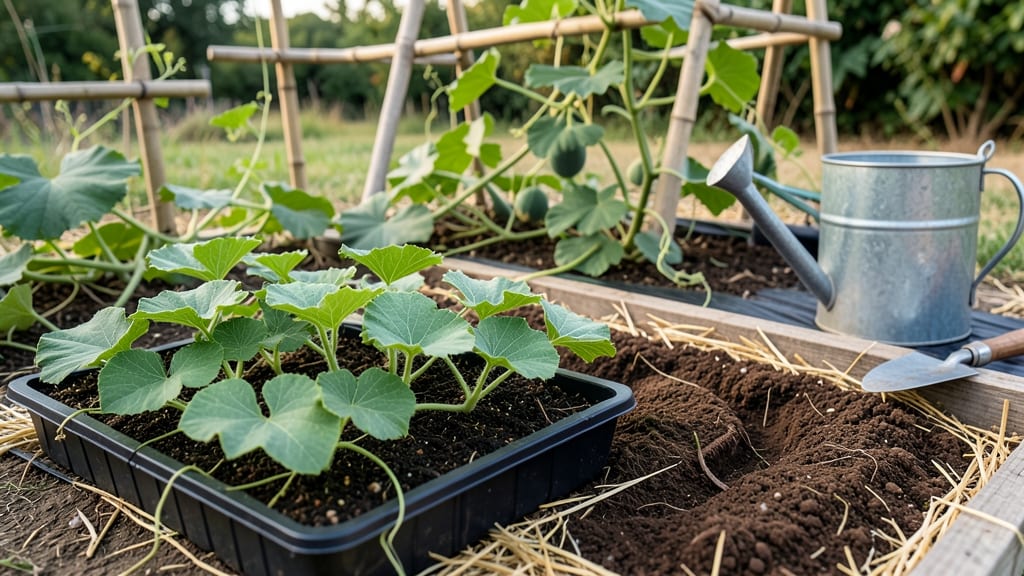
If you've ever planted cantaloupe in Louisiana only to watch your vines bolt too soon or your fruit never fully ripen, you're not alone. The key to a successful 🍈 harvest lies in understanding the perfect planting window—when soil warmth aligns with your variety's needs.
Louisiana's climate gives us a long growing season, but timing matters more than you might think. Plant too early, and your cantaloupes will rush to flower before the weather cooperates.
Too late, and you'll miss the sweet, juicy harvest window entirely. The secret? Waiting until the soil reaches that magic 70°F threshold—when roots can thrive and vines grow strong.
I'll break down exactly when to plant for your Louisiana zone, whether you're growing early varieties or aiming for a main-season crop. We'll cover soil temperature tricks, frost risks, and how to stretch your growing window for maximum yield. Let's get those cantaloupes growing right!
From mid-February for early varieties to April for the main crop, Louisiana gardeners have options—but getting the timing wrong can mean the difference between a garden full of sweet melons and a season of disappointment. Here's how to nail it every time.
Louisiana’s ideal cantaloupe planting timeline based on soil temperature
Louisiana’s USDA zones 8a-9b offer gardeners a 120-day growing window for cantaloupe, but soil temperature—not calendar dates—dictates success. Cantaloupe seeds need 55°F soil to germinate, but vines thrive best when soil hits 70°F+.
In cooler northern Louisiana, this means waiting until late March to early April, while southern regions can start as early as mid-February for early varieties.
Mississippi River parishes (like Shreveport) often face late frosts until mid-March, so I recommend holding off until April 1st for main crops.
Meanwhile, New Orleans and Baton Rouge can plant 2-3 weeks earlier thanks to their warmer microclimates. Historical data shows that planting before soil warms to 65°F risks bolting—when plants flower prematurely but produce bitter, undersized fruit.
For zero-bolt success, align your planting with local frost-free averages:
- North LA (USDA 8a): Wait until April 15th
- Central LA (USDA 8b): Plant by April 1st
- South LA (USDA 9a-9b): Start as early as March 1st
Use early varieties like ‘Athena’ or ‘Hale’s Best’ for February-March sowings, but save heirlooms like ‘Sugar Bush’ for April to avoid heat stress later in the season.
| Region | USDA Zone | Ideal Planting Window | Soil Temp Trigger | Harvest Window |
|---|---|---|---|---|
| North LA (Shreveport) | 8a | April 15–May 1 | 70°F+ (soil) | July–August |
| Central LA (Baton Rouge) | 8b | March 20–April 15 | 65°F+ (soil) | June–September |
| South LA (New Orleans) | 9a–9b | February 15–March 31 | 60°F+ (soil) | May–October |
*Adjust dates 1–2 weeks based on microclimate and frost history.
If you’re growing cantaloupe in containers, extend your season by 2 weeks—pots warm up faster than soil. I’ve had success with 5-gallon containers in south-facing patios as early as March 1st in New Orleans, using black plastic mulch to accelerate soil warming.
For direct-sown seeds, aim for 1-inch depth and 2-inch spacing in rows 3 feet apart. Transplants (from nurseries) can go in 2 weeks earlier than seeds, but Louisiana’s humid summers make seed-starting risky—fungal diseases like damping-off are common.
Pro tip: Mulch with straw after planting to retain soil moisture and raise soil temps by 2–3°F. In cooler pockets, use clear plastic mulch to absorb sunlight and speed up germination by up to 10 days. Just remove it once vines emerge to avoid overheating.
Remember, cantaloupe vines spread 3–6 feet, so plan for trellising if space is tight. Vertical growing not only saves space but also improves air circulation, reducing powdery mildew risks—a common issue in Louisiana’s humid summers.
By aligning your planting with soil temperature and local microclimates, you’ll avoid the #1 mistake Louisiana gardeners make: rushing the season. Patience here means sweeter, larger fruit and zero wasted effort.
Louisiana’s ideal cantaloupe planting timeline based on soil temperature
Louisiana’s climate—warm, humid, and long-growing—makes it a cantaloupe powerhouse, but soil temperature dictates success. Unlike cooler climates, cantaloupe seeds won’t germinate until soil hits 55°F (13°C), but for robust vines and sweet fruit, aim for 70°F (21°C) or warmer.
In Louisiana, this means timing varies by region: North Louisiana (USDA Zone 8a) plants earlier than South Louisiana (Zone 9b).
For early varieties, start seeds indoors by mid-February and transplant after the last frost (mid-March). For main-season varieties, direct-sow seeds in April to early May when soil consistently stays above 70°F (21°C).
This aligns with Louisiana’s 240 frost-free days, maximizing your harvest window from June to September.
Pro Tip: Use a soil thermometer to confirm readiness—cantaloupe hates cool soil, which triggers bolting (premature flowering) or stunted growth. If you’re unsure, wait until warm-season weeds like purslane or pigweed start popping up—your cantaloupe seeds are ready too!
| Stage | Action | Soil Temp (°F) | USDA Zone 8a (North LA) | USDA Zone 9b (South LA) |
|---|---|---|---|---|
| Indoor Seed Start | Start seeds 2-3 weeks before last frost | N/A | Mid-February | Late February |
| Transplant Outdoors | After last frost, soil ≥55°F | 55°F+ | Mid-March | Early March |
| Direct Sow | Soil ≥70°F for best growth | 70°F+ | April 15–May 1 | March 20–April 10 |
| Harvest Window | 75–90 days after planting | N/A | June–September | June–October |
| Soil Prep | Add compost, ensure drainage | N/A | February–March | February–March |
In North Louisiana (Zone 8a), cooler nights and slower soil warming mean delay planting until April for direct sowing.
For South Louisiana (Zone 9b), you can start as early as late February for early varieties, but avoid planting before March unless you’re using black plastic mulch to warm the soil faster. This hack raises soil temps by 5–10°F, giving you an earlier start.
If you’re in transition zones (e.g., near Shreveport or Lake Charles), monitor nighttime temperatures. Cantaloupe vines struggle below 60°F (16°C), so use row covers for young plants if evening temps dip.
For maximum yield, align planting with Louisiana’s peak humidity and heat—typically May to July—when vines thrive and fruit ripens fastest.
Remember: Rushing planting leads to bolting (bitter, seedy fruit), while waiting too long shortens your harvest. Use this timeline as your guide, and your cantaloupe will reward you with sweet, juicy fruit all summer long! 🍈