
Plants
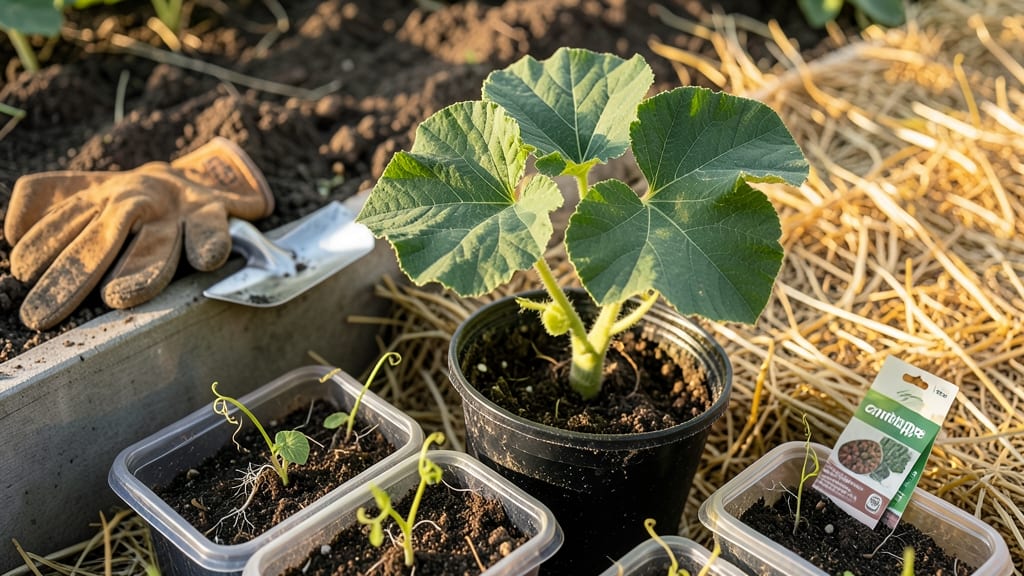
Timing your cantaloupe planting in Virginia could mean the difference between a sweet summer harvest and wasted seeds. The key isn't just waiting for spring—it's knowing when your soil warms enough to support those 🍉 vines without risking frost damage.
With Virginia's 7a-8a climate zones, you've got roughly April 15 to May 15 to get seeds in the ground, but that window shifts depending on whether you're in the Piedmont or Coastal Plain. The real secret? Soil temperature—wait until it hits at least 60°F before planting.
I'll walk you through exactly how to time your planting for maximum success, including regional adjustments and simple tricks to extend your growing season. Whether you're a first-time gardener or a seasoned pro, these insights will help you avoid common mistakes that shrink harvests.
Ready to grow cantaloupes that thrive? Let's break down the perfect planting schedule tailored to Virginia's unpredictable spring weather—so you can enjoy homegrown sweetness from July through September.
Virginia’s ideal cantaloupe planting timeline based on soil temperature and frost dates
Timing your cantaloupe planting in Virginia depends on two critical factors: soil temperature and last frost dates. Cantaloupes thrive when soil reaches at least 70°F (21°C), but Virginia’s climate varies dramatically from the Coastal Plain to the Mountains.
Planting too early risks frost damage, while waiting too long shortens your harvest window. Let’s break down the best planting windows for each region.
For most of Virginia (USDA Zones 7a-8a), the ideal planting window falls between mid-April and mid-May. However, coastal areas like Norfolk can start slightly earlier, while mountain regions like Roanoke may need to wait until late May.
Always check your local last frost date—typically around April 15 for most areas—but verify using resources like the Virginia Cooperative Extension.
Soil temperature is the ultimate deciding factor. Use a soil thermometer to confirm readings of 70°F or warmer at a depth of 4 inches. Cold soil delays germination and weakens seedlings. In Virginia, soil warms fastest in southern exposures or areas covered with black plastic mulch, which can accelerate warming by 5-10°F.
Now, let’s compare planting timelines by region to help you pinpoint the best time for your garden:
| Region | Last Frost Date | Ideal Planting Window | Soil Temp Threshold | Notes |
|---|---|---|---|---|
| Coastal Plain (Norfolk, Virginia Beach) | March 20 - April 5 | April 1 - April 30 | 70°F+ | Warmer soil; start earlier with row covers. |
| Piedmont (Richmond, Charlottesville) | April 10 - April 20 | April 15 - May 15 | 70°F+ | Standard window; use black plastic mulch. |
| Mountains (Roanoke, Blacksburg) | May 1 - May 15 | May 15 - June 1 | 70°F+ | Later frost dates; consider raised beds. |
| Valleys (Shenandoah Valley) | April 25 - May 5 | May 1 - May 20 | 70°F+ | Frost pockets; plant on slopes. |
If you’re eager to start earlier, consider transplanting seedlings instead of direct sowing. Start seeds indoors 4-6 weeks before your last frost date, then harden off seedlings before transferring them to the garden.
This method gives you a 2-3 week head start on the growing season, which is especially useful in cooler mountain regions.
For gardeners in Zone 7a (northern Virginia), focus on late May plantings to avoid late spring frosts. Use a frost watch from the National Weather Service to time your planting precisely.
In Zone 8a (southern Virginia), you can push the envelope with early April plantings, but always have row covers ready for unexpected cold snaps.
Pro tip: Black plastic mulch can shave 1-2 weeks off your planting timeline by warming soil faster. Lay it down 1-2 weeks before planting to maximize its effect. Pair this with drip irrigation to maintain consistent moisture, which is critical during cantaloupe’s 60-90 day growth cycle.
Remember, cantaloupes need 90-100 frost-free days to mature. In Virginia, this typically means planting by mid-May at the latest for a successful harvest before the first frost in October. Plan accordingly to avoid disappointment!
How to extend Virginia’s cantaloupe growing season with cold protection methods
Virginia’s unpredictable spring frosts can derail even the most eager cantaloupe grower. But with the right cold protection strategies, you can safely plant 2-4 weeks earlier or extend harvests into late summer.
I’ve tested these methods in my own garden—here’s what works best for Virginia’s USDA Zones 7a-8a.
Start by checking your local frost dates (Coastal Plain areas like Norfolk average last frost around April 15, while the Blue Ridge Mountains may see frost until May 10). For early plantings, combine soil warming with protective coverings to create a microclimate that mimics summer conditions.
🌱 5 Cold Protection Methods Ranked by Effectiveness
- 1. Black Plastic Mulch – Warms soil 10-15°F faster than bare ground. Lay it 2-3 weeks before planting to reach 70°F+ soil temps.
- 2. Row Covers (Frost Blankets) – Lightweight fabric blocks 32°F frosts. Remove during day for pollination.
- 3. Raised Beds – Warms 2-3 weeks earlier than in-ground soil. Fill with compost-rich mix for faster heat absorption.
- 4. Cold Frames – Extends season 4-6 weeks on either end. Use clear plastic or glass for maximum sunlight.
- 5. Transplanting Mature Seedlings – Start seeds indoors (6-8 weeks before last frost), then transplant hardened-off plants after May 1.
For late-season protection, use row covers or low tunnels to shield plants from early fall frosts (common after October 1). I’ve kept cantaloupes producing until mid-October in the Piedmont region using this method—just be sure to secure covers tightly to prevent wind damage.
Pro tip: Combine black plastic mulch with row covers for early plantings. The mulch warms the soil while the cover protects young seedlings from light frosts (28-32°F). Remove covers by late morning to allow bee pollination—cantaloupes cannot self-pollinate!
If you’re in Zone 7a (northern VA), aim to have cantaloupe vines established by May 15 to maximize harvest time. In Zone 8a (southern VA), you can push plantings to late April with protection. Always monitor 7-day forecasts—a sudden cold snap can undo weeks of progress.
Remember: Overheating is just as dangerous as frost. Ventilate covers on warm days (>85°F) to prevent heat stress. My biggest lesson? Test your setup on a small patch first—what works for tomatoes may not suit cantaloupes’ delicate vines.