
Plants
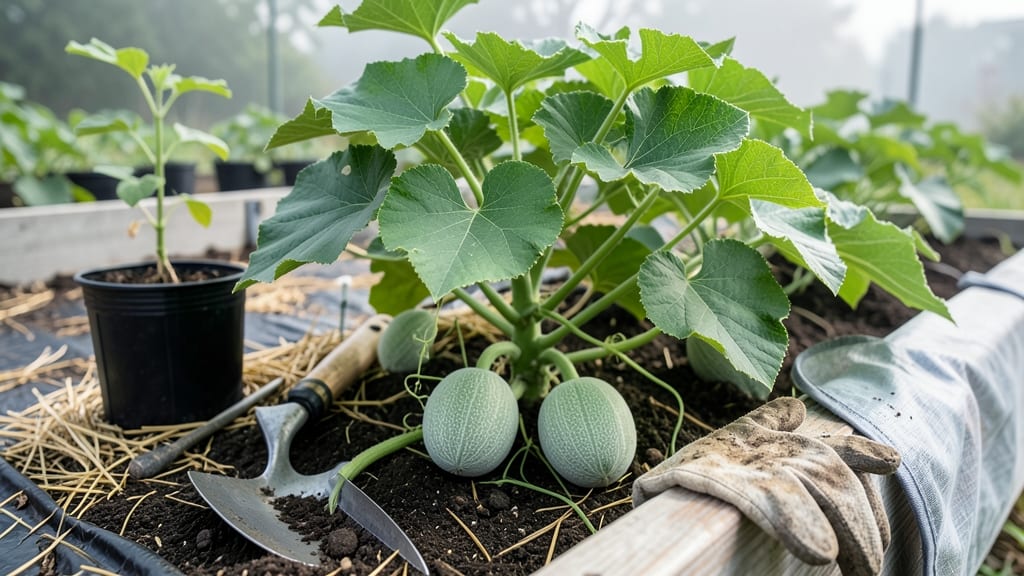
Timing your cantaloupe planting in Ohio isn't just about dropping seeds in the dirt—it's a high-stakes game that can mean the difference between sweet summer harvests and bitter disappointment.
With Ohio's unpredictable spring frosts and short growing season, planting too early risks frost damage, while waiting too long might leave you with no cantaloupe at all.
Most Ohio gardeners wait until after the last frost date—typically late April to early May—when soil temperatures finally climb above 70°F. But here's the catch: cantaloupe thrives in warmth, so rushing the process can backfire.
I'll show you exactly when to plant for Ohio's Zone 6a climate and how to give your 🍈 vines the best shot at success.
You'll discover the ideal planting window, how to prepare your soil for maximum growth, and even strategies to extend your harvest season. Whether you're a first-time gardener or a seasoned pro, these insights will help you grow cantaloupe that's sweeter and more abundant than ever before.
The best part? With the right timing, you could be enjoying homegrown cantaloupe as early as July. Let's get your Ohio garden ready for a cantaloupe bonanza this summer!
Ohio’s frost-free planting zones and cantaloupe’s heat requirements
Ohio’s USDA Zones 5-6 and variable climate make cantaloupe planting a delicate balance between soil warmth and frost risk. Unlike hardy crops, cantaloupes demand minimum soil temperatures of 70°F—a threshold Ohio’s northern regions often hit weeks after the last frost.
In southern Ohio (e.g., Cincinnati), you might plant by mid-April, while northern areas (e.g., Cleveland) should wait until late May.
Cantaloupes thrive as warm-season annuals, meaning they cannot tolerate frost at any growth stage. The 165 frost-free days in Ohio’s short season demand precise timing: plant too early, and your vines will wilt; too late, and harvests arrive after the first frost in mid-October.
The key is aligning your planting with local last-frost averages while ensuring soil warmth.
Direct sowing (planting seeds outdoors) is the preferred method for Ohio gardeners, as cantaloupe seedlings are delicate and transplant poorly. However, starting seeds indoors 4-6 weeks before the last frost can give you a 2-week head start in colder microclimates. For example, Ohioans in Zone 5b (like Columbus) should aim for indoor seed starts by mid-March.
Here’s the critical catch: soil temperature matters more than air temperature. Use a soil thermometer to confirm readings of 70°F+ at 2-inch depth before planting.
In Ohio, this often means waiting until late April to early May, even if the last frost has passed. Black plastic mulch can accelerate soil warming by 5-10°F, shaving weeks off your planting timeline.
Ohio’s microclimates further complicate timing. Urban areas like Columbus may see earlier soil warmth due to pavement heat retention, while rural Appalachian foothills can lag by 2-3 weeks. Always check local frost data from sources like the Ohio State University Extension or Almanac’s frost calculators to refine your schedule.
For direct sowing, Ohio gardeners should target May 1–15 in most regions, with exceptions for southern Ohio’s earlier windows. Transplants (if used) must go in after soil reaches 70°F, typically late May.
The 80-day harvest window means cantaloupes planted in early May will be ready by late July, just in time for summer’s peak heat.
One common mistake is planting cantaloupes too early in cool soil, which stunts growth and invites soil-borne diseases. Another pitfall is ignoring pollination needs: cantaloupes require bees and warm days (80°F+) to set fruit.
Ohio’s early summer heat waves often provide ideal conditions, but row covers can help if blooms appear before bees are active.
To maximize success, pair your planting with low-tech season extenders. Black plastic mulch warms soil faster, while row covers protect young plants from late spring frosts (which can occur as late as May 10 in northern Ohio). Raised beds also help by warming soil 2–4°F faster than ground-level plots.
Here’s a quick rule of thumb: Count backward from your first frost date. Cantaloupes need 80–90 days to mature, so subtract 3 months from mid-October to land on your ideal planting window.
For most of Ohio, this lands between May 1 and June 1, with flexibility for microclimates.
| Factor | Direct Sowing | Transplanting |
|---|---|---|
| Planting Window | May 1–15 (soil 70°F+) | Late May (after last frost) |
| Soil Temp Requirement | 70°F+ at 2" | 70°F+ at 2" |
| Indoor Start Time | N/A | 4–6 weeks before last frost |
| Harvest Window | July–early Sept | Late July–early Sept |
| Key Risk | Cool soil stunts growth | Transplant shock |
| Ohio-Specific Tip | Use black plastic mulch to warm soil | Hardening off seedlings for 1 week |
Ohio’s northern border (e.g., Toledo, Youngstown) may need to delay until early June to avoid late spring frosts, while southern Ohio (e.g., Chillicothe, Athens) can start as early as mid-April with row covers. Always monitor weekly frost forecasts from the National Weather Service to adjust your timeline dynamically.
For container growing in Ohio, choose 5-gallon pots
Step-by-step planting timeline: from seed to harvest in 80 days
Ohio’s cantaloupe plants need a solid 80-day growing season, so timing your planting is everything. I’ve broken it down into a clear timeline to help you avoid common mistakes like planting too early or ignoring soil warmth.
Start by marking your last frost date—typically mid-April—as your reference point.
For the best results, begin seeds indoors 4-6 weeks before your last frost date. This means starting them around early to mid-March in Ohio. Use small pots with well-draining soil and keep them in a warm spot (around 70°F) until they sprout.
Transplant seedlings outdoors only after the soil warms to 70°F+ and nighttime temperatures stay above 55°F.
📅 Step-by-Step Planting Timeline
- March 1-15: Start seeds indoors (4-6 weeks before last frost).
- April 15-30: Harden off seedlings (acclimate to outdoor temps).
- May 1-15: Transplant seedlings after last frost, when soil is 70°F+.
- May 15-June 15: Monitor for blooms (expect flowers in 4-6 weeks).
- June 15-July 15: Hand-pollinate flowers (tap stems gently to release pollen).
- July-August: Harvest when the stem slips easily and fruit smells sweet.
Once your seedlings are ready to move outdoors, choose a sunny, well-draining spot with at least 6-8 hours of sunlight daily. Cantaloupe vines spread widely, so space plants 3-6 feet apart in rows 5-6 feet apart.
If you’re direct sowing, wait until mid-May when the soil is consistently warm.
After planting, focus on consistent watering—about 1-2 inches per week—and mulch around plants to retain moisture. Cantaloupe is heavy feeders, so side-dress with balanced fertilizer (5-10-10) every 4-6 weeks during the growing season. Avoid over-fertilizing, which can lead to leafy growth instead of fruit.
By following this timeline, you’ll ensure your cantaloupe plants have enough time to mature before Ohio’s first frost (usually mid-October). With the right care, you could be enjoying homegrown cantaloupe as early as July and stretching your harvest into early September.
Pro tip: Keep an eye on your plants for powdery mildew or cucumber beetles, common pests in Ohio. Address issues early to protect your harvest. Happy planting!