
Plants
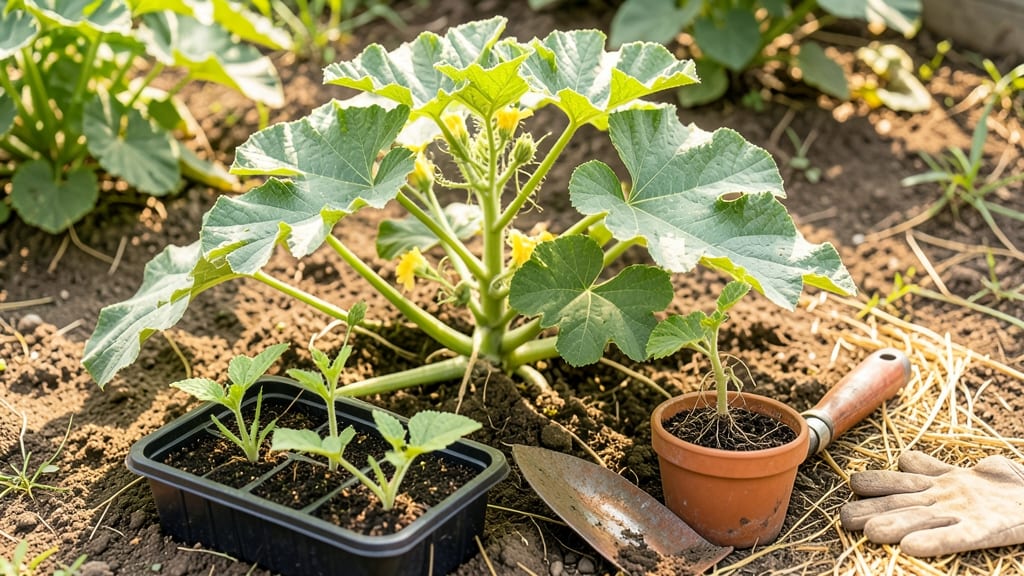
Timing your cantaloupe planting in Michigan can mean the difference between a bountiful harvest of sweet, juicy 🍈 fruit and disappointment—because these heat-loving plants refuse to thrive in cool soil.
If you plant too early, frost will nip your vines before they even get started, while waiting too long risks vines struggling to mature before Michigan’s early fall chill sets in.
Most gardeners in USDA zones 5b-6b need to wait until after the last frost date—typically mid-April to early June—when soil temperatures consistently reach 70°F or higher. That’s the magic threshold for cantaloupe seeds to germinate reliably, and skipping this step means waiting weeks for your garden to cooperate.
Here’s the good news: with the right variety and a few smart tricks, you can push your harvest window just enough to enjoy ripe cantaloupes from July through early September.
Whether you’re starting seeds indoors or sowing directly into warmed soil, I’ll walk you through the exact steps to maximize your chances—no guesswork required.
Let’s dive into the secrets of planting cantaloupe in Michigan’s unpredictable climate, so you can skip the trial-and-error and head straight to that first satisfying slip of a ripe fruit from the vine.
Optimal planting dates for Michigan cantaloupe based on frost zones
Michigan’s three distinct frost zones create unique planting windows for cantaloupe—getting the timing wrong can mean the difference between sweet summer fruit and wasted effort. The Upper Peninsula has the shortest season, while Southern Michigan enjoys an extra 2-3 weeks of warmth.
Let’s break down the exact dates and heat unit requirements for each region to maximize your cantaloupe harvest.
Cantaloupe thrives with 150-180 frost-free days, so understanding your local last frost date is critical. In Northern Michigan, the last frost typically occurs around May 15-20, while Southern Michigan can plant as early as April 20-30.
The key is waiting until soil temperatures consistently reach 70°F+—cantaloupe seeds won’t germinate in cooler soil.
For precise timing, use growing degree days (GDD), a measure of heat accumulation. Cantaloupe needs about 1,200-1,500 GDD from planting to harvest.
Michigan’s climate varies so much that planting too early in the Upper Peninsula (Zone 5b) can leave vines struggling to mature before frost, while Southwest Michigan (Zone 6b) gardeners have more flexibility.
If you’re in Southern Michigan, you can push the envelope slightly by planting early May for a June harvest, but always monitor soil temperatures. A soil thermometer is your best friend—70°F+ at 2 inches deep is the magic number for germination.
In Northern regions, wait until late May to avoid frost damage to young seedlings.
For container gardening, which is popular in urban Michigan, start seeds indoors 4-6 weeks before your last frost date and transplant when soil warms. Containers heat up faster than garden beds, giving you a slight edge in cooler climates.
Just ensure your pots are at least 12 inches deep to accommodate sprawling vines.
One common mistake is planting cantaloupe too early and then hoping for the best. Young cantaloupe plants are extremely frost-sensitive—even a light frost will kill them.
If you’re eager to start, consider starter plants from local nurseries (available in early May), which skip the slow germination phase and give your vines a head start.
Remember, cantaloupe needs 70-90 days to mature, so count backward from your average first frost date to determine your planting window. For example, if frost hits October 1, you have until June 30 to plant for a harvest.
In Northern Michigan, this shrinks to around July 1—so timing is everything!
To further protect your cantaloupe, use black plastic mulch to warm the soil and retain moisture. This technique can push your planting window 1-2 weeks earlier by creating a microclimate. Pair it with drip irrigation to maintain consistent moisture without wetting the leaves, reducing disease risk in Michigan’s humid summers.
Finally, keep an eye on weather forecasts in late spring. A sudden cold snap can derail your plans, so have a backup plan—like a greenhouse or cold frame—for young seedlings if nighttime temperatures dip below 50°F.
With the right timing and a little preparation, you’ll be enjoying homegrown cantaloupe straight from your Michigan garden!
Soil temperature and warmth triggers for cantaloupe germination
Cantaloupes are heat-loving plants that refuse to germinate until soil reaches 60°F or warmer. In Michigan’s cool springs, this often means waiting until late May in northern regions or early May in southern areas. Without proper warmth, seeds may rot or take weeks to sprout—if they sprout at all.
I’ve learned the hard way that rushing cantaloupe planting leads to poor germination rates and weak vines. The key is patience—waiting for soil to warm naturally or using pre-warming techniques to create ideal conditions.
A soil thermometer is your best friend here; it’s the only way to know for sure when conditions are right.
🌱
| Requirement | Specification |
|---|---|
| Minimum Soil Temp | 60°F (15.5°C) |
| Ideal Soil Temp | 70°F+ (21°C+) |
| Germination Time | 5-10 days (warmer = faster) |
| Pre-Warming Method | Black plastic mulch (raises temp by 4-8°F) |
| Companion Plants | Radishes, lettuce (shade soil) |
If your soil isn’t warm enough by late May, don’t despair—there are proven pre-warming tricks to jumpstart germination. My go-to method is using black plastic mulch, which can raise soil temperatures by 4-8°F and speed up warming by weeks.
Simply lay the plastic down 1-2 weeks before planting to create a microclimate that mimics summer conditions.
Another clever strategy is companion planting with fast-growing crops like radishes or lettuce. These plants provide shade during the day while allowing sunlight to warm the soil during the day. By the time they’re harvested, your cantaloupe seeds will be ready to thrive in the now-warmer soil.
For gardeners in Michigan’s Upper Peninsula, where springs are especially chilly, consider starting seeds indoors in biodegradable pots 4-6 weeks before the last frost. Transplant the seedlings outdoors only after soil temperatures consistently hit 65°F—this hardens them off while waiting for ideal conditions.
💧