
Plants
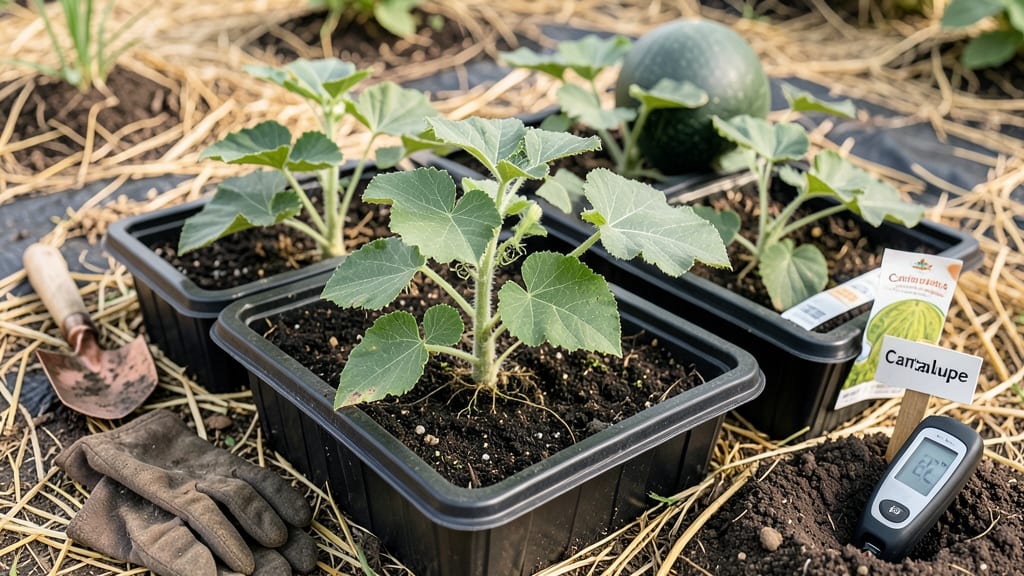
Planting cantaloupe in Arkansas at the wrong time can turn your garden dreams into a sad, wilted mess—especially when you're just days away from that sweet, ripe 🍈 harvest you’ve been dreaming of.
The key isn’t just waiting for the calendar to say "May"—it’s all about soil temperatures hitting that perfect 70°F mark for germination speed and strong root growth.
In Arkansas’ 7a-8a zones, that usually means mid-April to early May, but even then, cooler pockets or late frosts can throw off your timing.
What if I told you there’s a simple way to test your soil’s readiness and adjust your planting schedule?
You’ll learn how to use black plastic mulch, raised beds, and even a soil thermometer to give your cantaloupe seeds the warm start they need—so you’re not left with slow sprouts or stunted vines.
Let’s break down the exact steps to time your planting like a pro, from soil prep to avoiding common mistakes that Arkansas gardeners make every year. Your summer harvest depends on it!
Optimal Arkansas planting dates based on soil temperature triggers
Arkansas’ USDA Zones 7a-8a create ideal conditions for cantaloupe, but timing is everything. The last frost date typically falls around March 15, but that’s just the starting point. Your cantaloupe seeds need soil temperatures of 60°F+ to germinate and 70°F+ for optimal growth speed.
Planting too early risks seed rot or slow sprouting, while waiting too long may shorten your harvest window. Arkansas’ variable spring weather means you’ll need to monitor both air temperatures and soil warmth closely.
Most successful gardeners in the region plant between mid-April and early May, but this can shift 1-2 weeks earlier in southern Arkansas (Zone 8a) and 1-2 weeks later in northern areas (Zone 7a).
Here’s the critical timeline for Arkansas cantaloupe growers:
| Stage | Action | Arkansas Timeline |
|---|---|---|
| Soil Warm-Up | Test soil temperature (use a soil thermometer) | Late March - Early April |
| Germination | Plant seeds when soil reaches 60°F+ | Mid-April (Zone 7a) / Early April (Zone 8a) |
| Optimal Growth | Transplant seedlings when soil hits 70°F+ | Late April - Early May |
| Harvest Window | Expect fruit in 75-90 days | Late July - Early September |
🌱 Pro Tip: Use black plastic mulch 1-2 weeks before planting to warm soil faster
For northern Arkansas (Zone 7a), consider using row covers or planting in raised beds to extend your season. These methods can add 2-3 weeks of growing time by trapping heat.
In southern Arkansas (Zone 8a), you might even get away with planting as early as late March if you use protective covers.
One common mistake is relying solely on calendar dates rather than soil temperature. For example, I planted cantaloupe in early April one year, only to watch my seeds rot because the soil was still 55°F.
The next year, I waited until late April when the soil hit 65°F, and my plants sprouted within 5 days instead of the 2 weeks I’d experienced before.
Arkansas’ microclimates also play a role. Gardens near rivers or lakes may warm up 1-2 weeks earlier than those in inland areas. To account for this, I recommend testing soil temperature in your specific planting location for 3 consecutive days before committing to planting.
A $10 soil thermometer from your local garden center is worth every penny for Arkansas growers.
If you’re in a higher elevation area (like the Ozark Mountains), aim for early May planting to avoid late spring frosts. These areas often experience frost risks until May 10, so having row covers ready is essential.
For lowland regions, you can push planting back to mid-May to avoid the humid heat of June, which can stress young plants.
Remember that cantaloupe vines need 3-6 feet of space to spread, so plan your garden layout accordingly. In Arkansas’ clay-heavy soils, amending with compost or aged manure before planting will improve drainage and help roots establish faster. This pre-planting prep can shave 10-14 days off your time to harvest.
Finally, consider staggered planting for a continuous harvest. Plant half your seeds at your optimal date, then plant the remaining half 2 weeks later.
This technique ensures you’ll have fruit ready from late July through August, giving you a longer window to enjoy homegrown cantaloupe before Arkansas’ summer heat peaks.
Optimal Arkansas planting dates based on soil temperature triggers
In Arkansas’ USDA zones 7a-8a, cantaloupe seeds need soil temperatures of at least 60°F for germination and 70°F+ for optimal growth.
The average last frost date is March 15, but your exact planting window depends on your microclimate—northern Arkansas may need to wait until mid-April, while southern regions can start as early as late March.
Most Arkansas gardeners plant cantaloupe seeds directly in the garden between mid-April and early May. This timing ensures your plants have 120-150 frost-free days to mature, with harvests typically ready by July or August. If you’re in a cooler pocket, consider using row covers to extend your season.
🌱
📋 Arkansas Cantaloupe Planting Timeline
| Zone | Soil Temp Threshold | Planting Window | Harvest Window |
|---|---|---|---|
| 7a (North AR) | 70°F+ | Mid-April to early May | Late July to early Sept |
| 7b (Central AR) | 68°F+ | Late March to mid-April | Early July to Aug |
| 8a (South AR) | 65°F+ | Late March to early April | June to late Aug |
💡 Pro Tip: Use a soil thermometer to confirm temperatures before planting—cantaloupe seeds won’t germinate below 60°F.
For Arkansas gardeners, late-March plantings in southern zones can yield early harvests, but northern Arkansas should wait until after April 15 to avoid frost damage. If you’re unsure, opt for staggered plantings every 2 weeks—this spreads out your harvest and reduces risk.
One common mistake is relying solely on calendar dates instead of soil temperature. Cold soil can cause seeds to rot before sprouting, while warm soil ensures faster germination (5-7 days) and stronger vines.
Always check your soil’s readiness with a thermometer or by pressing your hand into the ground—if it feels cool to your touch, wait a few more days.
☀️