
Plants
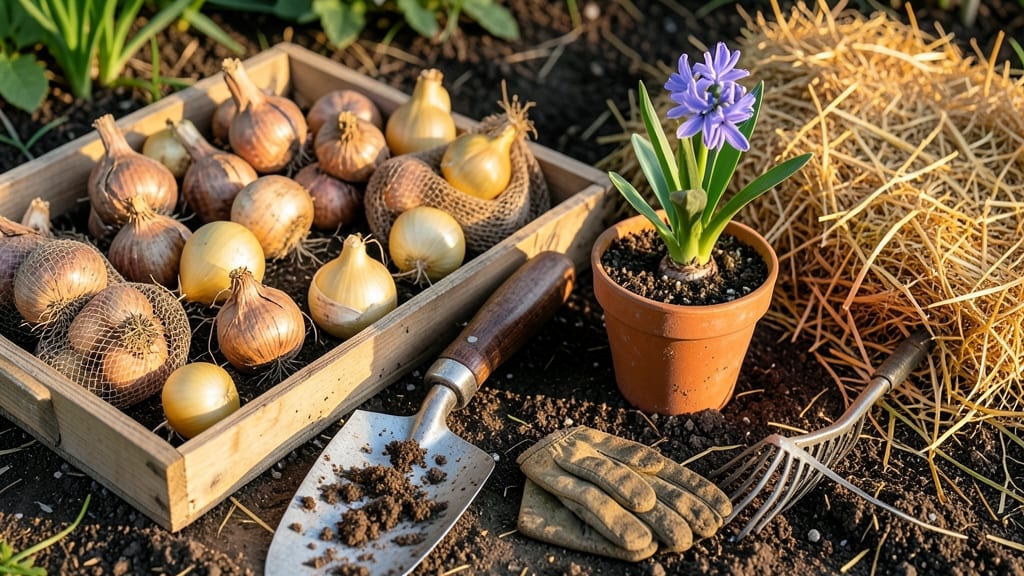
Timing your fall bulb planting perfectly can mean the difference between vibrant spring blooms and wasted effort.
In USDA Zone 6a, where first frost typically arrives by late October, you’ve got a narrow window—6 to 8 weeks before that chill sets in—to get your 🌱 bulbs in the ground just right.
But here’s the catch: planting too early or too late can leave your bulbs vulnerable to frost damage or poor root growth. The key is understanding when soil temperatures drop below 60°F, signaling it’s time to act.
Whether you’re planting tulips, daffodils, or hyacinths, this guide will help you pinpoint the exact window for your location.
You’ll also discover how to prep your soil for success, avoid common mistakes, and even adjust your timing based on bulb type. Let’s turn your fall planting into a springtime showstopper—without the guesswork.
Ready to learn the best months for your zone? I’ll walk you through everything you need to know to plant with confidence.
Fall bulb planting calendar by USDA Zone: exact months for maximum success
Planting bulbs in the fall is all about timing—specifically, giving them 6-8 weeks to establish roots before the ground freezes. The exact window depends on your USDA zone, but most gardeners aim to plant between mid-September and mid-November.
In colder zones (3-5), start earlier, while warmer zones (7-10) can wait until late fall. The key is soil temperatures dropping to 60°F—this triggers root growth without risking frost damage.
Why does this matter? Bulbs like tulips and daffodils need time to develop roots before winter dormancy. Plant too early, and they’ll sprout prematurely; too late, and frost will kill them. Your zone determines the critical frost date, so knowing it is non-negotiable.
For example, Zone 5 gardeners should plant by October 15, while Zone 8 can wait until December 1.
Here’s the visual guide to your perfect planting window, broken down by zone and bulb type:
| USDA Zone | Ideal Planting Window | Soil Temp Threshold | Bulb Examples |
|---|---|---|---|
| 3-4 | Early September to mid-October | 60–55°F | Tulips, Hyacinths, Crocus |
| 5-6 | Mid-September to November 1 | 60–50°F | Daffodils, Allium, Snowdrops |
| 7-8 | October to December 15 | 60–45°F | Lilies, Fritillaria, Muscari |
| 9-10 | November to January | 60–40°F | Crinum, Rain Lilies, Galanthus |
*Adjust 1–2 weeks earlier for high-altitude areas or late-frost zones.
For Zone 5-6 gardeners (like me!), I always mark my calendar for September 20–October 15—this gives tulips and daffodils enough time to root before winter. Pro tip: Use a soil thermometer to confirm temps are dropping below 60°F before planting.
If you’re in doubt, err on the earlier side; bulbs won’t sprout until spring, but roots will form safely underground.
Regional microclimates can shift your window by 2-4 weeks. For example, coastal areas in Zone 7 might plant until December 10, while inland spots could freeze earlier. Check your local cooperative extension service for frost date averages—this is your golden rule.
I once planted hyacinths in late November in my Zone 6 garden, and they barely survived. Lesson learned: Know your frost dates!
Bulb types also play a role. Early bloomers like crocus need planting by September 1 in cold zones, while late bloomers (e.g., daffodils) can wait until October 30. Always check the bulb’s days-to-maturity label—this tells you how long it needs to establish roots.
For instance, tulips typically need 60 days of root growth, while daffodils can handle 80 days.
Don’t forget to prep your soil before planting! Loosen the ground to 12 inches deep and mix in compost for drainage. Bulbs rot in soggy soil, so well-draining beds are a must.
I add a 1-inch layer of gravel at the bottom of holes for extra insurance—this prevents waterlogging, especially in clay-heavy soils. After planting, mulch with 2-3 inches of straw to insulate roots during winter.
If you miss the ideal window, you can still plant in early December—just use extra mulch to protect bulbs. However, planting after January 1 risks frost damage to emerging shoots.
For Zone 9-10, some gardeners even plant in winter (February-March) for spring blooms, but this is risky unless you’re in a mild microclimate.
Remember: The goal is root establishment, not flower growth. Bulbs will sit dormant until spring, so focus on getting them in the ground before frost. With the right timing, you’ll wake up to a sea of spring color—worth every minute of planning! 🌷
5 Critical factors that determine the perfect planting window (beyond just months)
When it comes to planting bulbs in the fall, monthly calendars give you a starting point—but real success depends on five critical factors most gardeners overlook. The first is soil temperature, which should hover between 50°F and 60°F for ideal root development.
Use a soil thermometer to check before planting; if temps drop below 50°F, wait a few weeks.
Next, your local frost dates dictate your deadline. In USDA Zone 6a, aim to plant 6-8 weeks before the first hard frost (typically late October). Check your almanac or local weather service for precise dates—this can vary by 1-2 weeks even within the same zone.
Don’t forget bulb type matters! Daffodils and hyacinths tolerate cooler soils and can go in earlier, while tulips prefer slightly warmer ground. Early bloomers like crocus need to be planted 4-6 weeks before other bulbs to establish roots faster.
Your microclimate plays a surprising role too. Bulbs planted in shady spots or near large trees may need an earlier start, as cooler soil lingers longer. Conversely, south-facing beds warm up faster, giving you a slightly later window.
Finally, soil preparation affects timing. Amending your soil with compost or bone meal (for phosphorus) 2-3 weeks before planting gives roots a head start. If your soil is clay-heavy or poorly draining, plant bulbs even earlier to avoid waterlogged conditions.