
Plants
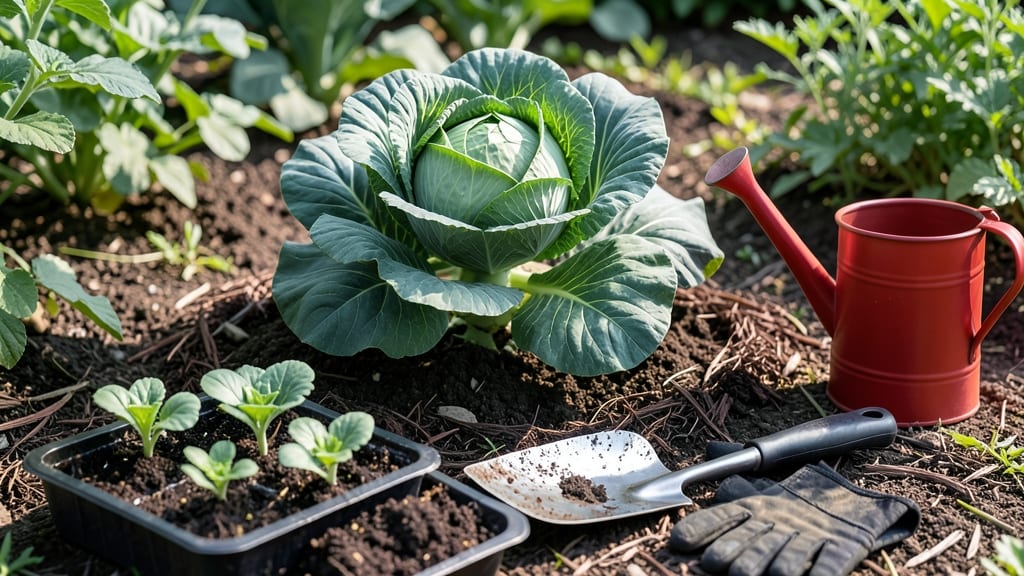
Knowing when to plant cabbage in Zone 9 is the secret to avoiding bitter, bolted heads and actually harvesting those crisp, flavorful 🥬 you’ve been dreaming of.
Unlike cooler climates, Zone 9’s year-round warmth means timing your cabbage just right—either in the mild fall or the early spring—isn’t optional, it’s essential.
Plant too early, and your cabbage will bolt before forming a head. Too late, and the heat will stunt growth, leaving you with puny, tasteless results. The good news?
With the right schedule—think September to October for fall crops or February to March for spring—you can outsmart the heat and enjoy fresh cabbage straight from your garden.
But it’s not just about the calendar. Soil temperature, shade, and even your choice of variety play a role in success.
I’ll walk you through the exact steps to time your planting, pick the best cabbage types for Zone 9, and keep your plants thriving until harvest—so you can finally enjoy that homegrown goodness without the guesswork.
Ready to grow cabbage that’s actually worth the effort? Let’s dive into the cool-season windows that’ll turn your Zone 9 garden into a cabbage powerhouse.
Optimal planting windows for cabbage in Zone 9 (avoiding heat stress)
In Zone 9, cabbage thrives in cool-season windows when temperatures stay between 60°F and 75°F. Planting at the wrong time leads to bolting (premature flowering) or stunted growth. Your best bets are fall/winter and late winter/early spring, with specific timing adjustments for your local microclimate.
For fall/winter crops, aim to plant cabbage seeds or transplants between late August and October. This gives plants time to mature before summer heat returns.
In coastal Zone 9 (like Southern California), you might push planting to early November for winter harvests, while inland areas should plant by mid-October to avoid heat stress.
For spring crops, start seeds indoors in January and transplant outdoors in February to early March. Direct sowing outdoors works too, but only if soil temps stay below 70°F. Use shade cloth if planting in March to protect young plants from warming trends.
- Soil temp: <65°F
- Harvest: Nov-Jan
- Risk: Heat stress if planted late
- Soil temp: <70°F
- Harvest: Apr-Jun
- Risk: Bolting if temps rise too fast
- Goal: Staggered harvests
- Method: Plant new seeds every 2-3 weeks
- Best for: Continuous supply
Zone 9’s microclimates play a huge role. Coastal areas (like San Diego) can plant 1-2 weeks later than inland spots (like Phoenix) due to cooler ocean breezes. Use a soil thermometer to confirm temps—ideal planting soil should be 55°F–65°F for seeds and 60°F–70°F for transplants.
To extend your growing season, use shade cloth (30-50%) during summer months. This keeps soil temps down and reduces bolting risk. For spring plantings, start with fast-maturing varieties (like ‘Golden Acre’) to harvest before summer heat peaks. Always harden off transplants for 7–10 days before outdoor planting.
Bolting is your biggest enemy in Zone 9. It’s triggered by heat stress, drought, or fluctuating temps. To prevent it, mulch heavily with straw or wood chips to keep roots cool, and water deeply in the morning to maintain even moisture.
Avoid fertilizing during peak summer—nitrogen spikes can encourage leafy growth over head formation.
Pro tip: Direct sowing in Zone 9 often works better than transplants because seedlings handle temperature swings more gracefully. If you must use transplants, choose smaller, slower-growing varieties (like ‘Cavalo’) that tolerate heat slightly better. Always space plants 18–24 inches apart for airflow and disease prevention.
Remember, Zone 9’s frost-free growing season means you can grow cabbage year-round with the right timing. By mastering these two key windows, you’ll enjoy crisp, homegrown cabbage from fall through spring—no bolting in sight! 🥬
Optimal planting windows for cabbage in Zone 9 (avoiding heat stress)
Zone 9’s warm climate means cabbage thrives in two distinct windows: fall/winter and late winter/early spring. Planting outside these times risks bolting (premature flowering) or stunted growth. The key is targeting soil temperatures between 60-75°F—cool enough to prevent stress but warm enough for germination.
For fall crops, aim for late August to early October. This gives plants 60-70 days to mature before summer heat returns. In coastal Zone 9 (like San Diego), you can extend this slightly later due to milder microclimates.
Use shade cloth if planting in September to protect seedlings from afternoon sun.
For spring crops, plant February to early March. By this time, daytime highs are dropping below 80°F, reducing bolting risk. Choose fast-maturing varieties (50-60 days) for spring to avoid summer heat entirely. Succession planting every 2-3 weeks ensures a continuous harvest.
| Planting Window | Ideal Soil Temp | Bolting Risk | Harvest Time |
|---|---|---|---|
| Late August - Early October | 60-75°F | Low (cool nights) | November - December |
| February - Early March | 65-70°F | Moderate (spring heat) | May - June |
Avoid planting in summer (April-July) unless you’re using extensive shade cloth (70%+ coverage). Even then, growth will be slow, and heads may develop bitter flavors or loose textures. If you must plant in summer, opt for fast-maturing varieties like ‘Early Jersey Wakefield’ (50 days) and provide daily afternoon shade.
Soil prep is critical in Zone 9. Amend beds with 2-3 inches of compost and mulch heavily (straw or wood chips) to retain moisture. Cabbage hates dry soil—consistent moisture prevents bolting. Test your soil’s pH (6.5-7.0) and add lime if needed, as Zone 9 soils often lean acidic.
Pro tip: Use black plastic mulch in spring to warm soil faster, then switch to straw mulch once seedlings emerge. This balance helps speed up germination in cooler February plantings while keeping roots cool.
Pair cabbage with dill or onions to deter pests and improve flavor—companion planting is a game-changer in Zone 9’s pest-heavy summers.