
Plants
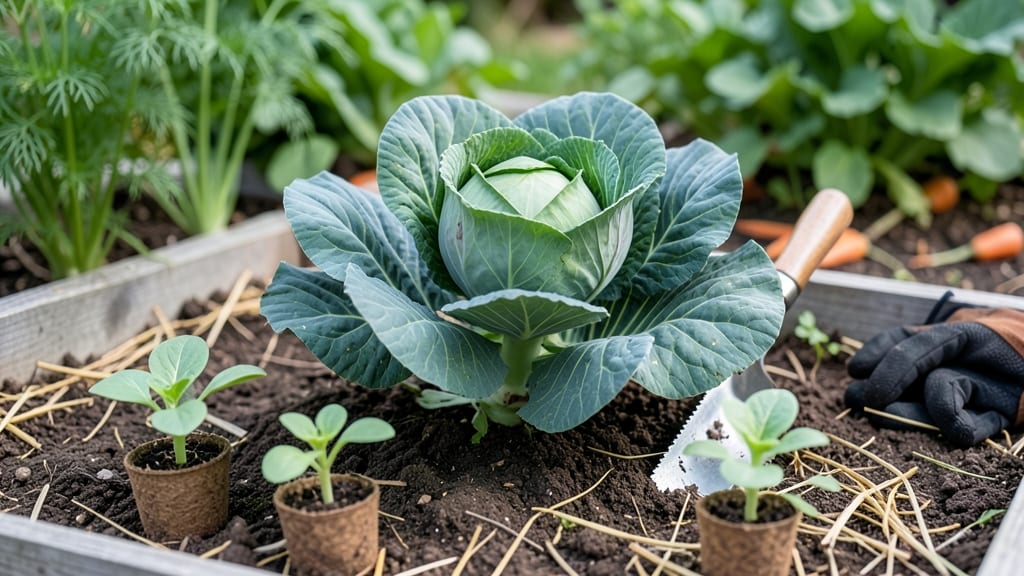
Planting cabbage 🥬 in Zone 8b might seem tricky because one wrong move can turn your crisp heads into bitter, bolted disappointment. The key? Timing your transplants to avoid heat stress—whether you're aiming for a spring or fall harvest.
In this mild-winter zone, you've got two prime windows: early spring (February-March) or late summer (August-September). Get it wrong, and your cabbage will bolt before you can enjoy those sweet, dense heads. I'll show you exactly when to put those seedlings in the ground to maximize your harvest.
We'll cover how to calculate your last safe planting date before summer heat triggers bolting, plus smart adjustments for early vs. late varieties. Whether you're a first-time gardener or a seasoned grower, these tips will help you avoid common mistakes that waste your effort.
Ready to grow cabbage that stays sweet and compact? Let's dive into the perfect transplant schedule for Zone 8b's unique climate—where getting the timing right means the difference between a bumper crop and a bitter disappointment.
Optimal cabbage transplant timing in Zone 8b to avoid bolting
In Zone 8b, where summers can be scorching and winters mild, timing your cabbage transplants is critical to prevent bolting—the process where your plant prematurely flowers and turns bitter.
The key is planting when soil temperatures stay below 75°F and nights remain cool. For most varieties, this means two main windows: early spring and late summer.
Spring is your first chance to plant cabbage in Zone 8b. Aim for February to early March, giving your plants enough time to mature before summer heat sets in.
If you miss this window, don’t worry—late summer (around August to early September) offers a second opportunity for a fall harvest. The goal is to have your cabbage heads fully formed 8-10 weeks before the first frost, which in Zone 8b typically arrives around mid-November.
🥬 Cabbage Planting Timeline for Zone 8b
| Season | Planting Window | Soil Temp Threshold | Days to Harvest |
|---|---|---|---|
| Spring | February–Early March | Below 75°F | 70–90 days |
| Fall | August–Early September | Below 80°F | 60–80 days |
*Adjust for heat-tolerant varieties like 'Cavalo' or 'Golden Acre' if extending into late summer.
To calculate your exact planting dates, start by determining your last frost date. In Zone 8b, this is usually around March 15. For a spring crop, plant transplants 4-6 weeks before this date.
For fall, count back 8-10 weeks from your first frost date (typically November 15 in Zone 8b). This ensures your cabbage matures before cold snaps or summer heat disrupts growth.
If you’re growing heat-tolerant varieties, you can push your fall planting slightly later—even into early October—but monitor soil temperatures closely. Use a soil thermometer to confirm temperatures stay below 80°F during the day. If heat persists, consider shade cloth or mulching to keep roots cool.
One common mistake in Zone 8b is planting too early in spring, when soil temperatures can still fluctuate. If your soil warms above 75°F before harvest, your cabbage will bolt.
To avoid this, start seeds indoors 6-8 weeks before transplanting and use row covers to protect young plants from heat stress. This gives you more control over the timing and reduces the risk of bolting.
For a continuous harvest, stagger your plantings every 2-3 weeks during both spring and fall windows. This way, you’ll always have fresh cabbage ready to pick, whether you’re making sauerkraut, stir-fries, or coleslaw. Just remember: cool nights and mild days are your best friends when growing cabbage in Zone 8b.
Pro tip: If you’re new to growing cabbage, start with short-season varieties like 'Early Jersey Wakefield' or 'Golden Ball'. These mature faster and are less likely to bolt in Zone 8b’s unpredictable climate. Pair them with companion plants like dill or onions to deter pests and improve flavor.
Finally, always harden off your transplants before moving them outdoors. Acclimate them to Zone 8b’s fluctuating temperatures over 7-10 days by gradually exposing them to outdoor conditions. This reduces transplant shock and sets your cabbage up for success from day one.
Optimal cabbage transplant timing in Zone 8b to avoid bolting
In Zone 8b, cabbage 🥬 thrives when planted during cooler months—either early spring or late summer. The key is avoiding heat stress that triggers bolting, where your plants focus on flowering instead of forming heads.
For spring harvests, aim to transplant 4-6 weeks before your last frost (around February-March in most Zone 8b areas).
For fall harvests, plant 8-10 weeks before your first frost (typically August-September). This timing ensures your cabbage matures before summer heat sets in. Miss these windows, and you risk bitter, seed-stalked disappointment instead of sweet, dense heads.
Here’s a quick reference for your Zone 8b schedule:
| Season | Planting Window | Temperature Threshold | Harvest Time |
|---|---|---|---|
| Spring | February-March | Soil temp 50-55°F | April-June |
| Fall | August-September | Daytime temps below 75°F | October-November |
To calculate your exact dates, check your local last frost date (typically March 15 in Zone 8b) and work backward. For example, if your last frost is March 20, plant 4-6 weeks earlier (around February 10-15). Use this same logic for fall planting.
For heat-sensitive varieties, like 'Golden Acre' or 'Red Express', stick to these windows. If you’re growing heat-tolerant varieties (like 'Cavalo'), you can push fall planting slightly later—up to early October—but monitor temps closely.
Pro tip: Use shade cloth (30-50%) if planting in late spring or early fall to protect seedlings from sudden heat spikes. This simple step can extend your growing season by 2-3 weeks without risking bolting.
Remember, cabbage needs consistent moisture and cool nights to form tight heads. If daytime temps creep above 80°F, your plants will bolt faster than you can say "bitter salad." Stay vigilant, and you’ll enjoy a harvest of sweet, crisp cabbage heads all season long! 🌱