
Plants
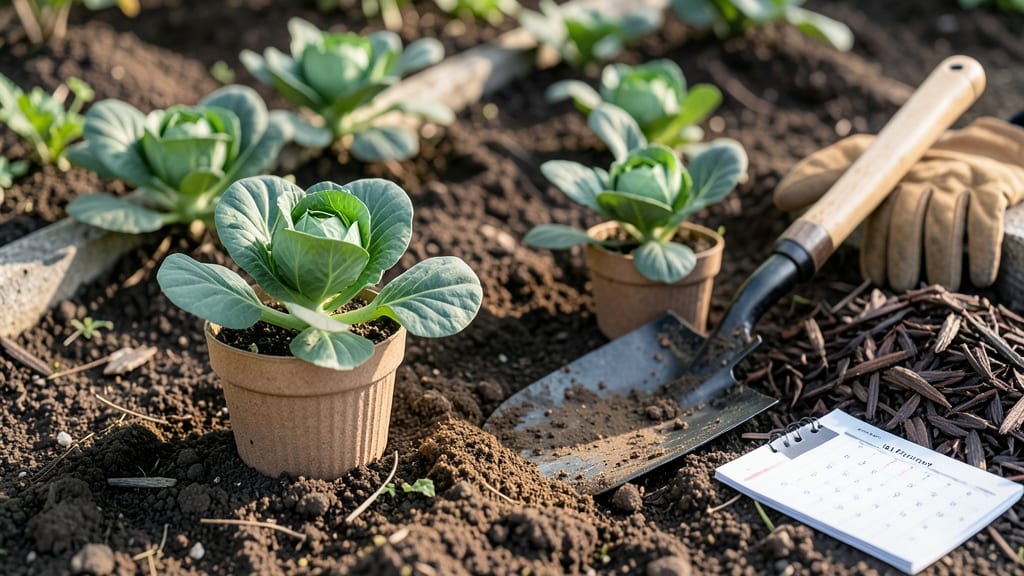
Timing your 🥬 cabbage planting in Zone 8a isn’t just about throwing seeds in the dirt—it’s the difference between a bumper crop and a bitter disappointment. Plant too early, and you risk bolting heads or pest infestations; too late, and your cabbage might never mature before summer’s heat sets in.
If you’ve ever watched your cabbage bolt into flower or wilt under the sun, you know how frustrating it can be. The key is planting at the right moment—fall offers the safest bet for Zone 8a, while spring planting requires extra caution to avoid heat stress.
Let’s break down the exact windows that’ll give you crisp, flavorful heads all season long.
Most gardeners in Zone 8a swear by late summer starts (August–early September) for fall harvests, but there’s a science to it. Soil temps, frost dates, and even day length play a role—so we’ll cover how to time it perfectly for both fall and spring crops.
Ready to stop guessing and start growing?
You’ll also discover how to extend your harvest with succession planting, the best soil prep for 🥬 cabbage, and when to fertilize for maximum growth. No more wasted seeds or sad, stunted plants—just a steady supply of homegrown goodness.
Zone 8a cabbage planting calendar: fall vs. spring timing explained
Cabbage in Zone 8a loves cool weather, but timing is everything to avoid bolting (flowering too early) or stunted growth. The USDA Zone 8a average last frost is February 15, and first frost arrives around November 15. These dates create two key planting windows: spring and fall. Let’s break down the best times and why they matter.
For spring cabbage, plant in February or early March—about 4-6 weeks before your last frost date. This gives plants time to mature before summer heat arrives.
However, spring planting in Zone 8a is riskier because temperatures often climb too fast. If planted too late, cabbage may bolt before forming heads.
Your fall planting window is far more forgiving. Start seeds or transplants in late summer (August) to harvest before winter. Aim for a 10-12 week harvest window before the first frost. For example, if your frost hits November 15, plant by early September to ensure a harvest by mid-November.
Here’s the key difference: Spring cabbage races against heat, while fall cabbage races against frost. Fall planting is ideal for Zone 8a because cooler temps slow growth, preventing bolting and producing sweeter heads.
| Planting Window | Best Months | Harvest Window | Key Risks |
|---|---|---|---|
| Spring Planting | February–Early March | April–June | Bolting from heat, pests |
| Fall Planting | Late August–Early September | October–December | Frost damage, slow growth |
If you’re growing spring cabbage, choose early-maturing varieties like ‘Golden Acre’ or ‘Early Jersey Wakefield’ (ready in 60-70 days). For fall cabbage, opt for cold-hardy types like ‘January King’ or ‘Red Express’ (ready in 75-90 days). These varieties handle Zone 8a’s mild winters better.
Pro tip: Direct sow seeds for spring cabbage in February to avoid transplant shock. For fall, start seeds indoors in July or buy transplants in August. This ensures strong starts before cooler weather sets in.
Watch your soil temperature—cabbage thrives in 45-85°F soil. Use a soil thermometer to check before planting. If temps rise above 80°F, your cabbage may bolt prematurely, ruining your harvest.
In Zone 8a, fall planting is your safest bet for consistent harvests. But with the right variety and timing, spring cabbage can still succeed—just be ready to act fast if temperatures climb unexpectedly.
Next, we’ll cover the 5 critical factors that determine your cabbage’s success, from frost dates to day-length sensitivity. Don’t miss it!
Zone 8a cabbage planting calendar: fall vs. spring timing explained
In Zone 8a, your 🥬 cabbage planting success hinges on two critical windows: late summer for fall harvests and early spring for spring crops.
Fall planting is far more reliable because cabbage bolts (goes to seed) when temperatures exceed 80°F, and summer heat in Zone 8a can push soil temps past that threshold.
The key is starting seeds or transplants 8–10 weeks before your first frost (typically mid-September to early October for Zone 8a).
For spring planting, the window is narrower—February to early March—because once daytime temps climb above 75°F, your cabbage will struggle.
Many gardeners in Zone 8a skip spring planting entirely and focus on fall, but if you’re determined, choose fast-maturing varieties (like 'Golden Acre') and plant early to beat the heat.
🌱 Pro Tip: Use a planting calendar aligned with your last frost date (Zone 8a averages November 15). For fall, aim for August 15–September 15 starts to ensure harvests before winter sets in. Spring plantings must be in by March 1 to avoid summer stress.
📅 Zone 8a Cabbage Planting Timeline
| Season | Planting Window | Harvest Window | Key Consideration |
|---|---|---|---|
| Fall | August 15–September 15 | October–December | Avoid bolting with cool soil temps |
| Spring | February 1–March 1 | April–May | Use shade cloth if temps rise |
*Timing based on Zone 8a's average last frost (Nov 15) and first frost (Feb 15).
Spring planting in Zone 8a is riskier because the window is short, and summer heat arrives quickly. If you plant in late February or early March, your cabbage may mature just as temps climb, leading to bitter, loose heads.
To mitigate this, opt for bolt-resistant varieties like 'Early Jersey Wakefield' or 'Golden Ball', which mature in 55–65 days.
For fall, the real secret is succession planting. Start your first batch in mid-August for early fall harvests, then follow with late August and early September plantings to stagger your crop.
This ensures you’re harvesting through October and November, avoiding the rush before frost. Use row covers in late fall to protect tender heads from light frosts (28–32°F).
Remember, soil temperature matters just as much as air temperature. Cabbage thrives in soil between 45–85°F—cooler than most gardeners realize. If your soil is too warm (above 80°F), your seeds may rot or bolt prematurely. Test your soil with a thermometer before planting to avoid costly mistakes.