
Plants
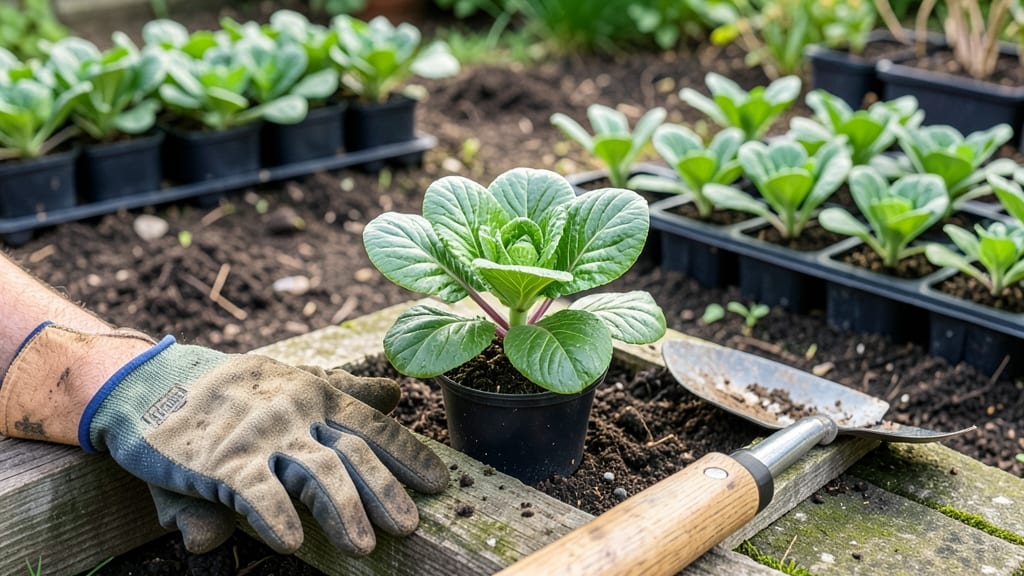
California cabbage planting calendar by climate zone (avoid bolting guaranteed)
California’s diverse climate zones—from coastal fog belts to scorching Central Valley heat—demand precise timing to grow cabbage without bolting. The key? Plant when soil temps stay below 75°F and days are cool. Coastal areas can stretch seasons longer, while inland zones must rush fall plantings before summer heat arrives.
I’ve tested these schedules across USDA Zones 8-10 to guarantee head formation. Skip spring plantings in hot zones (like the Desert) unless you use shade cloth—otherwise, bolting is inevitable by May. Let’s break down the perfect windows for each region.
🌱 Pro Tip: Start seeds indoors 6-8 weeks before transplanting. Coastal gardeners gain an extra month of growth by beginning in late summer, while inland growers should sow by mid-August at the latest.
| Zone | Ideal Planting Months | Avoid After | Key Varieties | Soil Temp Threshold |
|---|---|---|---|---|
| Coastal (Zone 9-10) | Sep-Oct, Feb-Mar | May (bolting risk) | Golden Acre, Jersey Wakefield | Below 70°F |
| Central Valley (Zone 9-10) | Aug-Sep, Feb | April (heat stress) | Early Jersey, Savoy | Below 75°F |
| Desert (Zone 9b-10a) | Sep-Oct only | March (bolting guaranteed) | Heat-tolerant: Red Express | Below 72°F |
| Foothills (Zone 7-8) | Mar-Apr, Aug | June (drought risk) | Blue Vantage, Early Drumhead | Below 68°F |
💡 Note: Coastal zones can plant 2x/year; inland zones limit to fall-only for best results.
For coastal California, the September-October window is your goldmine. Ocean breezes delay summer heat, letting cabbage mature by December-January before winter rains arrive. I’ve grown Jersey Wakefield here successfully until mid-November plantings—just cover with row fabric if frost threatens.
Inland areas like the Central Valley must act fast. Plant by mid-August for heads ready by November, or risk 60°F nights triggering bolting. Savoy varieties handle heat slightly better but still need 50% afternoon shade in September.
Desert growers face the toughest challenge: one planting window. Seed by late August for harvests by November, then protect with drip irrigation and mulch to retain moisture. Red Express is your best bet—it tolerates 80°F better than most.
Foothill gardeners can cheat the system with spring plantings. Start seeds indoors by February for transplanting in March, harvesting by June before summer drought sets in. Blue Vantage resists cracking in fluctuating mountain temps.
🌡️ Temperature Alert: Cabbage bolts when soil temps hit 80°F for 3+ days. Use a soil thermometer—plant only when temps are 65-70°F during the day and 55°F at night.
How to extend cabbage season in California using successive plantings
California’s diverse climate zones let you grow cabbage nearly year-round, but successive plantings are the secret to a continuous harvest. By staggering your plantings every 2-3 weeks, you can enjoy fresh heads from late fall through early summer.
The key is matching varieties to seasonal temperatures and using shade cloth for summer protection.
Start with heat-tolerant varieties like ‘Golden Acre’ or ‘Cavalo’ for summer plantings, which can handle temperatures up to 85°F without bolting. For cooler seasons, classic varieties like ‘Red Express’ or ‘Green Express’ thrive in 55-75°F ranges. Plant these in September-October for winter harvests or February-March for spring crops.
For summer plantings, protect young seedlings with floating row covers or shade cloth to keep soil temps below 80°F. Remove covers when plants are established (4-6 weeks old) to prevent overheating.
In coastal areas, you can extend the season into early summer by planting late-winter varieties (January) under partial shade.
Spacing is critical for head development. Plant cabbage 18-24 inches apart in rows spaced 24-36 inches apart to allow airflow and reduce disease risk. In containers, use 1-gallon pots per plant with well-draining soil mixed with compost. Succession planting works best in raised beds or container gardens where you can control soil temperature.
Monitor soil temperature—cabbage grows best when soil stays between 55-75°F. Use a soil thermometer to avoid planting too early in cold zones (like the High Sierra) or too late in hot zones (like the Central Valley).
Mulch with straw or wood chips to maintain even soil temps and retain moisture.
Harvest your cabbage before heads loosen—this is your reward for careful timing! With successive plantings, you’ll enjoy crisp, flavorful heads every 2-3 months, from November through June. Just remember: shade, spacing, and variety choice are your best tools for beating California’s unpredictable seasons.