
Plants
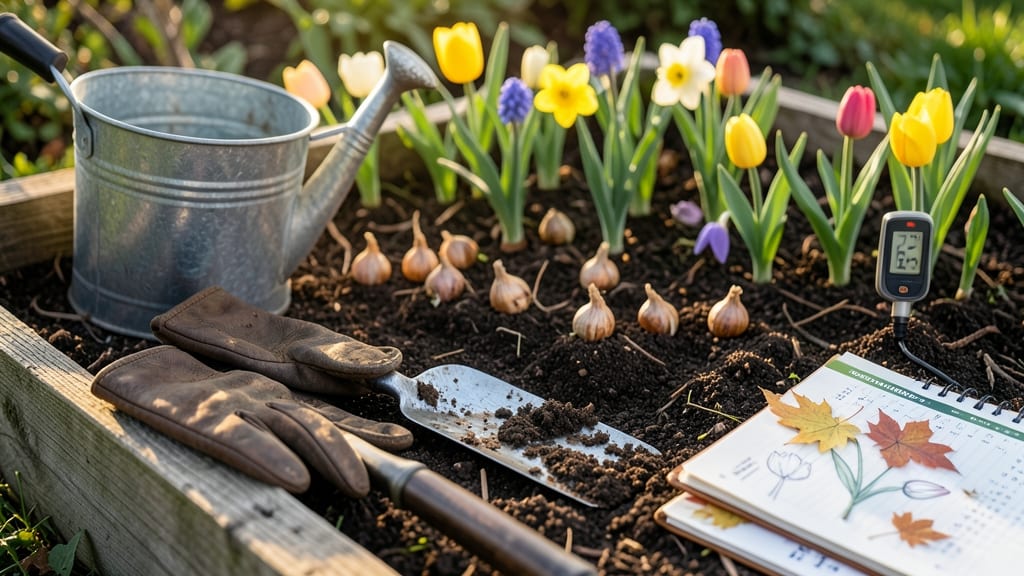
Knowing when to plant bulbs in Zone 8 can mean the difference between a showstopping spring display and a season of disappointment.
With just 210 frost-free days, timing matters more than you’d think—plant too early, and you risk heat stress; too late, and your 🌷 might not bloom at all.
Zone 8’s mild winters and long summers give you two perfect windows: fall (October–November) for spring bloomers like tulips and daffodils, or early spring (February–March) for late-season varieties. But here’s the catch—soil temps and local microclimates (think Southern California vs. Texas Hill Country) can shift those deadlines by weeks.
I’ll break down the exact months to plant, plus pro tips to avoid common mistakes like planting too shallow or ignoring soil prep. Whether you’re a first-timer or a seasoned gardener, these insights will help you grow bulbs that thrive year after year.
Ready to transform your garden? Let’s dive into the month-by-month calendar that guarantees zero-frost success—and blooms that steal the show.
Zone 8 bulb planting calendar: best months for spring and fall blooms
Zone 8’s mild winters and long growing season give you a perfect window for planting bulbs, but timing matters. Plant too early, and bulbs may rot in warm soil; too late, and they won’t establish roots before winter.
The key is 6-8 weeks before the first frost, which in Zone 8 typically lands in October-November for fall planting and February-March for spring varieties.
Most bulbs need cool soil (60°F or below) to trigger root growth, but Zone 8’s extended warmth means you can push boundaries slightly. For example, daffodils and tulips thrive when planted in late October or early November, while crocus and hyacinths can handle slightly later plantings in November.
Here’s your Zone 8 bulb planting calendar with exact months, soil temps, and moisture tips to ensure vibrant blooms next season.
| Bulb Type | Best Planting Month | Soil Temp | Depth | Spacing |
|---|---|---|---|---|
| Daffodils | October–November | 50–60°F | 6–8 inches | 3–6 inches apart |
| Tulips | October–November | 50–60°F | 6–8 inches | 4–6 inches apart |
| Hyacinths | October–November | 50–60°F | 6 inches | 4–6 inches apart |
| Crocus | November–December | 40–50°F | 3–4 inches | 2–3 inches apart |
| Alliums | October–November | 50–60°F | 6–8 inches | 6–8 inches apart |
| Spring-Planted Bulbs (e.g., Caladium, Canna) | February–March | 60–70°F | 2–4 inches | 3–6 inches apart |
For fall-planted bulbs, aim to finish planting by mid-November to give roots time to establish before winter. In Southern California or Arizona, where winters are milder, you can plant up to December, but avoid planting when soil temps exceed 60°F.
If you miss the fall window, don’t worry—spring-planted bulbs like caladiums and cannas thrive when planted in February-March. These tropical varieties love Zone 8’s warmth and will reward you with summer blooms.
After planting, water deeply to settle soil and encourage root growth. In Zone 8, mulch with 2–3 inches of straw or shredded leaves to protect bulbs from temperature swings and retain moisture during dry spells.
Pro tip: Use a soil thermometer to check temps before planting. Bulbs like daffodils and tulips need soil below 60°F, while crocus can handle cooler 40–50°F soil.
With the right timing, your Zone 8 garden will burst into color—daffodils in March, tulips in April, and summer cannas by June. Happy planting! 🌷
Zone 8 bulb planting calendar: best months for spring and fall blooms
Zone 8’s mild winters and extended growing season make it ideal for bulbs—but timing is critical. Plant too early, and bulbs may rot in warm soil.
Too late, and they won’t establish roots before dormancy. My Zone 8 planting calendar aligns with local frost dates and soil temperatures for foolproof blooms.
Most bulbs thrive when planted in fall (October–November) or early spring (February–March). Fall-planted bulbs (like daffodils and tulips) need 6–8 weeks to root before the ground freezes, while spring-planted varieties (e.g., summer-blooming lilies) avoid winter stress. Let’s break it down month by month.
| Month | Best Bulbs to Plant | Soil Temp | Care Tip |
|---|---|---|---|
| September | Crocus, Hyacinths | 60–70°F | Plant early for root growth before heat |
| October | Tulips, Daffodils, Alliums | 50–60°F | Aim for 6–8 weeks before frost |
| November | Narcissus, Snowdrops | 40–50°F | Add mulch (3–4 inches) to insulate |
| February | Summer-Blooming Dahlias, Lilies | 55–65°F | Soak bulbs 24 hours before planting |
| March | Calla Lilies, Rain Lilies | 60–70°F | Water deeply after planting |
For Zone 8’s southern regions (e.g., Southern California), plant 2–4 weeks later to avoid heat stress. In northern Zone 8 (e.g., Texas Hill Country), stick to the earlier window to ensure root establishment before January frosts.
Pro tip: Test soil moisture before planting. Bulbs rot in soggy soil, so amend with compost or perlite if your garden drains poorly. Aim for 6–8 inches deep and 3–6 inches apart for most varieties.
After planting, mulch with straw or shredded leaves to retain moisture and regulate soil temps. In spring, remove mulch once shoots appear to prevent fungal issues.
Zone 8’s long bloom season means you can enjoy spring tulips in March and summer dahlias in August—but only if you plant at the right time. Mark your calendar now!