
Plants
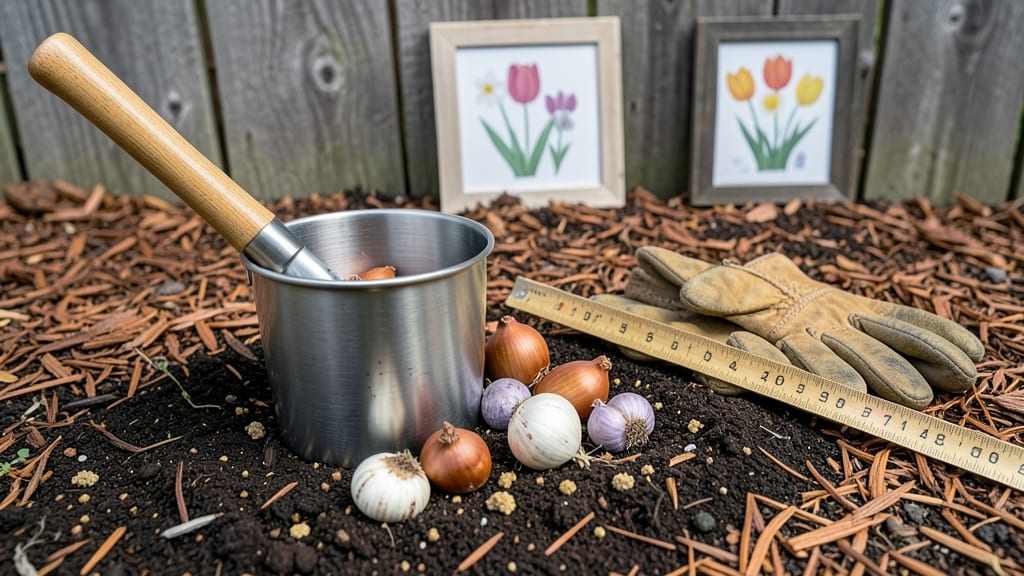
Timing your bulbs (General) 🌱 planting in Zone 6a isn't just about the calendar—it's about beating the frost. Plant too early, and your bulbs might rot; too late, and they won't establish roots before winter hits.
The sweet spot? September through November for spring bloomers, or early spring if you missed the fall window.
Why does this matter? Because Zone 6a's unpredictable winters can turn a beautiful garden into a sad, frozen mess if you're not careful. I've seen firsthand how a few weeks can mean the difference between a vibrant spring display and wasted effort.
Let me show you exactly when to plant for zero frost risk and how to adjust for your specific microclimate.
You'll learn the ideal soil temperatures, how to prep your garden bed, and when to plant specific types of bulbs. Whether you're a beginner or a seasoned gardener, these tips will help you avoid common mistakes and get the most out of your bulbs (General) 🌱 this year.
From soil preparation to post-planting care, I'll walk you through every step to ensure your bulbs thrive. Ready to transform your garden with stunning spring blooms? Let's dive in and get those bulbs in the ground at the perfect time.
Best months to plant bulbs in Zone 6A for zero frost risk
Zone 6A gardeners know timing is everything when it comes to planting bulbs. The ideal window for planting spring-flowering bulbs like tulips and daffodils is September through November, giving them time to root before the ground freezes.
This ensures vibrant blooms next spring without frost damage. For summer-blooming bulbs like dahlias, aim for late spring (April to May) once soil temperatures rise above 50°F.
In Zone 6A, the average first frost typically arrives around October 15, so planting 6-8 weeks before frost is critical. This means starting as early as late August for early bloomers or waiting until mid-October for hardier varieties.
The key is to plant when soil temperatures drop to 60°F or below—a sign roots will establish before winter.
Here’s how to align your planting with Zone 6A’s climate:
| Bulb Type | Best Planting Months | Soil Temp Threshold | Frost Risk |
|---|---|---|---|
| Tulips, Daffodils, Hyacinths | September–October | Below 60°F | Low (6-8 weeks before frost) |
| Crocuses, Snowdrops | October–November | Below 50°F | Very Low (hardy to frost) |
| Dahlias, Gladiolus | April–May | Above 50°F | None (spring planting) |
| Alliums, Fritillaries | September–October | Below 60°F | Low (tolerates light frost) |
The earlier you plant (within the window), the more time bulbs have to establish roots. For example, tulips planted in late September often bloom earlier and more vigorously than those planted in November.
However, avoid planting too early—soil that’s still warm can cause bulbs to sprout prematurely and get damaged by late frosts.
In Zone 6A, soil preparation is just as critical as timing. Amend your soil with compost or aged manure to improve drainage, as bulbs rot in soggy conditions.
Aim for a depth of 6–8 inches of loose, well-draining soil. A quick soil test for pH between 6.0 and 7.0 ensures optimal nutrient uptake for root development.
For container planting, use well-draining potting mix and plant bulbs at the same depth as they’d be in the ground. Containers warm up faster in spring, so you can plant 2–3 weeks earlier than in-ground bulbs.
Just ensure pots have drainage holes to prevent waterlogging during Zone 6A’s unpredictable fall rains.
Pro tip: Mark your planting spots with biodegradable flags to avoid disturbing bulbs in spring. In Zone 6A, where snow cover varies, mulching with 2–3 inches of straw or leaves after planting insulates bulbs and regulates soil temperature. Remove mulch in early spring to allow shoots to emerge without delay.
If you miss the fall window, don’t panic! Some bulbs like tulips and daffodils can tolerate early spring planting (March–April), though they may bloom later. Just be prepared to protect them from late frosts with row covers or cloches if temperatures dip below 20°F.
Remember, Zone 6A’s climate can vary by microclimates—urban areas may stay warmer longer, while rural spots freeze earlier. Always check your local frost dates and adjust planting by 1–2 weeks if needed. With the right timing, your bulbs will reward you with months of color and minimal effort.
Best months to plant bulbs in Zone 6A for zero frost risk
Zone 6A gardeners know that timing is everything when it comes to planting spring-flowering bulbs. The key is to plant them 6-8 weeks before the ground freezes, which typically lands between mid-September and mid-November.
This window ensures bulbs establish roots before winter sets in, giving you vibrant blooms next spring.
For fall-planted bulbs like tulips and daffodils, aim for September to October—this is when soil temperatures drop to the ideal 50-60°F range. If you miss this window, you can still plant in early spring (March-April), though blooms may be delayed or less robust.
Understanding your last frost date is critical. In Zone 6A, the average first frost hits around October 15, so plant bulbs at least 6 weeks before to avoid frost damage. Use this timeline as your guide to avoid common mistakes.
🌱 Bulb Planting Timeline for Zone 6A
| Bulb Type | Planting Window | Soil Temp | Depth | Spacing |
|---|---|---|---|---|
| Tulips | Sep-Oct | 50-60°F | 6-8" | 4-6" |
| Daffodils | Oct-Nov | 45-55°F | 6-8" | 5-7" |
| Hyacinths | Sep-Oct | 50-60°F | 6" | 4-5" |
| Crocuses | Sep-Oct | 40-50°F | 3-4" | 2-3" |
| Alliums | Sep-Oct | 50-60°F | 6-8" | 6-8" |
Plant bulbs at the correct depth and spacing for optimal growth and bloom.
If you're planting summer-blooming bulbs like dahlias or gladiolas, wait until the soil warms to at least 60°F, typically in late April or May. These bulbs need consistent warmth to thrive, so avoid planting them too early when frost is still a risk.
Pro tip: Use a soil thermometer to check temperatures before planting. If the ground is still too warm (above 60°F), wait a few weeks. This small step can make all the difference in bulb survival and bloom quality.
Finally, always plant bulbs in well-draining soil and avoid overwatering. A little preparation now means stunning blooms next spring—no frost risk required! 🌷