
Plants
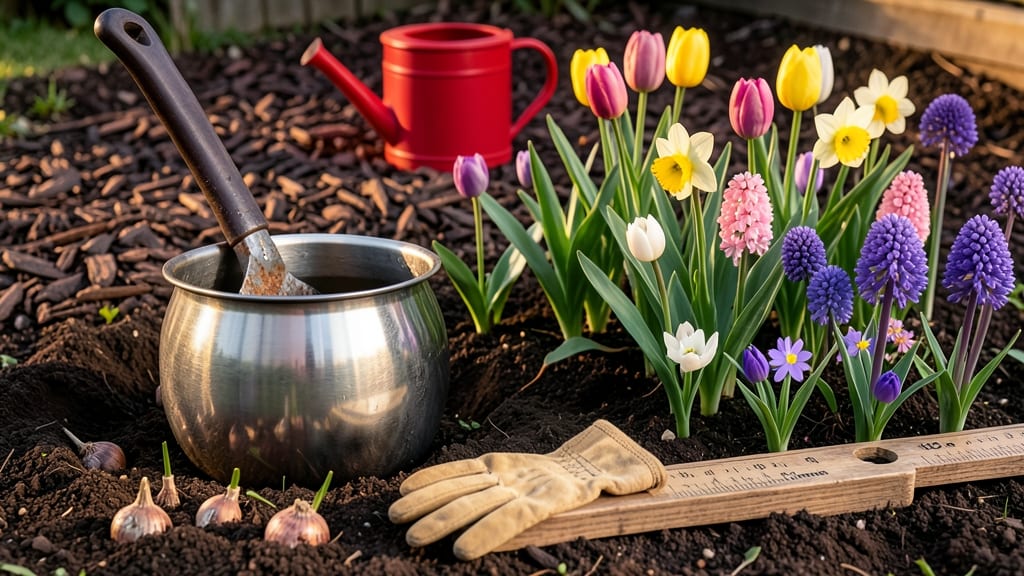
Timing your spring bulb planting perfectly can make the difference between a garden bursting with 🌷 Spring-Blooming Bulbs and a season of disappointment. In USDA Zone 6a, where frost still lingers into April, getting the timing right means the difference between vibrant blooms and wasted effort.
Most gardeners assume spring planting is as simple as sticking bulbs in the ground after the last frost—but that’s not always the case. The key is understanding chill-hour requirements and soil conditions, which vary by bulb type.
Tulips and daffodils, for example, need 12-16 weeks of cold exposure to bloom properly, while hardier varieties like crocus can handle cooler soils.
If you’ve ever planted bulbs in early March only to watch them rot in cold, soggy soil, you’re not alone. I’ll walk you through the exact window for planting—when your soil is warm enough (50-60°F) and frost-free—plus how to prep your garden for zero-frost success.
Ready to transform your garden into a springtime showstopper? Let’s dive into the chill-hour checklist and soil secrets that will have your bulbs thriving by April.
Spring bulb planting timeline by US hardiness Zone and chill-hours
Planting spring bulbs at the right time ensures vibrant blooms and healthy growth. The key is understanding your USDA hardiness zone and the chill-hour requirements of your bulbs. Most spring-blooming bulbs, like tulips and daffodils, need 12-16 weeks of cold temperatures (below 40°F) to bloom properly.
If you plant too early, they may rot in cold, wet soil, while planting too late risks frost damage to emerging shoots.
For example, in Zone 3-5, where winters are harsh, bulbs should ideally be planted in fall (4-6 weeks before first frost). However, if you missed that window, early spring planting is still possible—just choose frost-resistant varieties like crocus or snowdrops.
In warmer zones (Zone 7-10), spring planting is often the only option, but bulbs may need extra care to survive mild winters.
To determine your local frost-free date, check the USDA Plant Hardiness Zone Map and add 4-6 weeks for fall planting or subtract 2-4 weeks from your last frost date for spring.
For instance, if your last frost is April 15, aim to plant bulbs by March 1-15 in most regions. Always verify with your local cooperative extension service for precise data.
Here’s how chill-hours work: Tulips need 12-16 weeks of temps below 40°F, while daffodils thrive with 10-14 weeks. Hyacinths require 14-16 weeks, making them trickier in warmer climates.
If you’re unsure, opt for low-chill varieties like 'Darwin Hybrid' tulips or 'Geranium' daffodils, which adapt better to shorter winters.
Regional variations matter too. In the Pacific Northwest, spring planting can start as early as February due to mild winters, while the Midwest may wait until March or April.
The Southeast often plants in late winter to avoid early spring rains. Always monitor soil temperatures—they should be 50-60°F at planting time to prevent rot.
Don’t forget that elevation affects timing too. Higher altitudes (like mountain gardens) may have earlier frost dates than nearby valleys. For example, Denver (Zone 5) might plant in late March, while nearby Boulder (Zone 6) could wait until mid-April.
Use a soil thermometer to confirm readiness—it’s the most reliable method.
If you’re planting in containers, adjust timing slightly. Potted bulbs warm up faster, so plant them 1-2 weeks earlier than in-ground bulbs. Also, ensure containers have drainage holes to prevent waterlogging, which can kill bulbs before they sprout.
Use a lightweight potting mix with perlite or sand for better aeration.
Pro tip: If you’re planting in late spring (after April), choose bulbs labeled "low-chill" or "spring-planting". These varieties, like 'Ice Follies' daffodils or 'Blue Pearl' hyacinths, bloom reliably even with shorter cold periods. Pair them with mulch to protect roots from temperature swings.
Finally, always plant bulbs in well-draining soil to prevent rot. Amend heavy clay with compost or sand, and avoid planting in low-lying areas where water pools.
With the right timing and care, your spring bulbs will reward you with months of color—starting as early as February in warm zones or April in colder regions.
🌱
5 Signs your soil is ready (and 3 mistakes to avoid)
Planting spring bulbs in the wrong soil is like setting them up for failure—even if you nail the timing. The ideal soil for bulbs is well-draining, slightly moist, and between 50-60°F.
Cold, soggy soil can rot bulbs before they even sprout, while dry soil stunts their growth. Let’s break down what to look for before you dig.
First, check the soil temperature with a thermometer. Bulbs need soil that’s warmed by spring but not baked. Stick the thermometer 4-6 inches deep—this is where your bulbs will live. If it’s below 50°F, wait a few more days.
Most regions hit this mark by late March or early April, but frost pockets (like low areas) may lag behind.
Next, test moisture levels by squeezing a handful of soil. It should hold together loosely but not drip water—think of a damp sponge. If it’s bone-dry, water the area deeply 24 hours before planting to give roots a head start.
Overly wet soil (like after heavy rain) is just as bad—bulbs need to breathe, not suffocate.
🌱 5 Signs Your Soil Is Ready
- Soil temp: 50–60°F at 4–6" depth
- Moisture: Damp but not soggy (squeeze test)
- Drainage: Water drains in 1–2 hours (no puddles)
- Texture: Loose, crumbly, with compost mixed in
- Last frost: At least 2 weeks passed in your zone
Now, let’s talk drainage, because bulbs hate “wet feet.” Dig a small hole, fill it with water, and time how long it takes to drain. If water pools after 1–2 hours, amend the soil with sand or perlite to improve airflow.
A quick fix? Plant bulbs on a mound or raised bed to encourage runoff.
Three common mistakes can derail your bulbs before they bloom. First, planting too deep buries them beyond their energy reserves—stick to 6–8 inches deep (or 3x the bulb’s width). Second, overwatering right after planting suffocates them; water lightly at first, then taper off.
Finally, ignoring soil pH (aim for 6.0–7.0) can stunt growth—test your soil and adjust with lime or sulfur if needed.
Pro tip: If your soil feels rock-hard or compacted, loosen it with a fork before planting. Bulbs need room to spread roots, not fight for space. Once you’ve prepped the soil, your bulbs will thank you with vibrant blooms instead of flopping foliage.