
Plants
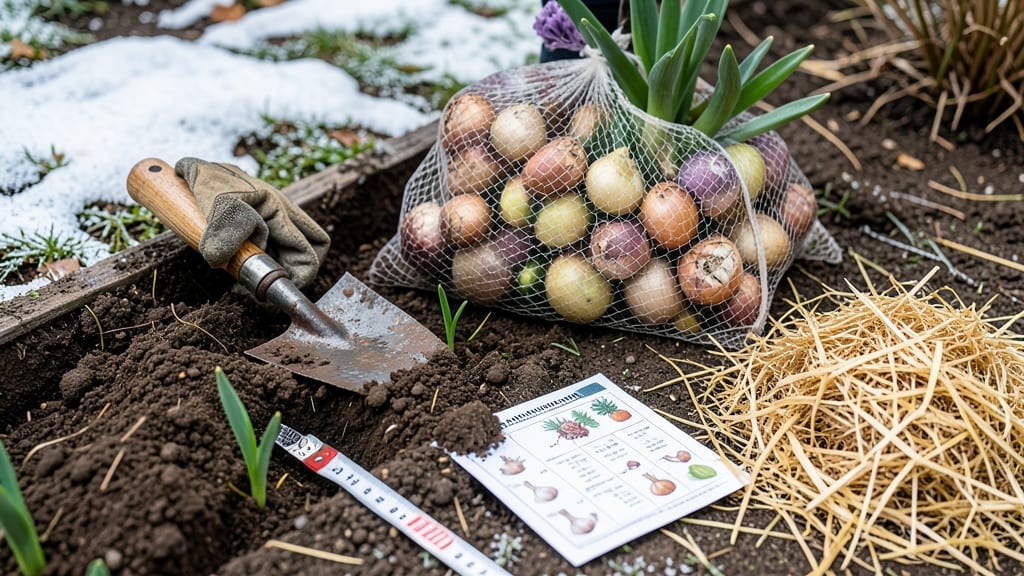
Timing your Spring-Blooming Bulbs 🌷 planting in Maine isn’t just about the calendar—it’s about beating the clock before the first frost locks them out of the ground.
With USDA zones 5a-6b and unpredictable late freezes, getting those bulbs in the soil at the right moment can mean the difference between a garden bursting with color and a season of disappointment.
Most gardeners assume fall planting is the only option, but spring offers a second chance—if you know the tricks. I’ll break down the exact windows for both seasons, including how to adjust for Maine’s coastal vs. inland microclimates, so you can plant with confidence whether you’re in Portland or Bangor.
You’ll also discover which bulbs handle Maine’s short growing season best, from hardy daffodils to resilient crocuses that laugh at frost. Plus, I’ll share my go-to soil prep and mulching techniques to protect your investment when those late spring freezes sneak up.
Ready to transform your yard into a springtime spectacle? Let’s dive into the frost-date strategy that’ll have your 🌷 bulbs popping up right on schedule—no guesswork required.
Maine’s frost-date planting zones: when to plant bulbs by month
Maine’s USDA zones 3-5 and coastal vs. inland microclimates create unique challenges for bulb planting. The average first frost hits between October 1 and October 15, but inland areas freeze 2-3 weeks earlier than coastal regions.
To maximize success, align your planting with these month-by-month windows tailored to Maine’s frost patterns.
For spring-blooming bulbs like tulips and daffodils, the ideal planting window is late September to early October. This gives bulbs time to establish roots before the ground freezes. Coastal gardeners have until mid-October, while inland gardeners should plant by late September to avoid frost damage to tender roots.
If you miss the fall window, don’t despair—spring planting is possible! Plant tulips and daffodils in March once the soil temperature reaches 40°F. However, spring-planted bulbs may bloom 2-4 weeks later than their fall counterparts, and some varieties (like hyacinths) won’t thrive when planted in spring.
Fall-planted bulbs like alliums and crocuses can also go in August or early September if soil conditions are right. These hardy varieties tolerate cooler soils better, making them ideal for early-season planting. Just ensure the soil is 60°F or warmer to prevent rot.
Here’s a quick reference for Maine’s bulb planting calendar, accounting for regional differences:
| Bulb Type | Coastal Maine (Zones 5a-5b) | Inland Maine (Zones 3b-4a) | Soil Temp Requirement |
|---|---|---|---|
| Tulips | Late Sept–Mid Oct | Late Aug–Early Sept | 50–60°F |
| Daffodils | Mid Sept–Mid Oct | Late Aug–Early Sept | 45–55°F |
| Hyacinths | Late Sept–Early Oct | Late Aug–Early Sept | 55–65°F |
| Crocuses | Early Sept–Mid Oct | Late Aug–Early Sept | 40–50°F |
| Alliums | Mid Aug–Early Sept | Late July–Early Aug | 50–60°F |
For spring planting, aim for March or early April once the soil is workable. Use a soil thermometer to confirm temperatures are above 40°F. Spring-planted bulbs may need extra protection from late frosts, especially in inland areas where temperatures can drop quickly.
Pro tip: Layer bulbs in your garden beds for continuous blooms. Plant early bloomers like crocuses in September, followed by tulips in October, and top with daffodils in November.
This staggered approach ensures color from early spring to late spring, even if some bulbs face frost challenges.
Always check local frost dates from resources like the Maine State Climate Office or Almanac.com for the most accurate timing.
Adjust your schedule by 1-2 weeks if you’re in a particularly cold or mild year—Maine’s climate is unpredictable, but with these guidelines, your bulbs will be ready to bloom beautifully.
🌱
How to adjust planting timing for Maine’s late frost risks
Maine’s late spring frosts can turn your carefully planted bulbs into a sad, frozen memory. I’ve learned the hard way that even hardy daffodils need protection when temperatures dip below 28°F after sprouting. The key is adjusting your planting timing and insulation to outsmart Mother Nature’s unpredictable swings.
For fall-planted bulbs, the goal is to get them in the ground 6-8 weeks before frost—typically late September to early October. But if you’re in coastal Maine, where winters are milder, you might push planting to early November.
Inland areas, like the Moxie Valley, freeze earlier, so aim for mid-September.
Here’s my foolproof strategy: Use a soil thermometer to confirm the ground has cooled to 50-60°F before planting. This ensures bulbs establish roots before winter sets in. Pro tip: Plant deeper in colder zones—6 inches for tulips, 8 inches for daffodils—to add extra insulation.
If you plant too early, bulbs may sprout in fall and get fried by frost. If too late, they won’t root deeply enough for spring blooms. Coastal areas (like Bar Harbor) have a 2-week later frost window than inland zones.
Action: Monitor local frost dates via Almanac.com or set a reminder for October 15th as your cutoff for fall planting.
For spring planting, wait until the soil warms to 45°F and the last frost date has passed (usually May 10th in most of Maine). But here’s the trick: Choose late-blooming varieties like Darwin hybrid tulips or Iris reticulata, which handle cooler soils better.
Plant them shallow (4-6 inches deep) so they can sprout faster.
Mulching is your secret weapon. After planting, top the soil with 4-6 inches of straw or shredded leaves to insulate bulbs. In Zone 4-5 areas, add a thick layer of evergreen boughs over the mulch for extra protection. Remove mulch in early spring to prevent rot as bulbs wake up.
Microclimates matter! Plant bulbs near south-facing walls or stone borders to trap heat. Avoid low spots where cold air pools. And if you’re near the coast, windbreaks (like hedges or fences) prevent frost damage from offshore winds.
My hyacinths near a brick wall bloom 2 weeks earlier than those in open ground.