
Plants
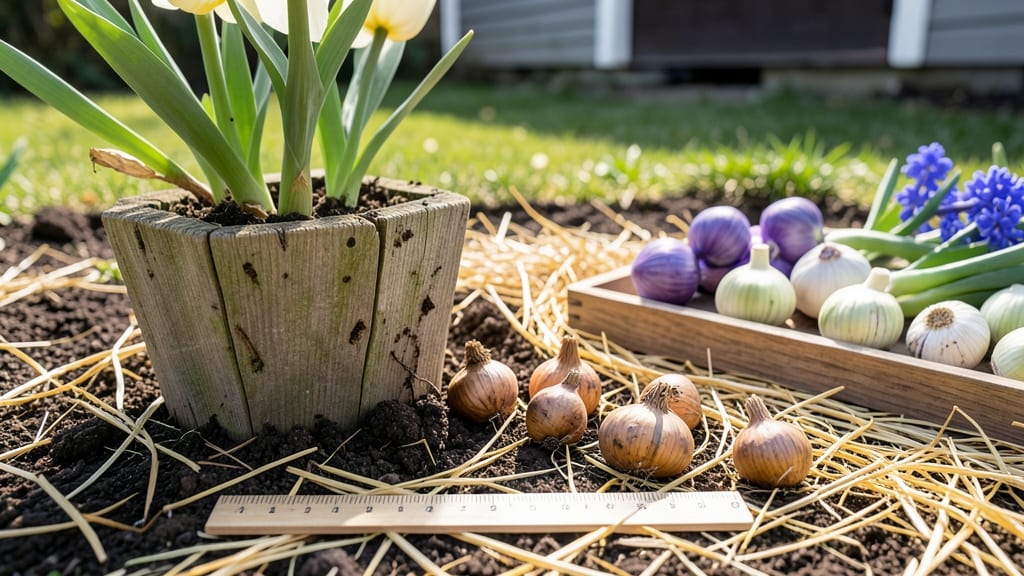
Timing your fall bulb planting perfectly ensures vibrant spring blooms—but getting it wrong can leave you waiting for flowers that never appear. The secret lies in understanding chill-hour requirements and regional planting windows.
In USDA Zone 6a, where I garden, planting 6-8 weeks before the first frost (around mid-October) gives bulbs like tulips and daffodils the ideal cold exposure they need to thrive.
Why does this matter? Because bulbs need a period of cold dormancy to break their dormancy cycle and bloom beautifully in spring. Planting too early exposes them to warm soil, while waiting too long risks frost damage before roots establish.
Let me show you exactly how to nail the timing for your specific variety and location.
You don’t need a degree in horticulture—just a few key pieces of information. We’ll break down the chill-hour needs for different bulbs, how to calculate your local frost dates, and the best soil conditions for planting.
With this knowledge, you’ll be well on your way to a garden bursting with color come spring.
Whether you're a seasoned gardener or just starting out, these tips will help you avoid common mistakes and ensure your bulbs get the perfect start. Let’s get those 🌱 planted right so you can enjoy stunning blooms next year!
Fall bulb planting timeline by USDA hardiness zones and chill-hour needs
Fall bulb planting isn't a one-size-fits-all task—it depends on your USDA hardiness zone and the chill-hour needs of your chosen bulbs. In Zone 3 (Alaska, northern Midwest), you can start as early as mid-August, while Zone 10 (southern California, Florida) may wait until late November.
The key is planting 6-8 weeks before your first frost date to allow roots to establish before winter.
Most spring-blooming bulbs need 12-16 weeks of cold exposure (chill-hours) to trigger flowering. Tulips and hyacinths typically require 1,000-1,500 chill-hours, while daffodils and alliums often thrive with 500-1,000 chill-hours.
Planting too early in warm climates can cause premature sprouting, while waiting too long risks bulbs not getting enough cold.
Here’s how your zone and bulb type determine your planting window:
| USDA Zone | Ideal Planting Window | Chill-Hour Needs | Best Bulbs for Zone |
|---|---|---|---|
| Zones 3-4 | Mid-August to early October | 1,200-1,600 hours | Tulips, daffodils, crocuses, hyacinths |
| Zones 5-6 | Late September to mid-October | 1,000-1,400 hours | Daffodils, alliums, grape hyacinths |
| Zones 7-8 | October to early November | 800-1,200 hours | Daffodils, snowdrops, early tulips |
| Zones 9-10 | November to December | 500-800 hours | Daffodils, crocuses, early crocus |
Note: Adjust for early vs. late varieties—some tulips need more chill-hours than daffodils.
For example, in Zone 6a (like Chicago or Denver), aim to plant tulips by mid-October—they need 1,200 chill-hours to bloom on time. Meanwhile, daffodils, which only need 800-1,000 chill-hours, can wait until late October in the same zone.
Always check the specific variety’s chill-hour requirement on the bulb packaging.
If you’re in a warmer microclimate (like a low-lying area in Zone 7), plant bulbs on the later end of your window to avoid premature sprouting. Conversely, in cooler microclimates (like a high-elevation garden in Zone 6), you can plant earlier to ensure bulbs get enough cold.
Pro tip: Use a soil thermometer to confirm the ground is below 60°F before planting—this signals it’s time for bulbs to root. In Zone 5, this usually happens by late September, while in Zone 9, it may not occur until November.
Don’t overlook late-blooming varieties, like Darwin hybrid tulips or Jonquil daffodils, which often have lower chill-hour needs and can be planted 2-3 weeks later than early varieties. This flexibility lets you extend your planting season and enjoy blooms over a longer period.
Regardless of your zone, plant bulbs in well-draining soil and mulch heavily after planting to protect them from freeze-thaw cycles and rodent damage. A 3-inch layer of mulch (like straw or shredded leaves) can make all the difference in harsh winters.
Finally, mark your calendar for next year’s planting by noting when you planted this fall—this helps you adjust for earlier or later frost dates in future seasons. With the right timing, your spring garden will burst with color, proving that a little patience in fall pays off big time.
How to calculate your local planting window using chill-hours and frost dates
Determining the perfect time to plant fall bulbs isn’t just about guessing—it’s about understanding your region’s chill-hour requirements and frost dates. Chill-hours are the number of hours below 40°F (4°C) that bulbs need to break dormancy.
For example, tulips typically require 12-16 weeks of chill, while daffodils need 8-12 weeks. Knowing your local frost dates helps you calculate when to plant so bulbs get the right amount of cold before spring.
Start by checking your USDA Hardiness Zone. If you’re in Zone 6a, like me, your first frost usually arrives around mid-October. For bulbs needing 12 weeks of chill, you’d plant by early September.
Use the National Weather Service or local gardening extension offices for your exact frost dates. This ensures your bulbs won’t sprout too early in warm soil or freeze before roots establish.
Next, consider your soil temperature. Bulbs should be planted when soil temps are below 60°F (15°C) but not yet frozen. Use a soil thermometer to check—this is especially critical in warmer zones like Zone 8 or 9, where planting too early can trigger premature growth.
For cooler zones (Zone 3-5), aim for late September to early October to avoid frost damage.
Here’s a pro tip: If you’re unsure about chill-hours, opt for hardy varieties like crocuses or snowdrops, which tolerate shorter chill periods. For finicky varieties like hyacinths, double-check their specific needs—some require 15+ weeks of chill.
This step saves you from disappointment when spring rolls around with no blooms!
Don’t forget to account for early vs. late varieties. Early bloomers (like crocuses) can handle shorter chill periods, while late bloomers (like tulips) need more time. Plant early varieties first, followed by mid- and late-season bulbs.
This staggered approach maximizes your garden’s bloom time and ensures a sequential display of color from early spring to late.
Finally, use a planting calendar tailored to your zone. Many nurseries and gardening apps provide these based on your location. For instance, in Zone 7, you might plant by mid-October, while in Zone 4, you’d aim for late August to early September.
Adjust for your specific bulb types—some, like alliums, are more flexible, while others, like fritillaries, are pickier.
With these steps, you’ll have a foolproof system for timing your fall bulb planting. No more guesswork—just beautiful, reliable blooms next spring! 🌷
Step-by-Step: Calculate Your Planting Window
- Step 1: Check your USDA Zone and average first frost date.
- Step 2: Look up the chill-hour needs for your bulb varieties.
- Step 3: Subtract chill weeks from frost date to find your planting window.
- Step 4: Verify soil temperature is below 60°F (15°C) but not frozen.
- Step 5: Plant 6-8 weeks before ground freezes for best results.
- Step 6: Adjust for early/late varieties—plant early types first.
Example: In Zone 6a, first frost is October 15. Tulips need 12 weeks of chill, so plant by early July? No—plant by mid-September to avoid early sprouting.
Once you’ve nailed down your planting window, the next step is ensuring your soil and site conditions are perfect. But first, let’s address the common mistakes that can turn your bulb dreams into a bust. Stay tuned to avoid these pitfalls and set your bulbs up for success! 🌱