
Plants
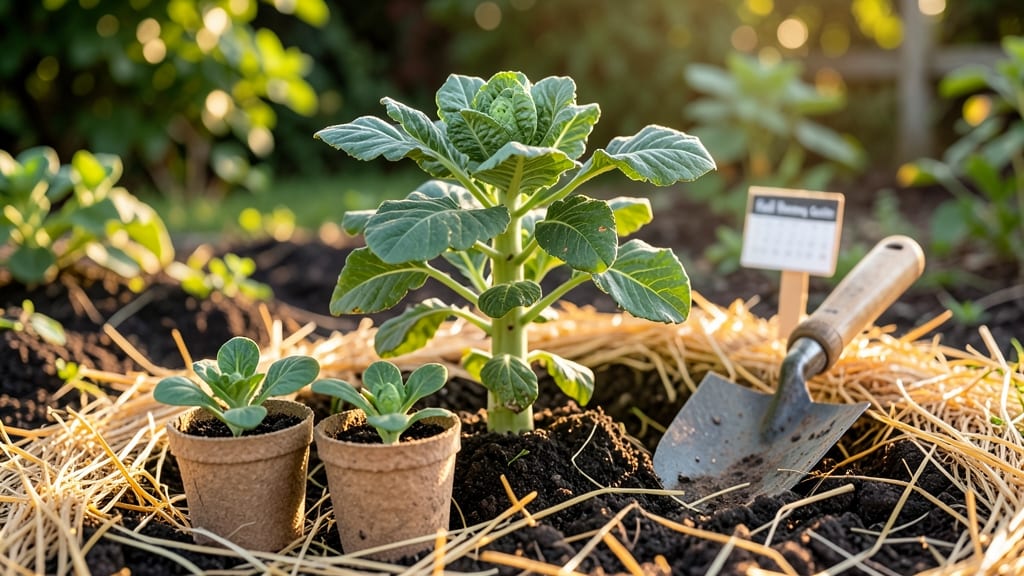
Planting Brussel sprouts 🥦 in Southern California isn’t just about dropping seeds in the dirt—it’s about working with the region’s unique microclimates to coax the best harvest. Unlike frost-dependent crops, these cool-season gems thrive when soil temperatures dip below 75°F, making late summer the sweet spot for planting.
Most gardeners in zones 9b-10a miss the boat by waiting too long, only to watch their sprouts bolt in the heat. The key is starting seeds 8-10 weeks before winter chill—typically between August and September—when coastal breezes and inland valleys both cool down just enough for steady growth.
But here’s the twist: coastal areas can plant slightly later, while inland valleys need an earlier head start. I’ll break down exactly how to time it for your specific patch of Southern California, plus pro tips for extending your harvest window when the weather gets finicky.
Skip the guesswork and learn how to turn your garden into a Brussels sprout powerhouse—no matter where you live in the Golden State.
Optimal planting windows for Brussel sprouts in Southern California’s climate zones
Southern California’s diverse microclimates—from coastal Zone 10 to inland Zone 9 and desert Zone 8—create unique challenges for growing Brussel sprouts. Unlike northern climates, we don’t have to worry about hard frosts, but heat waves and unpredictable soil temperatures can still derail your harvest.
The key is planting when daytime highs dip below 75°F and nights stay cool enough for consistent growth.
For most of Southern California, the ideal planting window stretches from mid-August to early September. This timing ensures sprouts mature before winter rains arrive and avoids the heat stress that can stunt plants in summer.
Coastal areas can push planting slightly later—into early October—thanks to their milder winters, while inland valleys should plant 4-6 weeks earlier to beat potential early cold snaps.
Brussel sprouts are cool-season crops, meaning they thrive when temperatures hover between 50°F and 65°F during the day. In Southern California, this typically aligns with fall and winter months, but the magic happens when you start them early enough to establish roots before the first chill of December.
If you miss this window, don’t despair—succession planting (more on this later) can still yield a harvest.
One common misconception is that Brussel sprouts need frost to sweeten, like their northern counterparts. While a light frost can improve flavor, Southern California’s mild winters mean you can harvest without it.
The real goal is to plant when soil temperatures drop below 70°F, signaling it’s time for these slow-growing plants to focus on sprout development rather than leafy growth.
Here’s a quick rule of thumb: Count backward 90 days from your first expected frost date (or December 1 for most of SoCal) to determine your planting window.
For example, if you live in Santa Barbara (Zone 10), planting in late August gives you a harvest window from mid-November to February. Adjust for your specific microclimate—inland areas like San Bernardino may need to plant as early as July.
Now, let’s break down the optimal planting windows for Southern California’s three main climate zones, including soil prep tips and heat tolerance thresholds to set you up for success.
Brussel Sprout Planting Guide by Southern California Zone
| Zone & Location | Ideal Planting Window | Soil Temp for Germination | Heat Tolerance Threshold | Harvest Window |
|---|---|---|---|---|
| Coastal (Zone 10) - Santa Barbara, San Diego | Late August to early October | 60-70°F (15-21°C) | Up to 80°F (27°C) with shade | November to March |
| Inland (Zone 9) - Los Angeles, Riverside | Mid-July to early September | 55-65°F (13-18°C) | Up to 75°F (24°C) with shade | October to February |
| Desert (Zone 8) - Palm Springs, Joshua Tree | June to mid-July | 50-60°F (10-15°C) | Up to 70°F (21°C) with shade | September to January |
*Adjust for microclimates—higher elevations or shaded areas may extend windows by 2-3 weeks.
Notice how the desert zones have the earliest planting window? This is because high desert areas like Palm Springs experience cooler nights earlier in the season, making June the perfect time to start seeds.
Meanwhile, coastal gardeners can afford to wait until September because their milder winters delay the first chill until December or later.
If you’re unsure about your specific microclimate, check with your local Cooperative Extension office or use a soil thermometer to monitor temperatures. Aim to plant when the soil stays below 75°F for at least 10 consecutive days.
This threshold ensures your Brussel sprouts won’t bolt (flower prematurely) and will focus on developing those tight, flavorful buds.
Pro tip: Start seeds indoors 4-6 weeks before your target outdoor planting date if you’re in a hotter inland area. This head start helps seedlings avoid heat stress and gives them a better chance to establish roots before cooler weather arrives.
Use biodegradable pots so you can transplant without disturbing roots.
For direct sowing, choose a cloudy day or plant in the late afternoon to reduce transplant shock. Space seeds 18-24 inches apart in rows 3 feet apart to allow for airflow and easy harvesting.
In smaller gardens, consider container growing—just ensure pots are at least 12 inches deep to accommodate the tall, woody stems
Optimal planting windows for Brussel sprouts in Southern California’s climate zones
Southern California’s diverse microclimates mean your Brussel sprouts 🥦 planting window can vary dramatically—even just 50 miles apart. Coastal areas like Malibu and San Diego (Zone 10) enjoy milder winters, while inland valleys such as Riverside (Zone 9) experience cooler nights and hotter days.
Desert regions like Palm Springs (Zone 8) require the earliest start to avoid summer heat stress.
The ideal soil temperature for planting is between 60-70°F, which typically occurs in late summer. Coastal gardeners can aim for mid-August to early September, while inland growers should start by late July to give plants time to establish before cooler weather arrives.
Desert gardeners have the tightest window: June to early July.
Here’s how to align your planting with your specific zone for maximum success:
| Zone | Planting Window | Soil Temp Goal | Key Consideration |
|---|---|---|---|
| Coastal (Zone 10) | Mid-August to Early September | 60-70°F | Humidity can increase fungal risk; prioritize airflow |
| Inland Valleys (Zone 9) | Late July to Mid-August | 65-70°F | Hot days/cool nights; use shade cloth if needed |
| Desert (Zone 8) | June to Early July | 60-65°F | Extreme heat tolerance needed; mulch heavily |
For direct sowing, plant seeds ½ inch deep and 1 inch apart in rows spaced 18-24 inches apart. If starting indoors (which I recommend for desert zones), sow seeds 6-8 weeks before transplanting75°F. Use biodegradable pots to minimize root disturbance during transplanting.
Pro tip: Test your soil’s pH (6.0-7.0) before planting—Brussel sprouts are heavy feeders and need fertile soil. Amend with compost or a balanced 5-10-10 fertilizer at planting time to give them a head start.
Coastal gardeners can wait until September for their first feeding, while inland growers should fertilize in late August.
Remember, the earlier you plant, the longer your harvest window—especially in Southern California where mild winters can stretch harvests into March or April. But don’t wait too late, or you’ll risk bolting (premature flowering) from residual summer heat.
Aim for 90-120 days to maturity, and you’ll be enjoying homegrown sprouts by winter!