
Plants
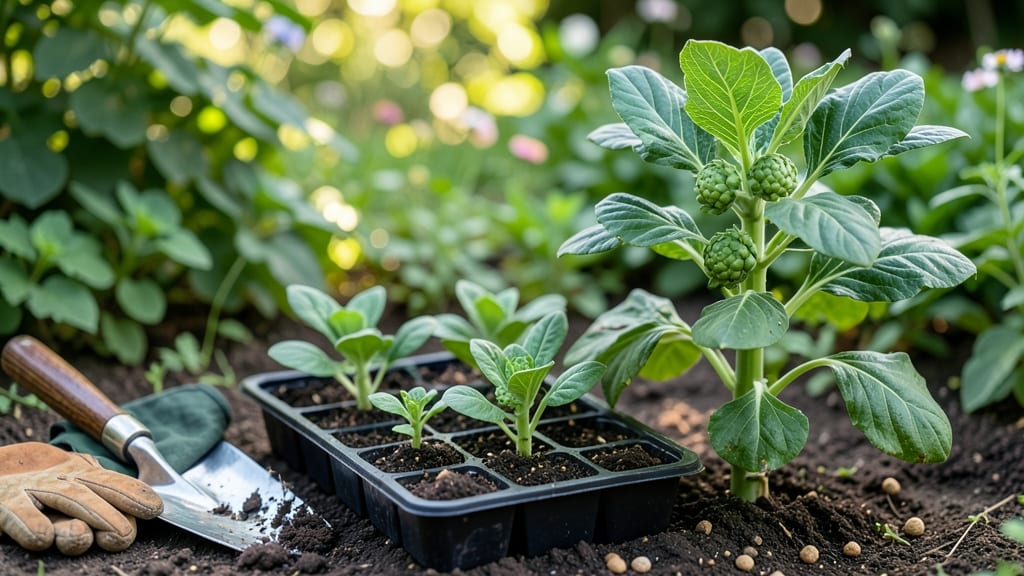
Timing your Brussel sprouts 🥬 planting in Zone 8 can make or break your harvest—get it wrong, and you'll end up with bitter, bolted plants instead of sweet, flavorful sprouts.
Most gardeners in 8a-8b zones struggle with the same question: when exactly should you plant these cool-weather crops to avoid heat stress? The answer isn't just about months—it's about temperature thresholds, frost dates, and regional microclimates that can shift your ideal window by weeks.
I've grown Brussel sprouts for years in Zone 8, and I'll show you the exact planting calendar that eliminates bolting risk. Whether you're a beginner or a seasoned grower, these proven strategies will help you time your plantings perfectly for a bountiful fall harvest.
From late summer succession plantings to fall's cooler temperatures, we'll cover everything you need to know to grow Brussel sprouts that taste like they came from a farmstand, not a seed packet.
Zone 8 brussel sprouts planting calendar: exact months to avoid bolting
Brussel sprouts are cool-season crops that detest Zone 8’s summer heat. Planting them at the wrong time can trigger bolting—when the plant prematurely flowers and produces bitter, woody sprouts.
The key to success in Zone 8 is timing: aim for late summer to early fall when temperatures drop below 75°F consistently.
In Zone 8, your last frost date typically falls around December 15, and your first frost arrives by January 15. To ensure a full harvest before winter, plant brussel sprouts 8-10 weeks before your first frost.
This means your ideal planting window is between mid-August and early September.
Here’s the critical rule: Soil temperatures must stay below 70°F for brussel sprouts to thrive. If you plant too early (like in June or July), the heat will stress the plants, leading to bolting. If you wait too late (October or later), they won’t mature before frost. Balance is everything!
🌱
| Planting Window | Ideal Months | Soil Temp | Days to Harvest | Notes |
|---|---|---|---|---|
| Early Fall Planting | Mid-August to Early September | Below 70°F | 90-100 days | Best flavor; avoids bolting |
| Late Fall Planting | Late September (Risky) | Below 65°F | 70-80 days | Smaller harvest; frost-sensitive |
| Spring Planting | Not Recommended | N/A | N/A | Heat stress causes bolting |
For the most reliable harvest, stick to the mid-August to early September window. This gives your brussel sprouts enough time to mature before hard frosts hit in late December.
If you’re unsure about your local frost dates, check the USDA Plant Hardiness Zone Map or use a frost calendar for your specific city.
Pro tip: Start seeds indoors 4-6 weeks before your target outdoor planting date. This head start helps brussel sprouts establish strong roots before transplanting into the garden. Use biodegradable pots to avoid disturbing roots during transfer.
Always plant brussel sprouts in well-draining soil with a pH between 6.0 and 7.0. Amend your soil with compost to improve fertility, and space plants 18-24 inches apart to allow for airflow and prevent disease. Overcrowding is a common mistake that leads to poor yields.
If you’re in Zone 8a (colder end of the range), you can push your planting window slightly later—up to early October. But if you’re in Zone 8b (warmer), aim for late August to avoid heat stress.
Microclimates matter too: Higher elevations stay cooler longer, while low-lying areas may require earlier planting.
🌿
Once planted, monitor your brussel sprouts closely for signs of heat stress, such as yellowing leaves or stunted growth. If temperatures rise above 80°F for more than a few days, consider providing light shade with a 30% shade cloth to protect your plants until cooler weather arrives.
Finally, remember that harvest timing is just as critical as planting time. Start harvesting from the bottom up once sprouts reach 1-1.5 inches in diameter. This encourages the plant to produce more sprouts higher up. With the right timing, you’ll enjoy a bountiful harvest from late November through January!
Zone 8 brussel sprouts planting calendar: exact months to avoid bolting
In Zone 8, timing is everything for Brussel sprouts—plant too early, and you risk heat stress and bolting; too late, and frost steals your harvest. The sweet spot lies between mid-August and early September, when soil temps drop below 75°F but before hard frost arrives.
This 8-10 week window ensures mature sprouts by November, when flavors peak.
Zone 8’s last frost date typically falls around December 15, but microclimates (like coastal areas) can delay frost until January 15. Use your local frost-free days (about 240 days) to calculate: plant 90 days before frost for harvests before winter’s chill.
For example, if frost hits December 1, aim for September 1 planting.
Here’s your Zone 8 planting timeline broken down by month, including critical temperature triggers and harvest windows:
For fall planting, prioritize cool-season varieties like ‘Long Island Improved’ or ‘Jade Cross’—they tolerate light frosts and deliver sweeter flavors. Start seeds indoors 6–8 weeks before transplanting (late July) to give seedlings a head start. If you’re direct-sowing, wait until mid-August when nighttime temps drop below 70°F.
Spring planting in Zone 8 is risky but possible for early varieties like ‘Red Ruby’. Sow seeds in February for harvests by May, but expect smaller yields due to heat stress. Use shade cloth (30–50%) to protect seedlings from spring sun and keep soil moist with mulch.
Pro tip: Monitor your soil temperature with a thermometer—Brussel sprouts thrive at 60–70°F. If temps creep above 80°F, delay planting or use row covers to shield plants. The goal? Cool roots and warm days for zero-bitterness harvests.
🌱