
Plants
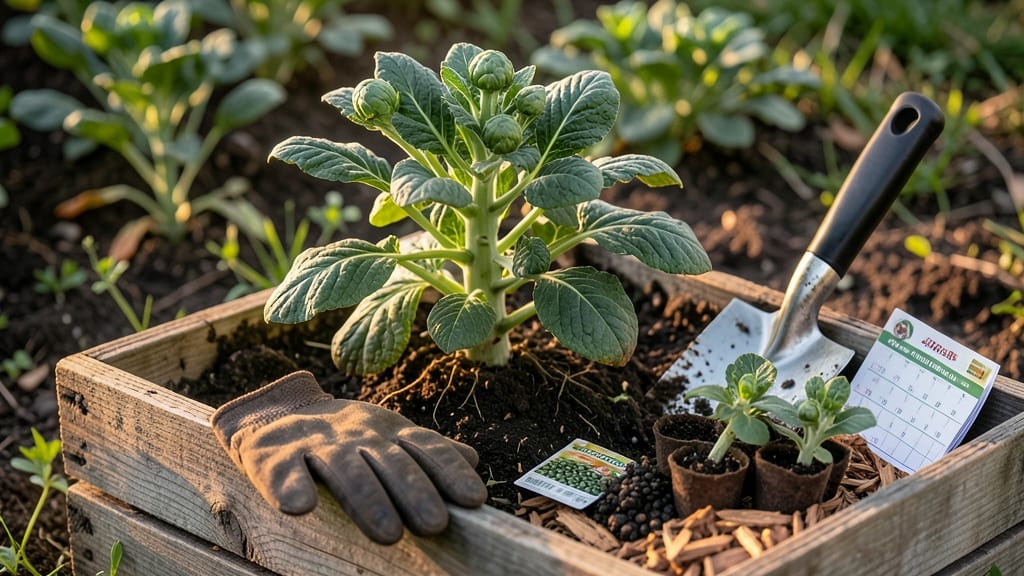
Planting Brussel sprouts in Arkansas at the wrong time can turn your garden into a bitter disappointment—literally. These 🥦 lovers need precise timing to avoid bolting (that’s when they go to seed too early and taste awful).
The key to sweet, zero-bolt harvests? Nailing those fall planting windows when temperatures are just right.
Arkansas’s USDA zones 7a-8b give you two chances to grow them: spring or fall. But fall-planted sprouts are your secret weapon for a late-season harvest. If you get the timing wrong—planting too early or too late—you’ll end up with tough, woody sprouts or none at all.
Let’s break down the exact windows and tricks to make sure your plants thrive.
Most gardeners in Arkansas swear by late July to mid-August for fall planting, but there’s more to it than just dates. Soil temperature, frost dates, and even your microclimate (whether you’re in the Delta or Ozarks) play a role.
I’ll show you how to adjust for Arkansas’s humid subtropical quirks and avoid the most common mistakes that wreck harvests.
Ready for a garden full of sweet, tender sprouts? By the end of this guide, you’ll know exactly when to plant, how to prep your soil, and what to watch for to keep your 🥦 happy until frost. Let’s get those seeds in the ground the right way!
Optimal Arkansas planting dates for zero-bolt Brussel sprouts
Arkansas gardeners know that Brussel sprouts love the state’s mild winters—but timing is everything. Plant too early, and your sprouts bolt (go to seed) before harvest. Plant too late, and they won’t mature before frost.
The key? Fall planting between late July and mid-August, when soil temps drop to 45-55°F. This ensures sweet, zero-bolt harvests from October to December.
Northern Arkansas (USDA zones 7a-7b) has a slightly earlier frost window than southern regions (zones 8a-8b). For example, Fayetteville averages its first frost around November 15, while Little Rock holds off until November 25. Adjust your planting dates accordingly to avoid bolting or frost damage.
Here’s the golden rule: Start seeds 4-6 weeks before your first frost date. In Arkansas, that means direct sowing between July 20 and August 15 for most regions.
If you’re using transplants, get them in the ground by August 1 to give them enough time to establish roots before cooler weather arrives.
📅 Arkansas Brussel Sprout Planting Schedule
| Region | USDA Zone | Direct Sowing Window | Transplant Deadline | Harvest Window |
|---|---|---|---|---|
| Northern Arkansas (Fayetteville, Rogers) | 7a-7b | July 20 - August 5 | July 30 - August 1 | October 15 - December 1 |
| Central Arkansas (Little Rock, Hot Springs) | 7b-8a | July 25 - August 10 | August 5 - August 10 | October 20 - December 10 |
| Southern Arkansas (El Dorado, Texarkana) | 8a-8b | August 1 - August 15 | August 10 - August 15 | October 25 - December 20 |
⚠️ Note: Adjust dates 1-2 weeks earlier for high-altitude areas (e.g., Eureka Springs) and 1 week later for heat islands (e.g., Fort Smith).
Soil temperature is your best friend when planting Brussel sprouts. They thrive in cool soil (45-55°F), so wait until nighttime temps drop below 75°F before sowing.
Use a soil thermometer to check—if it’s above 60°F, wait a few more days. In Arkansas, this usually aligns with mid-to-late July.
For a second harvest, try a spring planting in March. Sow seeds 4-6 weeks before your last frost date (around March 15 in most of Arkansas). Spring-planted sprouts will mature just in time for November-January harvests, though they’re more prone to bolting in heat.
Pro tip: If you’re seed-starting indoors, begin 6-8 weeks before your outdoor planting date. Use grow lights to provide 14-16 hours of light daily and transplant seedlings outdoors when they’re 4-6 inches tall and soil temps are ideal.
Harden off seedlings for 7-10 days before moving them to the garden.
Remember, Brussel sprouts need space to grow. Plant them 18-24 inches apart in rows 30-36 inches apart to allow for airflow and reduce disease risk. In Arkansas’s humid subtropical climate, good spacing helps prevent fungal issues like downy mildew.
Finally, mulch heavily after planting to retain moisture and regulate soil temperature. Use straw or shredded leaves (avoid grass clippings—they can mat and trap moisture). This is especially critical in Arkansas’s hot, humid summers, where soil can dry out quickly.
With these timing tips, you’ll avoid the bitter bolting that ruins so many Arkansas gardens. Stick to the fall planting window, monitor soil temps, and enjoy sweet, homegrown Brussels sprouts all winter long! 🥦
Optimal Arkansas planting dates for zero-bolt Brussel sprouts
Arkansas’s fall planting window for Brussel sprouts is your golden ticket to sweet, tender harvests. The magic happens between late July and mid-August, when soil temperatures drop to 45-55°F—the perfect range to prevent bolting.
This timing ensures your plants mature before the first frost (usually mid-November in most regions), giving you a harvest from October to December.
For North Arkansas (USDA 7a), aim for late July to early August to beat the heat. In South Arkansas (USDA 8b), you’ve got a slightly later window—early to mid-August—thanks to warmer soils.
Missing these dates? You risk either heat-stressed plants that bolt or sprouts that won’t mature before frost. Let’s break it down by region and method to keep your 🥦 happy.
| Region | Best Planting Window | Soil Temp Threshold | Harvest Window |
|---|---|---|---|
| North Arkansas (USDA 7a) | Late July – Early August | 45-50°F | October – December |
| South Arkansas (USDA 8b) | Early – Mid-August | 50-55°F | October – Late December |
| Delta Region (USDA 8a) | Mid-August – Early September | 52-58°F | November – January |
Direct sowing is ideal for Arkansas’s climate, but you can also start transplants indoors in June if you’re eager. Harden them off for 10 days before transplanting in late July. Pro tip: Use row covers to protect young plants from Arkansas’s occasional late-summer heat spikes, which can trigger bolting.
Even a 30°F temperature drop at night helps signal your sprouts to mature instead of bolt.
Missed the fall window? Don’t despair—spring planting (mid-March to early April) works too, but your harvest will come later (November-January). The trade-off? Spring plants often produce larger sprouts due to longer daylight hours.
For both seasons, space plants 18-24 inches apart in well-draining soil with a pH of 6.0-7.5 to avoid nutrient deficiencies that weaken plants and invite pests.
Watch for soil temperature fluctuations—Arkansas’s humid subtropical climate can cause rapid swings. Use a soil thermometer to confirm temps are stable before planting. If your soil runs hotter than 60°F, wait a few days or use shade cloth to cool it down.
Timing is everything, and these small adjustments can mean the difference between a bountiful harvest and a bitter disappointment. 🥦