
Plants
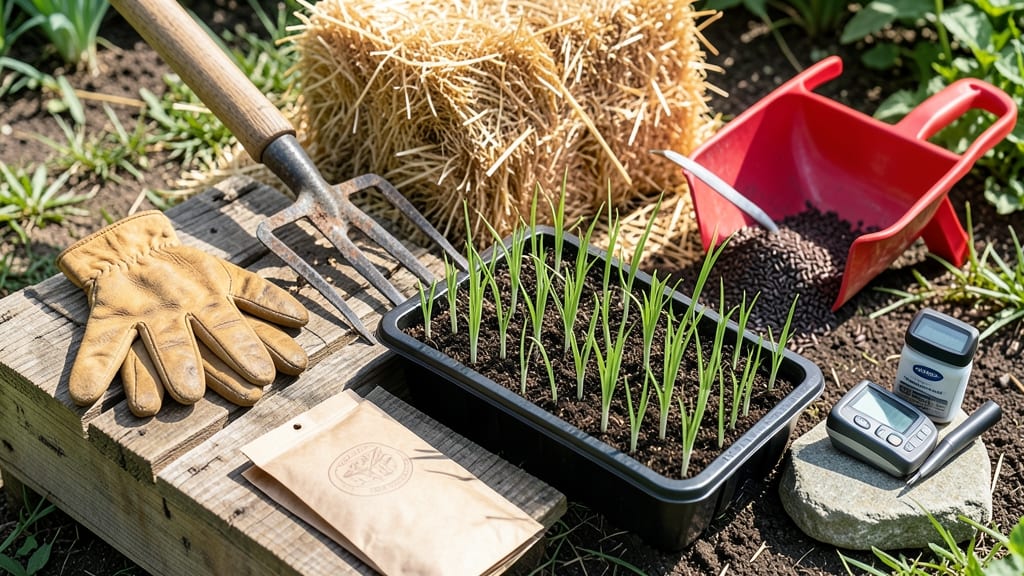
Planting brome grass in Kansas at the wrong time can turn your drought-resistant dream lawn into a patchy, high-maintenance mess. The key to success? Timing it right—whether you're in USDA Zone 5b or 7a, where frost dates shift dramatically between counties.
Most Kansas gardeners swear by early spring planting (March-April) when soil temperatures hit 55°F consistently, but late summer (August-September) offers a second chance for established roots before winter. The difference? Spring gives you a head start, while fall lets you bypass summer heat stress and weeds.
I’ve seen firsthand how microclimates in Kansas—from the clay soils of eastern counties to the sandy loams near Wichita—can shift ideal planting windows by weeks. That’s why I’m breaking down exactly when to plant based on your location, soil type, and even elevation.
Ready to skip the guesswork? Let’s dive into the frost-date cheat sheet that’ll have your 🌾 brome grass thriving all season long—no matter where you are in the state.
Kansas frost dates by county: best planting windows for brome grass
Brome grass thrives in Kansas' climate, but getting the planting timing right is critical—especially with USDA zones 5b-7a and variable frost dates. The last spring frost typically arrives between March 15 (southern KS) and April 15 (northern KS), while the first fall frost hits between October 20 (eastern KS) and November 15 (western KS). These dates create two ideal planting windows: early spring (March-April) and late summer (August-September).
For cool-season varieties like smooth brome, aim for early spring planting—just after the soil temperature reaches 50°F (10°C). This gives seeds time to germinate before summer heat sets in.
Meanwhile, warm-season mixes (often blended with tall fescue) do best when planted in late summer to establish roots before winter dormancy. Both strategies help avoid drought stress and weed competition.
Kansas' microclimates complicate timing. For example, Wichita (Zone 7a) can plant 2 weeks earlier than Hays (Zone 5b). Use local Almanac frost data or K-State Extension resources to fine-tune your schedule. Pro tip: Test soil moisture before planting—dry conditions delay germination.
Here’s a county-by-county breakdown of frost dates and planting windows to help you plan:
| County | USDA Zone | Last Spring Frost | First Fall Frost | Best Planting Window |
|---|---|---|---|---|
| Sedgwick (Wichita) | 7a | March 20 | November 5 | March 25–April 15 OR August 15–September 10 |
| Johnson (Overland Park) | 6b | March 25 | October 30 | April 1–15 OR August 1–15 |
| Reno (Hays) | 5b | April 10 | November 10 | April 16–May 1 OR August 20–September 5 |
| Douglas (Lawrence) | 6a | March 30 | October 25 | April 1–15 OR August 10–20 |
| Finney (Garden City) | 6b | March 22 | November 1 | March 25–April 10 OR August 15–September 5 |
Use this table as your planting guide, but always verify with local weather updates—especially in El Niño years, when frost dates can shift by 10+ days. For northern Kansas (e.g., Saline County), err on the side of late spring planting to avoid late frosts.
For late summer planting, focus on August-September to allow 4–6 weeks of growth before fall dormancy. This method works best for overseeding existing lawns or repairing bare patches. Just ensure the soil stays warm (above 60°F/15°C) for germination.
If you’re planting brome mixes (common in Kansas for drought resistance), include tall fescue for color contrast and weed suppression. Mix seeds at a 1:1 ratio for balanced growth. For pure stands, use smooth brome alone—it’s hardier in clay soils (common in eastern KS).
Remember: Seed depth matters. Plant ¼ inch deep for optimal germination, and lightly rake the soil to ensure seed-to-soil contact. Water daily until germination (usually 7–14 days), then taper to deep, infrequent watering to encourage deep root growth.
For established lawns, overseed in late summer when existing grass is dormant. This minimizes competition and maximizes new seed success. Use a slit seeder for even distribution, and avoid heavy foot traffic for 4 weeks post-planting.
🌾
How to adjust planting for Kansas’ microclimates and soil types
Kansas isn’t one-size-fits-all when it comes to planting brome grass. The state’s microclimates—from the clay-heavy soils of eastern counties like Douglas to the sandy loams near Wichita—can shift ideal planting windows by weeks.
Even elevation plays a role, with areas near the Wichita Mountains experiencing cooler temperatures than the plains.
For eastern Kansas (USDA Zone 5b-6a), where soils hold moisture longer, aim to plant smooth brome in early April or late August. The cooler, wetter conditions give seeds time to germinate before summer heat sets in.
In contrast, western Kansas (Zone 6b-7a) with its faster-draining soils benefits from late March or early September planting to avoid drought stress.
Soil type also dictates seed depth and watering needs. In clay soils, plant seeds just ¼ inch deep—any deeper suffocates sprouts—and water twice weekly until establishment. Sandy soils, however, require seeds ⅛ inch deep and daily watering for the first 3 weeks to prevent desiccation.
A soil test (aim for pH 6.0–7.0) can save you headaches later.
🌱 Kansas Soil & Planting Adjustments
- Clay Soils (Eastern KS): Plant ¼ inch deep, water twice weekly; amend with compost to improve drainage.
- Sandy Loams (Western KS): Plant ⅛ inch deep, water daily for 3 weeks; top-dress with peat moss to retain moisture.
- High-Altitude (Wichita Mtns.): Delay planting 2 weeks later than plains; use mulch to protect from frost.
- Established Lawns: Overseed in late summer; water lightly daily for 4 weeks to encourage seed-to-soil contact.
If you’re overseeding an existing lawn, late August is your best bet—cooler temps reduce weed competition, and 60 days of growth before frost ensures roots establish before winter. For new lawns, spring planting (after last frost) gives seeds a full growing season to fill in gaps.
Just remember: never plant in extreme heat (above 85°F) or seeds will dry out before germinating.
Pro tip: Use a slit seeder for large areas—it ensures even seed distribution and proper soil contact, cutting down on bare spots. And if your soil is compacted (common in urban areas), rent a core aerator before planting to give roots room to breathe.
A little prep now means less weeding and more lush growth come summer.
For drought-prone areas like the Flint Hills, consider a brome-tall fescue mix—it combines drought tolerance with weed suppression. Just adjust your watering schedule: deep soaks every 10–14 days once established, rather than frequent light watering.