
Plants
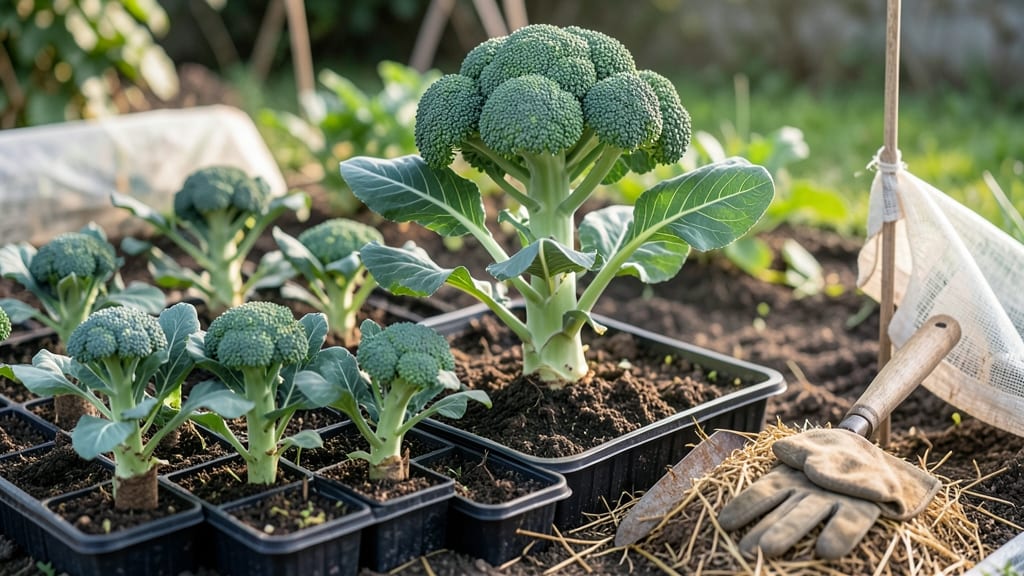
If you’ve ever planted 🥦 broccoli in North Texas only to watch it bolt in the heat or wilt before harvest, you’re not alone. The key to success lies in timing—specifically, knowing when to plant broccoli in North Texas to outsmart the climate.
This cool-season crop demands precise windows, and missing them means wasted effort (and maybe even a few choice words at your garden).
North Texas’s USDA Zone 8a climate offers two prime opportunities: late summer for a fall harvest or early spring for a spring bounty. But here’s the catch—plant too early, and the heat will send your broccoli into early retirement.
Plant too late, and you might miss the frost-free window entirely. The sweet spot? Late August to early September for fall, or February to early March for spring.
Why does this matter? Because broccoli isn’t just another vegetable—it’s a finicky one that rewards patience and precision. With the right timing, you’ll enjoy fresh, crisp heads from November to December or May to June.
And let’s be honest, there’s nothing like the satisfaction of pulling a homegrown head of 🥦 broccoli from your North Texas soil.
In this guide, I’ll break down the exact planting windows, soil prep tips, and even how to stretch your growing season with shade cloth or row covers. No more guesswork—just a foolproof plan to turn your garden into a broccoli powerhouse. Let’s get started.
Best planting windows for broccoli in North Texas: avoiding summer’s wrath
North Texas gardeners face a unique challenge with broccoli—its love for cool weather clashes with our brutal summers. The key to success lies in timing your plantings to avoid heat stress and maximize harvests.
Broccoli thrives in USDA Zone 8a/b, where the average last frost date is February 15 and the first frost arrives around November 15. This means you’ve got two prime windows to plant: fall and early spring.
Fall planting is your best bet for a reliable harvest before winter sets in. Start seeds indoors 6-8 weeks before your target transplant date (around late August) or sow directly into the garden in early September.
This gives your broccoli enough time to mature before the first frost knocks it back. Spring planting is trickier—plant too early, and the heat will cause your broccoli to bolt prematurely.
Here’s the breakdown of your optimal planting windows in North Texas, tailored to avoid summer’s wrath:
For fall plantings, aim to have your broccoli mature before the first frost hits. If you’re planting in early September, choose fast-maturing varieties like 'Waltham 29' (ready in 55-60 days) to ensure a harvest before winter.
In contrast, spring plantings require more caution—broccoli planted in March will face rising temperatures by May, so opt for heat-tolerant varieties or use shade cloth to protect your plants.
North Texas’s microclimates can also play a role. Urban areas with heat islands may need to adjust planting times slightly later than rural areas.
If you’re in a hotter microclimate, consider using black plastic mulch to warm the soil faster in spring or light-colored mulch to reflect heat in summer. Always monitor your soil temperature—broccoli prefers 50-85°F, and soil temps above 80°F will stress your plants.
One common mistake is planting too early in spring and expecting broccoli to handle the heat. If you transplant in February, your plants may bolt by April due to rising temperatures. To avoid this, start seeds indoors in January and transplant in early March when soil temperatures are cooler.
For fall plantings, direct sowing in late August gives your broccoli enough time to establish roots before winter slows growth.
If you’re eager to extend your harvest, consider succession planting. Sow a second batch of seeds 4-6 weeks after your initial planting to stagger your harvest. This works especially well in fall, where you can have multiple plantings ready for November and December harvests.
Just be sure to space your plantings properly—broccoli needs 18-24 inches between plants to avoid competition.
Finally, don’t overlook the power of row covers or shade cloth. In early spring, use floating row covers to protect young plants from unpredictable cold snaps.
In late spring, 30-50% shade cloth can help extend the growing season by 2-4 weeks, keeping your broccoli cool enough to produce heads. These simple tools can make the difference between a bountiful harvest and a disappointing failure.
Best planting windows for broccoli in North Texas: avoiding summer’s wrath
North Texas’s USDA Zone 8a/b climate means broccoli’s cool-season love clashes with our scorching summers. The key? Plant when daytime temps stay below 75°F—any hotter, and your broccoli bolts (or worse, turns bitter).
My fall and early spring plantings consistently deliver harvests, while summer attempts? Let’s just say I’ve learned the hard way.
For fall broccoli, aim for late August to early September. This gives plants 60-80 days to mature before first frost (Nov 15). Meanwhile, spring planting opens in February, but rush it, and you’ll face April heat stress.
Timing here is non-negotiable—I’ve lost entire crops to premature bolting when I planted too early.
| Planting Window | Days to Maturity | Key Considerations | Best Varieties |
|---|---|---|---|
| Late August - Early September (Fall) | 60-80 days | Plant 4-6 weeks before first frost; use row covers for extra protection. | 'Waltham 29', 'De Cicco' |
| February - Early March (Spring) | 50-70 days | Avoid planting after March 15—heat will bolt plants quickly. | 'Calabrese', 'Green Magic' |
| ❌ Avoid: April - October | N/A | Summer temps above 80°F cause bolting; broccoli won’t survive our heat. | N/A |
North Texas’s microclimates complicate things. Urban areas like Dallas or Austin stay warmer longer—plant 2 weeks earlier than rural zones. My raised beds in Dallas heat up faster, so I add 2-3 inches of straw mulch to keep roots cool.
For soil temperature, aim for 45-65°F—use a soil thermometer if unsure.
Pro tip: Succession plant every 2 weeks in fall for continuous harvests. I’ve stretched my season from November to January using this trick, even with occasional freezes.
Just cover plants with lightweight row fabric when temps drop below 25°F. My De Cicco variety thrives in these conditions—it’s my go-to for cold-hardy broccoli.
Don’t forget soil prep! North Texas’s clay-heavy soil drains poorly—amend with compost and sand before planting. I mix in aged manure for nitrogen, but avoid fresh manure (it burns roots). A pH of 6.0-7.0 is ideal—test your soil in early summer to plan ahead.
Your broccoli’s success hinges on these windows. Plant outside them, and you’ll chase shadows (and disappointment). Stick to fall and early spring, and you’ll enjoy homegrown broccoli that rivals the grocery store—without the heat stress. Trust me, your future self will thank you.