
Plants
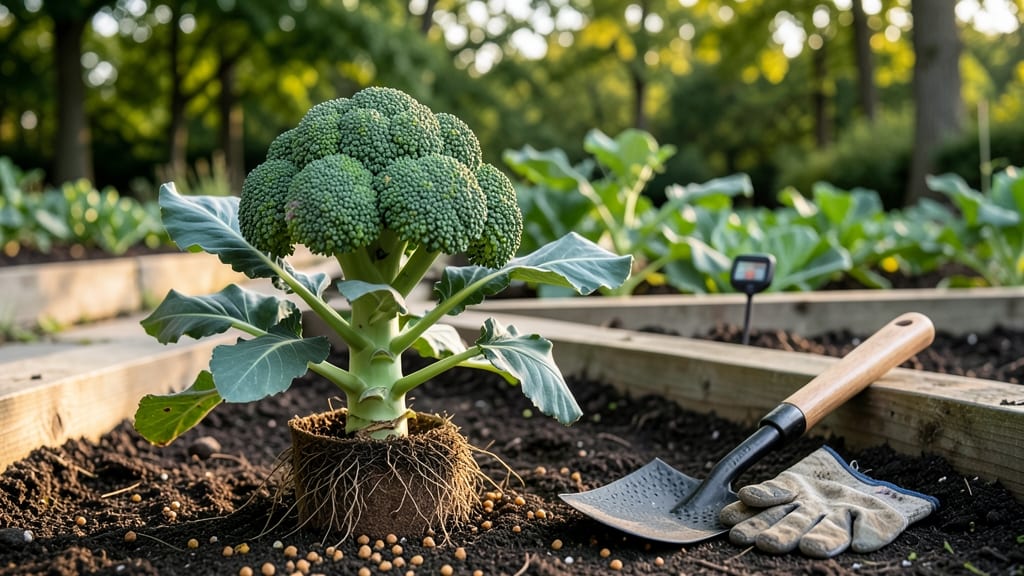
Timing your 🥦 broccoli planting in Colorado is the key to avoiding frost damage and maximizing your harvest—whether you're growing in Denver's 5b-6a zone or higher elevations.
The wrong window can leave you with bolted plants or stunted growth, but get it right, and you'll enjoy fresh, crisp heads from June through November.
Colorado's spring and fall planting windows are your best bets, with early starts in March and late-season plantings as late as September. The challenge? Elevation changes everything—what works at 5,000 feet might fail at 9,000 feet.
I’ll break down the exact deadlines for your specific zone so you can plant with confidence.
You’ll also discover how to beat Colorado’s short growing season with cold-hardy varieties and smart transplanting tricks. Whether you’re a first-time gardener or a seasoned pro, these elevation-based strategies will help you grow bigger, healthier broccoli—no matter where you live in the state.
Ready to stop guessing and start planting? Let’s dive into the perfect timing for your broccoli patch, so you can enjoy a harvest that rivals the best farmers' markets.
Colorado broccoli planting deadlines by elevation: spring vs fall timing
Colorado’s diverse elevations create unique challenges for broccoli growers. At 5,000–6,500 feet, your last frost typically arrives by April 15, while highland areas above 8,000 feet may wait until May 1. Timing is everything—plant too early, and frost will kill seedlings; too late, and your harvest shrinks.
I’ve broken down the optimal planting windows for both spring and fall crops, tailored to Colorado’s three major elevation zones.
For spring planting, I recommend starting seeds 4–6 weeks indoors before your last frost date. This gives seedlings a head start while avoiding the cold soil that slows germination.
In fall, aim to plant seeds 8–10 weeks before your first frost, ensuring mature heads form before winter sets in. Let’s dive into the specifics for your elevation zone.
| Elevation Zone | Spring Planting Window | Fall Planting Window | Last Frost Date | Key Varieties |
|---|---|---|---|---|
| 5,000–6,500 ft (Lowland) | March 15 – April 15 (indoors); April 15 – May 1 (outdoors) | August 1 – September 1 | April 15 | Waltham 29, De Cicco |
| 6,500–8,000 ft (Mid-Elevation) | April 1 – April 30 (indoors); May 1 – May 15 (outdoors) | August 15 – September 15 | April 30 | Calabrese, Purple Sprouting |
| 8,000+ ft (Highland) | April 15 – May 1 (indoors); May 15 – June 1 (outdoors) | September 1 – September 30 | May 15 | Green Goliath, Belstar |
If you’re in the Denver metro area (5,000–6,500 ft), prioritize spring planting between March 15 and April 15. Start seeds indoors in late February to early March, then transplant outdoors after your last frost.
For fall crops, August is your best bet—plant by September 1 to avoid bolting before frost. In mountain regions (8,000+ ft), delay until late April or May to escape late-season frosts.
Pro tip: Use a planting calendar or local frost data from the Colorado State University Extension. Their tools account for microclimates, like urban heat islands or sheltered valleys, which can shift your frost dates by 1–2 weeks.
I’ve also found that row covers extend the season by 2–4 weeks in both spring and fall.
For fall planting, focus on cold-hardy varieties like Waltham 29 or De Cicco. These tolerate light frosts and produce sweet heads even as temperatures dip. In high-elevation zones, opt for Green Goliath, which matures in just 50–60 days, perfect for short growing seasons.
One mistake I see often? Planting broccoli in July or August. Colorado’s summer heat causes bolting—your plants will flower prematurely instead of forming heads. Save summer for warm-season crops like tomatoes or peppers, and stick to spring/fall for broccoli.
To maximize yields, stagger your plantings every 2 weeks in spring and 3 weeks in fall. This succession planting ensures a continuous harvest and reduces the risk of losing an entire crop to pests or weather.
For example, plant half your seeds in early April and the rest in mid-April for a staggered harvest in June and July.
Always check your soil temperature before transplanting. Broccoli seeds need soil at 40–85°F to germinate. Use a soil thermometer—if it’s below 40°F, wait a week or two.
In highland areas, soil warms slower, so plan accordingly. I’ve had success using black plastic mulch to warm the soil 5–10°F faster in early spring.
Finally, monitor your local weather forecasts for unexpected late frosts, especially in May. A single 28°F night can devastate young seedlings. If frost is forecasted, cover plants with frost blankets or move containers to a sheltered spot.
With these deadlines and tips, you’ll avoid the most common pitfalls and enjoy a bountiful broccoli harvest all season long. 🥦
How to extend broccoli’s growing season in Colorado’s short summers
Colorado’s short growing season and cool nights can challenge broccoli lovers, but with the right strategies, you can enjoy fresh frost-resistant varieties from spring through fall. The key is choosing cold-hardy cultivars and using techniques like succession planting and row covers to protect tender seedlings.
For spring plantings, start seeds indoors 4-6 weeks before your last frost date—typically late February to early March for lowland areas. If you’re at higher elevations (8,000+ ft), push this back to mid-March to avoid early frost damage.
Transplant seedlings outdoors once soil temperatures reach 40°F and nighttime lows stay above 25°F.
🌱 Did You Know? Waltham 29 and De Cicco are top picks for Colorado gardens—they tolerate light frosts and produce tight heads even in cooler conditions. These varieties also handle partial shade, making them ideal for mountain gardens with shorter daylight hours.
- Use row covers to protect seedlings from late spring frosts (remove when flowers appear to prevent overheating).
- Plant succession crops every 2-3 weeks from March to May for continuous harvests.
- Choose compact varieties like ‘Calabrese’ for containers or small spaces, extending harvests into October.
- Mulch with straw or compost to regulate soil temps and retain moisture during dry spells.
- For fall plantings, sow seeds August 1–September 15 to harvest before first frost (aim for 60–90 days to maturity).
If you’re growing in Denver or Front Range areas (USDA Zone 5b–6a), focus on fall plantings for the most reliable harvests. Start seeds indoors in late July and transplant outdoors by mid-August.
This gives your broccoli enough time to mature before first frost (mid-October) while avoiding the heat stress of summer.
For high-altitude gardens (8,000+ ft), like those in Aspen or Leadville, stick to early spring plantings and cold-hardy varieties. Use black plastic mulch to warm soil faster in spring, or straw mulch to insulate roots during unpredictable nighttime drops.
Always monitor your local frost forecast—Colorado’s microclimates can shift temperatures dramatically.
Finally, don’t overlook side shoots! After harvesting the main head, your broccoli plant will produce smaller side shoots for 4–6 weeks. Cut these when they reach 3–4 inches in diameter to prolong your harvest.
With these techniques, you can enjoy homegrown broccoli from May through November—even in Colorado’s challenging climate! 🌿