
Plants
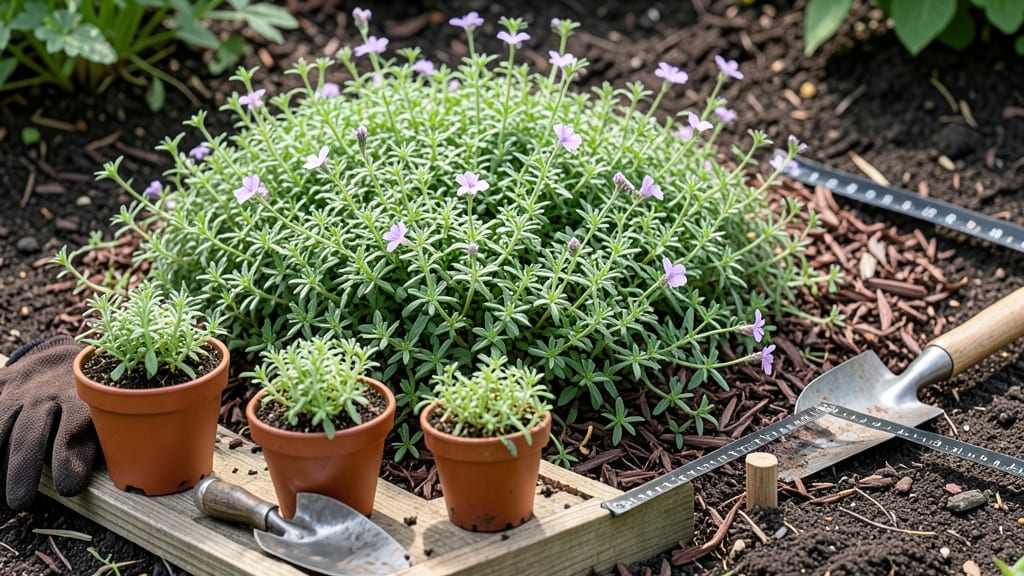
Timing your creeping thyme planting in Colorado could mean the difference between a thriving ground cover and a winter casualty. With frost dates shifting dramatically from Denver’s Zone 7 to the High Plains’ Zone 5, getting it wrong can leave your 🌿 vulnerable to late freezes or stunted growth.
Most gardeners in Colorado swear by planting creeping thyme in early spring (March-April) or early fall (September-October), but your exact window depends on elevation. At 5,000 feet, you might be ready by mid-March, while 7,000-foot zones often wait until late April to avoid surprise frosts.
Don’t let Colorado’s unpredictable weather throw you off—this guide breaks down the frost-free windows for every major region, plus how to adjust for urban heat islands or mountain microclimates. You’ll learn exactly when to plant, how to prep your soil, and which varieties handle Colorado’s harsh winters best.
The key? Planting when soil temperatures hit 50°F and choosing the right spot—full sun, well-drained soil, and proper spacing make all the difference. Let’s get your creeping thyme off to the perfect start.
Colorado’s frost-free windows for creeping thyme by elevation Zone
Colorado’s elevation zones create wildly different planting windows for creeping thyme. At 5,000 feet (Denver), you can start as early as mid-March, while 8,000-foot areas (like Aspen) often wait until late May to avoid late frosts. Understanding your exact zone ensures your creeping thyme thrives, not just survives.
The Front Range (Zones 5-7) typically sees its last frost between April 15 and May 1, while the Western Slope (Zones 6-8) can plant 2-4 weeks earlier. High Plains regions (Zone 5) face the latest risks, with frost lingering until mid-May in some areas.
Microclimates—like urban heat islands or sheltered valleys—can shift these dates by 1-2 weeks.
Here’s your elevation-specific planting timeline, including soil temperature thresholds and frost-free windows to maximize success:
For fall planting, aim for September 1–October 15 across all zones, giving thyme time to establish roots before winter. In Zone 5, avoid planting after October 1—your thyme may not survive the first frost. Use a soil thermometer to confirm temperatures meet the thresholds above before planting.
Pro tip: In Zone 7+, you can push early spring planting to February if using a cloche or row cover to protect from late frosts. Just remove covers once nighttime temps stay above 32°F consistently. This extends your frost-free window by 2-3 weeks in warmer microclimates.
Urban gardeners in Denver or Boulder often see heat island effects that allow planting 1-2 weeks earlier than rural areas. Check your local CoCoRaHS weather station for precise frost data—these community-run stations provide hyper-local insights Colorado’s official forecasts miss.
If you’re in a high-elevation zone, consider starting thyme indoors under grow lights in late February and transplanting after the last frost. This gives your plants a 4-6 week head start, crucial for establishing before winter sets in.
Remember: Creeping thyme’s drought tolerance is a double-edged sword. While it thrives on minimal water, newly planted thyme needs consistent moisture to root. Water deeply once a week for the first 4 weeks after planting, then taper off as it establishes.
🌿
Colorado’s frost-free windows for creeping thyme by elevation Zone
Colorado’s elevation zones dramatically impact when you can safely plant creeping thyme. At 5,000 feet in Denver, your frost-free window opens by mid-March, while 8,000-foot zones like Colorado Springs may wait until late April.
The Western Slope (e.g., Grand Junction) often enjoys a 2-3 week earlier start due to lower elevations and desert microclimates.
For Zone 5 (High Plains), aim for late April to early May—this gives young plants time to establish roots before first frost in mid-October.
Meanwhile, Zone 7-8 areas (e.g., Colorado Springs, Pueblo) can plant as early as February in sheltered microclimates, but urban heat islands may delay frost until mid-November.
Here’s how to adjust your planting timeline based on elevation and microclimate:
| Elevation Zone | Last Frost Date | Ideal Planting Window | Microclimate Adjustments |
|---|---|---|---|
| 5,000–6,000 ft (Denver, Boulder) | Mid-April | Late March–Early April | Urban areas: Wait 1 week longer |
| 6,000–7,000 ft (Fort Collins, Colorado Springs) | Late April | Early–Mid April | Mountain foothills: Delay until May |
| 7,000–8,000 ft (High Plains, Estes Park) | Early May | Late April–Early May | Cold pockets: Use cold frames |
| Western Slope (Grand Junction, Durango) | Mid-March | February–Early March | Desert areas: Plant earlier |
Fall planting is another safe bet for Colorado gardeners. Aim for September to early October—this gives thyme’s roots 4-6 weeks to establish before winter dormancy. In Zone 5, wait until mid-September to avoid early frosts, while Zone 8 areas can extend planting until late October.
Pro tip: Use a soil thermometer to confirm 50°F soil temps before planting. Cold soil slows root growth, leaving thyme vulnerable to winter kill. If temps dip below 40°F, delay until conditions stabilize.
For container gardening, you can plant 2-3 weeks earlier since pots warm faster. Just ensure containers have drainage holes—creeping thyme hates soggy roots. Mulch with 2-3 inches of straw after planting to insulate roots and retain moisture during Colorado’s dry springs.