
Plants
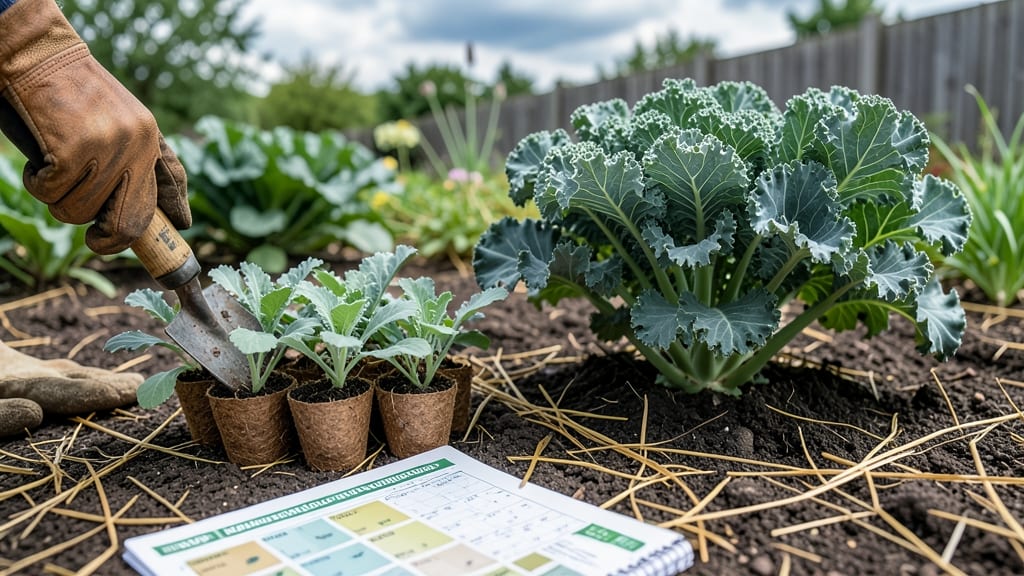
When to plant brassicas in Wisconsin can make or break your harvest—especially with shifting frost dates that test even the most patient gardener. Whether you're growing cabbage, broccoli, or kale, timing is everything. Plant too early, and frost will nip your seedlings in the bud; wait too long, and your crop will bolt or struggle to mature. Wisconsin’s USDA zones 4a-6b demand precision, but the good news is brassicas thrive in cool weather. The ideal windows are March 15–April 30 for spring and August 1–September 15 for fall, aligning with soil warming and frost-free periods. Miss these, and you’ll struggle with bolting or stunted growth. Here’s the game-changer: succession planting. By staggering your brassicas in 3 strategic batches, you’ll extend harvests from June through November—even in Wisconsin’s short season. I’ll walk you through the exact varieties to pick, when to sow, and how to protect them from late frosts. Ready to turn your garden into a year-round brassica powerhouse? Let’s dive into the cold-hardy secrets that’ll keep your crops happy, healthy, and ready to harvest—no matter what Wisconsin throws your way.
Wisconsin’s last-frost dates & ideal planting windows for brassicas
Wisconsin’s last-frost dates vary wildly—from early April in southern regions to late May in the north. This variability means your brassica planting window must be flexible, especially for frost-sensitive crops like broccoli and cauliflower.
For most of the state, aim to plant 4-6 weeks before your average last frost, typically between March 15 and April 30 for spring harvests.
Northern Wisconsin gardeners (USDA zones 3-4) should wait until mid-to-late April to avoid frost damage, while southern areas (zones 5-6) can start as early as mid-March under row covers.
The key is ensuring seedlings have 4-6 weeks of frost-free growth before harvest—critical for head-forming brassicas like cabbage and Brussels sprouts.
Fall planting follows a similar rule: 6-8 weeks before your first frost, usually between August 1 and September 15. Cold-hardy varieties like kale and collards can handle light frosts, but broccoli and cabbage need protection when temps dip below 25°F.
Use row covers or mulch to extend harvests into winter for these resilient crops.
Soil temperature matters just as much as air temperature. Brassicas thrive when soil reaches 40-45°F, which typically aligns with Wisconsin’s late April to early May timeline. Test your soil with a soil thermometer—if it’s still cold, wait or use black plastic mulch to warm it faster.
Here’s how Wisconsin’s regions break down for brassica planting:
| Region | Last Frost | Spring Planting Window | Fall Planting Window | Key Varieties |
|---|---|---|---|---|
| Southern WI (Zones 5-6) | Late April | March 15–April 15 | August 15–September 15 | Broccoli, Cauliflower, Kale |
| Central WI (Zones 4-5) | Mid-April | April 1–April 30 | August 1–September 10 | Cabbage, Brussels Sprouts, Collards |
| Northern WI (Zones 3-4) | Late May | April 15–May 15 | July 15–August 15 | Kale, Swiss Chard, Turnips |
For succession planting, space out sowings every 2-3 weeks from April to July. This ensures a continuous harvest of baby greens and microgreens, which mature faster and tolerate cooler temps. For example, plant baby kale every 2 weeks from April through June for a summer-long supply.
Wisconsin’s short growing season means fall brassicas are your best bet for late harvests. Start Brussels sprouts in late July—they need 90-120 days to mature—and cabbage in early August for a Thanksgiving table.
Use straw mulch to protect roots from temperature swings and extend harvests into December for cold-hardy varieties.
Pro tip: Check the UW Extension’s frost date maps for your specific county, as microclimates can shift planting windows by 1-2 weeks. Urban areas may experience earlier last frosts due to heat islands, while rural spots can stay colder longer.
Adjust your timeline accordingly to avoid bolting or frost damage.
Remember, brassicas planted too early may bolt prematurely from cold stress, while late plantings risk stunted growth before frost. Balance these risks by starting seeds indoors 4-6 weeks before your outdoor window opens—especially for slow-growing varieties like cauliflower.
Best brassica varieties for Wisconsin’s climate & how to stagger plantings
Wisconsin’s cool, short growing season favors brassicas that thrive in 45–75°F temperatures, but not all varieties handle our late frosts and summer heat equally. The key is selecting cold-hardy types for spring/fall and heat-tolerant ones for summer.
My top picks? ‘Winterbor’ kale (survives -20°F), ‘Presto’ broccoli (fast-maturing), and ‘Golden Acre’ cabbage (bolting-resistant). These varieties are battle-tested for USDA zones 4a–6b and align with Wisconsin’s 150–180 frost-free days.
To maximize harvests, I use a 3-phase planting strategy: early spring (March 15–April 15), late summer (August 1–15), and fall (August 15–September 15). Each phase targets a different maturity window—spring for June harvests, summer for heat-tolerant crops, and fall for October–November storage.
For example, I plant ‘De Cicco’ broccoli in early spring (harvest by July) and ‘Waltham 29’ cabbage in late summer (harvest by October).
🌱 3-Phase Planting Plan for Wisconsin Brassicas
- Phase 1 (Early Spring): March 15–April 15 – Cold-hardy varieties like kale, Brussels sprouts, and ‘Presto’ broccoli (harvest June–July).
- Phase 2 (Late Summer): August 1–15 – Heat-tolerant types like ‘Golden Acre’ cabbage and ‘Tasty Cross’ kale (harvest Sept–Oct).
- Phase 3 (Fall): August 15–September 15 – Overwintering varieties like ‘Winterbor’ kale and ‘January King’ cabbage (harvest Oct–Nov).
For summer planting, focus on bolting-resistant varieties like ‘Heat-Tolerant’ broccoli or ‘Red Russian’ kale, which won’t bolt in 80°F+ heat. In fall, prioritize overwintering types—these sweeten after frost! I also recommend succession sowing every 2 weeks in spring/fall to fill harvest gaps.
For instance, if I plant ‘Golden Acre’ cabbage on April 1, I’ll sow another batch on April 15 and May 1 for staggered maturity.
Pro tip: Direct-sow cold-hardy brassicas like kale and cabbage 2–3 weeks before frost-sensitive types (e.g., broccoli, cauliflower). This gives them a head start while protecting tender seedlings. I’ve also had success starting seeds indoors in early March for a 4-week head start before transplanting after the last frost.
Just ensure seedlings are hardened off for 7–10 days before moving them outside.
Don’t overlook Brussels sprouts—they’re my secret weapon for fall harvests! Varieties like ‘Long Island Improved’ take 90–100 days to mature, so plant them by August 1 for a November harvest.
Pair them with ‘Winterbor’ kale, which stays crisp through December frosts if mulched heavily. This combo ensures fresh greens on my table well into winter.
Finally, rotate planting locations yearly to prevent soil-borne diseases like clubroot, which thrives in Wisconsin’s cool, moist conditions. I dedicate a new garden bed each year for brassicas and follow them with legumes or grasses to replenish nitrogen.
With this strategy, I’ve extended my brassica harvests from 3 months to 8 months—no greenhouses needed!