
Plants
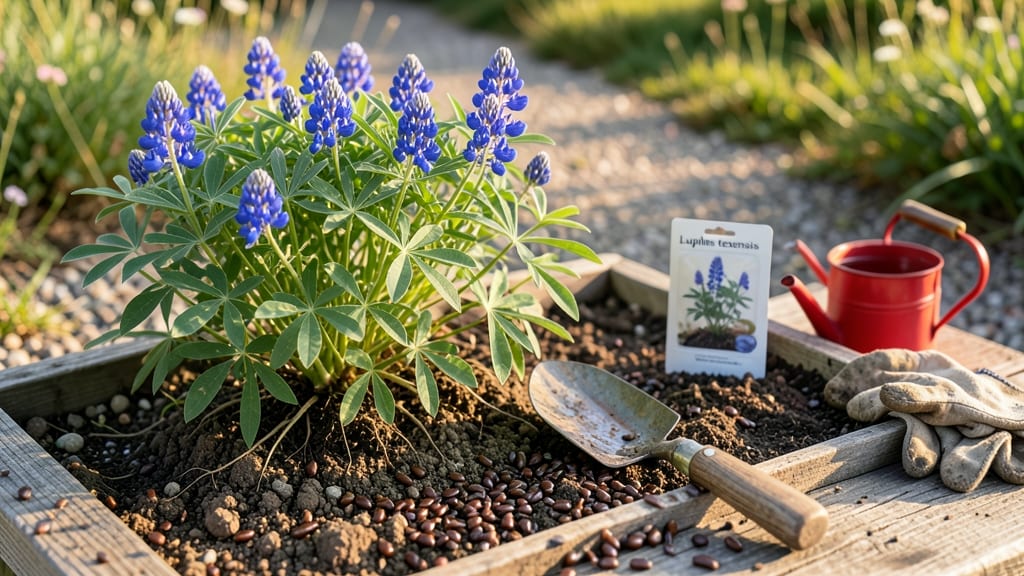
Planting bluebonnet seeds at the wrong time in Houston can mean missing out on those stunning 🌸 blooms next spring—or worse, losing them to frost entirely. The secret to success lies in timing your fall planting just right, when Houston’s mild winters still allow seeds to germinate without freezing over.
Most gardeners make one of two mistakes: planting too early (seeds rot in warm soil) or too late (frost kills them before roots establish). But with Houston’s Zone 9a climate, there’s a sweet spot between September and November where bluebonnets thrive.
I’ll show you exactly when to plant for maximum survival and vibrant spring displays.
Why does timing matter so much? Bluebonnets need cold stratification—nature’s way of breaking seed dormancy—but they can’t handle freezing soil. We’ll cover the ideal window, soil prep tricks for Houston’s heavy clay, and how to outsmart frost to get those iconic blue blooms every year.
Whether you’re creating a wildflower meadow or just adding a splash of Texas charm to your yard, these fall planting tips will give your bluebonnets the best start. Let’s get those seeds in the ground the right way!
Houston’s ideal bluebonnet planting window: exact dates for fall success
Houston’s mild winters and humid subtropical climate create a unique window for planting bluebonnet seeds. Unlike northern regions, we don’t need to rush—fall planting gives seeds time to stratify naturally before winter.
The optimal window spans from mid-September to mid-November, aligning with Houston’s average last frost date of January 15.
Why fall? Bluebonnets (Lupinus texensis) rely on cold stratification to break dormancy. Planting too early (before September 15) risks premature germination from Houston’s lingering summer heat, while waiting until December leaves seeds vulnerable to frost damage before stratification completes.
Here’s the sweet spot for Houston gardeners:
| Planting Window | Soil Temperature | Frost Risk | Germination Timing |
|---|---|---|---|
| Mid-September | 70–80°F (warm) | Low (summer heat) | Stratification begins |
| October (Peak) | 60–70°F (ideal) | Minimal (frost-free) | Best for dormancy |
| November (Latest) | 50–60°F (cooling) | Very low (early winter) | Stratification complete |
🌱 Pro Tip: Aim for October 1–15 for 90%+ germination success in Houston.
For wildflower meadows, scatter seeds after the first frost (typically mid-December) to mimic natural conditions. However, this delays blooms until late spring. If you’re impatient, October planting yields earlier blooms in March.
Houston’s Zone 8a climate means we avoid the freeze risks of northern states, but late November plantings should be lightly covered with straw mulch (1–2 inches) to insulate seeds during unpredictable cold snaps. Even a 28°F night can stunt germination if seeds aren’t protected.
One critical mistake Houston gardeners make? Overwatering after planting. Bluebonnets need minimal moisture to germinate—they rely on natural rainfall and soil moisture retention. Water only if Houston’s dry spells persist for 3+ weeks after planting.
To track your local frost dates, check the National Weather Service Houston or use the Texas A&M AgriLife Extension frost calendar. In 2023, Houston saw a rare January frost—planting in early October ensured my bluebonnets survived unscathed while still blooming by March 10.
For container gardening, plant seeds in late September to give roots time to establish before Houston’s winter humidity spikes. Use well-draining pots (at least 6 inches deep) to prevent root rot from heavy clay soils.
Remember: Patience is key. Bluebonnets may not sprout until late winter (February–March), but this delay ensures robust plants ready to bloom dramatically in spring. Mark your calendar for October 1—that’s Day 1 of your bluebonnet dream!
Houston’s ideal bluebonnet planting window: exact dates for fall success
In Houston’s Zone 9a climate, timing your bluebonnet seeds for October–November gives them the perfect balance of cool soil temps and frost avoidance. Planting too early (before September) risks seed rot from Houston’s lingering summer heat, while late November plantings may face light frost risks.
The goal? Seeds need 60–90 days of cool weather to germinate before spring blooms.
My recommended window is mid-October to early November, when soil temps drop to 50–65°F—ideal for germination without frost stress. This aligns with Houston’s average first frost date (December 15), giving seeds time to establish roots before winter.
For maximum survival, aim for October 15–November 1 as your prime dates.
Here’s why these dates work: Houston’s mild winters mean seeds won’t freeze, but they still need cold stratification (nature’s way of breaking dormancy). Planting too late (after November) delays germination until spring, often resulting in weak, sparse blooms. Early fall plantings (August–September) risk fungal diseases from warm, moist soil.
| Planting Month | Soil Temp (°F) | Frost Risk | Germination Chance |
|---|---|---|---|
| August | 75–85°F | None | Low (fungal risk) |
| September | 65–75°F | None | Moderate (edge case) |
| October | 50–65°F | None | High (ideal) |
| November | 45–55°F | Low (late frost risk) | Moderate |
| December | 40–50°F | High (frost likely) | Low |
For Houston’s specific conditions, I recommend planting in two batches: the first half of your seeds in mid-October and the second half in early November.
This staggered approach ensures some seeds germinate early (for spring blooms) while others wait for ideal conditions. Think of it as an insurance policy against unpredictable weather.
Pro tip: Use a soil thermometer to confirm temps are between 50–65°F before planting. Houston’s heavy clay soil can retain heat longer, so morning planting (when soil is cooler) gives seeds the best start.
Avoid planting after November 15 unless you’re in a warmer microclimate (like near water features or paved areas that stay warmer).
Once planted, resist the urge to water—bluebonnets need cold stratification, which means letting nature handle moisture. Overwatering in fall can rot seeds before they germinate. Instead, let Houston’s natural rainfall do the work, and you’ll see those first 🌸 sprouts in late winter.