
Plants
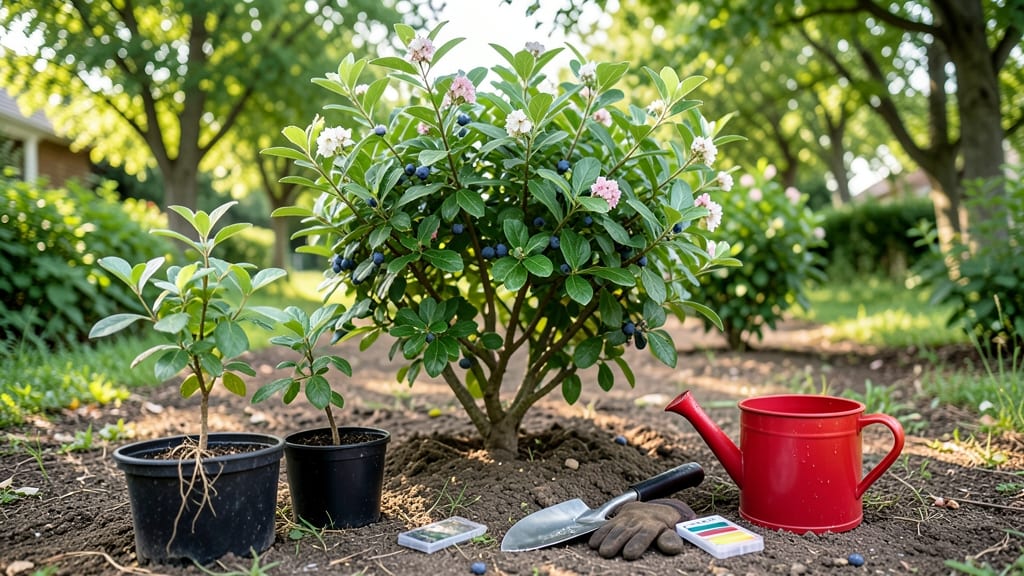
If you're dreaming of a backyard bursting with juicy 🫐 blueberries, when to plant blueberries in Kentucky is the game-changer you don't want to miss. Planting outside the ideal window—whether in late winter or early spring—can leave your bushes struggling to thrive in the state's unique climate.
Kentucky's USDA zones 6a-7a offer a narrow window for success, where cooler temperatures and proper soil prep make all the difference. Whether you're a first-time gardener or a seasoned pro, knowing when to plant ensures your bushes establish strong roots before summer's heat hits.
I'll break down the best times to plant—spring versus fall—and how Kentucky's microclimates can shift your strategy. From avoiding early frost to preparing acidic soil, these insights will help you grow a thriving blueberry patch.
Ready to turn your garden into a blueberry paradise? Let's dive into the optimal planting schedule that works for Kentucky's climate.
Best planting times for blueberries in Kentucky: spring vs. fall breakdown
Kentucky's USDA zones 6a-7a offer ideal conditions for growing blueberry bushes, but timing your planting is critical. The Bluegrass Region (north-central KY) and Pennyrile Region (western KY) have slightly different frost patterns, so understanding these differences will help you choose the best window.
Both spring and fall planting work, but each has distinct advantages and risks.
For spring planting, aim for late February to early April—after the last frost date (typically around March 15 in most of Kentucky). This gives your bushes time to establish roots before summer heat sets in.
However, planting too early can expose young roots to late spring frosts, while waiting too long may delay root growth before the growing season peaks.
Fall planting, on the other hand, offers a 6-8 week window before the first frost (usually mid-November). This allows roots to settle in without competing with summer heat or summer pests.
The key is planting 4-6 weeks before frost—typically late September to early October—so roots have time to harden off before winter dormancy.
Here’s how Kentucky’s microclimates affect timing: In the Bluegrass Region, where winters are colder, fall planting must end earlier (by October 15), while the warmer Pennyrile Region can extend planting slightly later (up to November 1).
Always check your local frost-free days (Kentucky averages 180 days) to adjust accordingly.
Soil temperature is another critical factor. Blueberries thrive when soil temps are between 32°F–50°F. Spring planting should wait until soil warms above 40°F, while fall planting should occur when soil cools below 50°F but before it drops below freezing. Use a soil thermometer to monitor conditions if you’re unsure.
| Factor | Spring Planting | Fall Planting |
|---|---|---|
| Best Time | Late Feb–Early Apr | Late Sep–Early Oct |
| Soil Temp | 40°F+ | 50°F or below |
| Root Growth | Fast (spring flush) | Slow (dormancy prep) |
| Frost Risk | Late frosts | Early frosts |
| Soil Prep | Amend before planting | Amend before planting |
| Watering Needs | High (establishment) | Moderate (tapering off) |
When deciding between spring and fall, consider your local climate patterns. If you’ve had unpredictable late frosts in recent years (like in 2022’s April freeze), fall planting may be safer.
Conversely, if your area has mild winters (like parts of western KY), spring planting could give you a head start. Always err on the side of caution—fall planting is often recommended for beginners because it reduces early-season stress.
Another key consideration is soil preparation. Blueberries are acid-loving plants (pH 4.5–5.5), and Kentucky’s native soil is often alkaline (pH 6.5+). Whether you plant in spring or fall, you’ll need to amend your soil with peat moss, sulfur, or pine needles 4–6 weeks before planting.
This process takes time, so don’t wait until the last minute to adjust your soil’s pH.
For container growing, timing is slightly more flexible. You can plant potted blueberries in late spring (May) or even early fall (September), as containers warm up faster and are easier to protect from frost. However, in-ground planting still benefits from the 6–8 week establishment window before winter dormancy.
Regardless of when you plant, always choose dwarf or semi-dwarf varieties for Kentucky’s climate. ‘Duke’, ‘Tifblue’, and ‘Premier’ are excellent choices—they mature faster and produce fruit sooner than standard-sized bushes. With the right timing and variety, your blueberries could yield their first harvest in just 2–3 years!
Best planting times for blueberries in Kentucky: spring vs. fall breakdown
Kentucky’s USDA zones 6a–7a offer two prime windows for planting blueberries: late winter/early spring and fall. Each season brings unique advantages, but timing directly impacts root establishment and winter survival.
Spring planting (March–April) aligns with Kentucky’s average last frost date around March 15, while fall planting (September–October) lets roots harden before winter. Let’s break down which works best for your region.
Your choice depends on microclimates—Bluegrass Region gardeners often prefer spring, while Pennyrile’s slightly warmer winters favor fall. Both methods succeed, but spring planting gives bushes a full growing season before winter, while fall planting leverages dormancy benefits for stronger root systems.
Kentucky’s humid summers also mean fall planting avoids heat stress during root establishment.
For spring planting, aim to plant 2–3 weeks after your last frost date (typically mid-March in Kentucky). This gives roots time to establish before summer heat.
Test your soil pH (4.5–5.5) and amend with sulfur if needed—Kentucky’s native soil often tests alkaline. Bare-root plants thrive in spring, while container-grown bushes adapt well to both seasons.
Fall planting requires more precision: 4–6 weeks before first frost (usually late September–early October). This window lets roots grow but avoids winter stress. Mulch heavily (4–6 inches) with pine straw or wood chips to insulate roots. Choose dwarf varieties like ‘Top Hat’ for easier winter protection in exposed areas.
Regional adjustments matter—gardeners in western Kentucky’s Pennyrile can plant slightly later (October) due to warmer microclimates, while eastern Bluegrass areas should stick to September. Always check your local frost dates and adjust planting by 2–3 weeks if seasons run early or late.
Whether you choose spring or fall, acidic soil prep is non-negotiable. Blueberries won’t thrive in Kentucky’s native alkaline soil—amend with peat moss or pine fines before planting. Both seasons work, but fall planting often yields faster harvests due to early root establishment.