
Plants
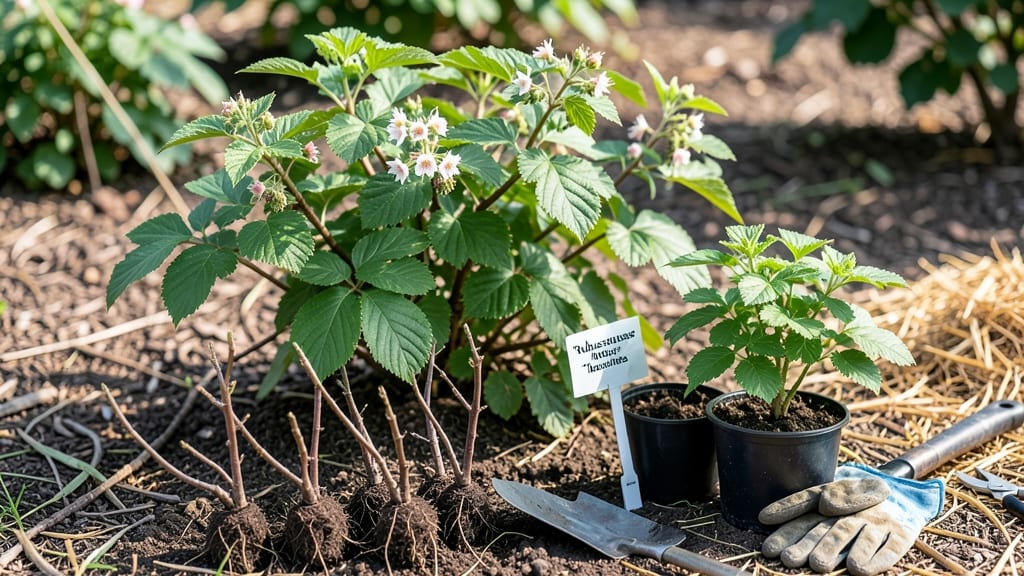
Timing your blackberry 🫐 planting in North Carolina could make or break your harvest—especially when chill-hour needs clash with your local frost dates. One wrong move, and you might end up with weak canes or no fruit at all, despite all your hard work.
Most gardeners in zones 6a-8b swear by planting between September and October, when soil stays warm but summer’s brutal heat has passed. But here’s the catch: some varieties need 500+ chill hours, while others thrive with just 300-400.
Getting this wrong means wasted money and years of frustration.
I’ll break down exactly when to plant—whether you’re going for thornless varieties or traditional types—and how to adjust for your specific microclimate. No more guesswork, just a foolproof schedule tailored to NC’s unpredictable weather patterns.
Ready to turn your blackberry patch into a fruit-bearing powerhouse? Let’s dive into the perfect planting windows that’ll have you harvesting plump, juicy berries from May through August.
North Carolina blackberry planting zones & chill-hour requirements explained
North Carolina’s diverse climate—spanning from the coastal plains to the mountain regions—creates unique challenges for blackberry growers. The state covers USDA Zones 6a to 8b, meaning your planting timing should align with your specific microclimate.
For example, Asheville (Zone 7a) has cooler winters than Wilmington (Zone 8a), so chill-hour needs differ dramatically. Understanding these zones is the first step to avoiding late frosts that can kill young canes.
Blackberries require chill hours (temperatures between 32°F and 45°F) to break dormancy and produce fruit. Southern Highbush varieties need 300-500 chill hours, while Rabbit-Eye types thrive with 500-800 chill hours.
If you’re in Zone 8b (coastal areas), you’ll need low-chill varieties like 'Natchez' or 'Ouachita' to avoid poor fruit set. Use the NC State Climate Office to check your local chill hours before selecting varieties.
Here’s how to verify your microclimate: Check the last average frost date in your area (typically mid-March in the Piedmont and late February in the mountains). Planting too early risks frost damage, while waiting too long may delay first-year harvests.
For fall planting, aim for 6-8 weeks before frost to allow roots to establish before winter.
Soil preparation is equally critical. Blackberries prefer well-draining, slightly acidic soil (pH 5.5-6.5). Amend heavy clay soils with compost or sand, and avoid waterlogged areas. In Zone 7 and below, mulch heavily with straw or wood chips to protect roots during winter.
Coastal growers should also consider windbreaks to prevent salt spray damage.
One common mistake is assuming all blackberries thrive in NC’s heat. Thornless varieties like 'Chester' or 'Arapaho' handle humidity better than traditional types. If you’re in the southeastern part of the state, prioritize disease-resistant hybrids to combat fungal issues like anthracnose.
Always choose bare-root canes from reputable nurseries to avoid introducing pests.
For container growing, select dwarf varieties like 'Prime-Ark Freedom' and use large pots (15+ gallons) with drainage holes. Containers warm up faster in spring, so delay planting until mid-April to avoid root stress.
In-ground plantings should use trellis systems to improve airflow and fruit accessibility, reducing disease risk in NC’s humid summers.
Pro tip: If you’re new to blackberry growing, start with established plants rather than seeds. Bare-root canes planted in late winter (February-March) give you a head start on the growing season.
For fall planting, September is ideal in most of NC, but adjust for your specific frost dates. Always water deeply after planting to encourage root growth.
🌱
📋 Blackberry Planting Requirements by NC Zone
| Zone | Chill Hours Needed | Best Varieties | Planting Window | Key Considerations |
|---|---|---|---|---|
| 6a (Mountains) | 500-800 hours | Chester, Arapaho, Triple Crown | Late Feb-Mar or Sept-Oct | Longer winters; mulch heavily |
| 7a (Piedmont) | 400-600 hours | Natchez, Ouachita, Prime-Ark Freedom | Mid-Mar or Sept | Moderate frost risk; trellis recommended |
| 8a (Coastal) | 300-500 hours | Arapaho, Chester, Florida 47 | Late Mar-Apr or Oct | Low chill needs; watch for humidity |
| 8b (Southeast) | 200-400 hours | Natchez, Florida 47, Primadonna | Apr or Sept-Oct | Heat-tolerant; disease-resistant |
Now that you’ve matched your zone to the right variety, let’s dive into the
Best planting months for NC blackberries by variety (with frost risk alerts)
North Carolina’s diverse climate zones mean your blackberry planting timeline should depend on both variety type and local frost dates. Most gardeners in zones 6a-8b plant between September and October, but thornless varieties like Natchez or Arapaho can handle slightly later dates than traditional types.
For thorny varieties (e.g., Cheyenne or Ouachita), aim for late September to early October—this gives roots time to establish before winter chill sets in. Thornless varieties, however, often tolerate November planting in warmer coastal areas like Wilmington, where frost arrives later.
Here’s the critical rule: Never plant after your area’s first frost. In western NC (zone 7a), this can be as early as November 1st, while eastern NC (zone 8a) may wait until mid-November.
Use the NC State Climate Office’s frost maps to pinpoint your exact risk window.
- 🌱 September (Best for all varieties) – Soil stays warm, reducing transplant shock. Ideal for thorny types needing chill hours.
- 🍂 October (Thornless varieties only) – Works for Natchez, Triple Crown in zones 7b+; avoid in frost-prone areas.
- ❄️ November (Coastal zones 8a-8b) – Risky but possible for heat-tolerant thornless if soil temps stay above 50°F.
- ❌ Avoid February-April – Spring planting stresses plants during active growth phases and increases disease risk.
If you’re in zone 6a (mountains), prioritize early September planting—these areas need 500+ chill hours, and late starts may delay fruiting until July-August. For zone 8b (coastal), stretch planting into early November for extended harvest windows.
Watch for unexpected late frosts in March—these can damage new canes planted in fall. Use row covers or mulch heavily (4-6 inches of straw) to protect young plants during winter temperature swings common in NC’s Piedmont region.
For container growers, plant 2-4 weeks earlier than in-ground—pots heat up faster and dry out quicker. Choose 5-gallon containers with drainage holes and use lightweight potting mix to prevent root stress during NC’s humid summers.