
Plants
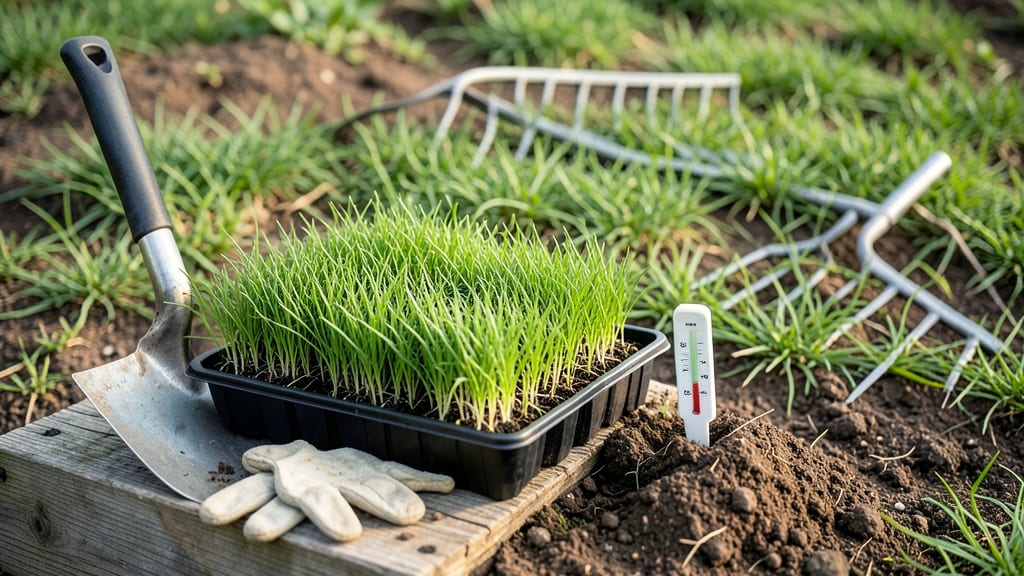
Timing your Bermuda grass planting in Virginia isn’t just about the calendar—it’s about catching that sweet spot between soil warmth and summer’s arrival. Plant too early, and your seeds might rot; too late, and you’ll miss the fast establishment window that gives you that lush, green lawn by summer’s end.
For Virginia’s USDA Zones 6a-8a, the ideal window runs from late April through June, when soil temperatures hit 65°F and stay there. But here’s the catch: Northern Virginia (Zone 6a) plays by slightly different rules than the warmer southern regions (Zone 8a).
I’ve seen firsthand how a few weeks can make or break a Bermuda grass lawn—patchy growth, slow recovery, or even complete failure. The key is understanding your microclimate, soil readiness, and the exact deadlines that separate a fast, thriving lawn from a frustrating wait.
Let’s break down the exact steps to plant Bermuda grass at the perfect moment, tailored to your Virginia zone, so you can skip the guesswork and get results you’ll notice in just 30 days.
Virginia’s USDA zones & Bermuda grass planting deadlines by month
Virginia’s diverse climate—spanning USDA Zones 6b through 8a—means the perfect time to plant Bermuda grass varies by region. In cooler zones like Zone 6b, aim for late spring (May-June), while Zone 8a gardeners can start as early as mid-April.
The key is waiting until soil temperatures hit 65°F+ and stay warm.
For fastest establishment, prioritize late spring to early summer planting. This aligns with Virginia’s 165-200 frost-free days, giving Bermuda grass enough time to root before fall’s cooler temperatures.
In Zone 7a, the sweet spot is mid-May to June 15, while Zone 8a can extend planting into early July.
Missed the spring window? Don’t panic—Bermuda grass can also be planted in late summer (August), though growth slows as temperatures drop. Just ensure 60+ days of warm weather remain before the first frost. In Zone 6b, this means planting by July 15 at the latest.
Here’s a quick breakdown of Virginia’s planting deadlines by zone:
| USDA Zone | Best Planting Window | Last Chance (Late) | Soil Temp Threshold |
|---|---|---|---|
| 6b (Northwest VA) | May 15 – June 15 | July 1 (if soil stays warm) | 65°F+ (consistent) |
| 7a (Central VA) | April 30 – June 15 | July 15 (Zone 7a only) | 60°F+ (minimum) |
| 7b (Richmond Area) | April 15 – June 30 | August 1 (if drought-free) | 65°F+ (ideal) |
| 8a (Southeast VA) | April 1 – July 15 | August 31 (if warm) | 60°F+ (flexible) |
*Deadlines shift 1-2 weeks earlier for sod vs. seeds.
Pro tip: Use a soil thermometer to confirm readiness. Bury it 4 inches deep in full sun for 3 days—if temps stay above 65°F, it’s go time.
In Zone 6b, this often means waiting until late May, while Zone 8a may see ideal conditions as early as mid-April.
For sod installation, Virginia’s timeline shifts slightly earlier than seeds. Sod can handle slightly cooler soil (60°F+) because the roots are already established.
This gives you a 2-3 week head start in cooler zones like Zone 6b, where sod can go in by mid-May while seeds wait until June.
Timing isn’t just about the calendar—it’s about weather patterns. Check your local Almanac for heatwave forecasts. If a 10-day stretch of 90°F+ is predicted, delay planting until temps stabilize. Extreme heat can stress young Bermuda grass, leading to brown patches or poor root development.
In Zone 7a and 8a, where summers are long, you can even plant Bermuda grass in August for a fall establishment. This works best in southern Virginia (e.g., Norfolk, Virginia Beach) where first frosts arrive after November 15.
For these areas, late August planting can yield a full lawn by October.
Remember: Bermuda grass is a warm-season grass, meaning it goes dormant in winter. Planting too early—like March or April in Zone 6b—can leave it vulnerable to late frosts or fungal diseases. Always prioritize soil warmth over calendar dates.
Signs your Virginia soil is ready for Bermuda grass planting (and when to wait)
Before you rush to plant your Bermuda grass seeds or sod, Virginia’s soil must meet three critical conditions: temperature, moisture, and weather stability. Skipping these checks can lead to poor germination or even seed rot—something I’ve seen too many times in my own lawn trials.
First, your soil’s temperature must stay above 65°F for at least 5-7 days straight. In Virginia, this typically happens between late April and early June, but northern zones (like Zone 6a) may need to wait until mid-May. Use a soil thermometer to confirm—this isn’t just guesswork.
Next, check for consistent moisture. Bermuda grass loves water, but soggy soil will suffocate your seeds. Stick your finger 2 inches deep—if it feels damp but not wet, you’re golden.
If it’s bone-dry, wait for a steady rain or water deeply the day before planting to prep the soil.
Watch the weather forecast too. Planting during a heatwave (above 90°F) can dry out seeds too fast, while a cold snap (below 55°F) can shock new growth. Aim for a 5-day stretch with temps in the 70s°F and no rain in the forecast.
Here’s a pro tip: If you’re planting sod, the soil should be warm and slightly dry—this helps the roots establish quickly. For seeds, keep the top inch of soil moist but not soggy for the first 2 weeks to encourage sprouting.
One more red flag: If your lawn already has weeds like crabgrass or clover thriving, your soil might be too cool or nutrient-poor. Bermuda grass struggles to compete in these conditions, so address weeds first with a pre-emergent herbicide or manual removal.
Finally, time it with the moon phases if you’re planting seeds—some gardeners swear by planting during a waxing moon for better root development. Whether you believe in it or not, the science of soil readiness is non-negotiable for a fast, healthy Bermuda lawn.
⚠️ Warning: Planting Too Early or Too Late
Too Early: Soil temps below 60°F cause seeds to rot or sprout weakly. You’ll end up with patchy growth or no growth at all.
Too Late: Planting after mid-June in Virginia means your grass won’t establish before summer’s end, leaving it vulnerable to drought and weeds.
Solution: Use a soil thermometer and wait for consistent 65°F+ temps for at least a week.
If you’ve checked all these boxes, your soil is ready—grab your seeds or sod and get planting! The key is acting fast once conditions align, because Bermuda grass grows aggressively once it gets going.