
Plants
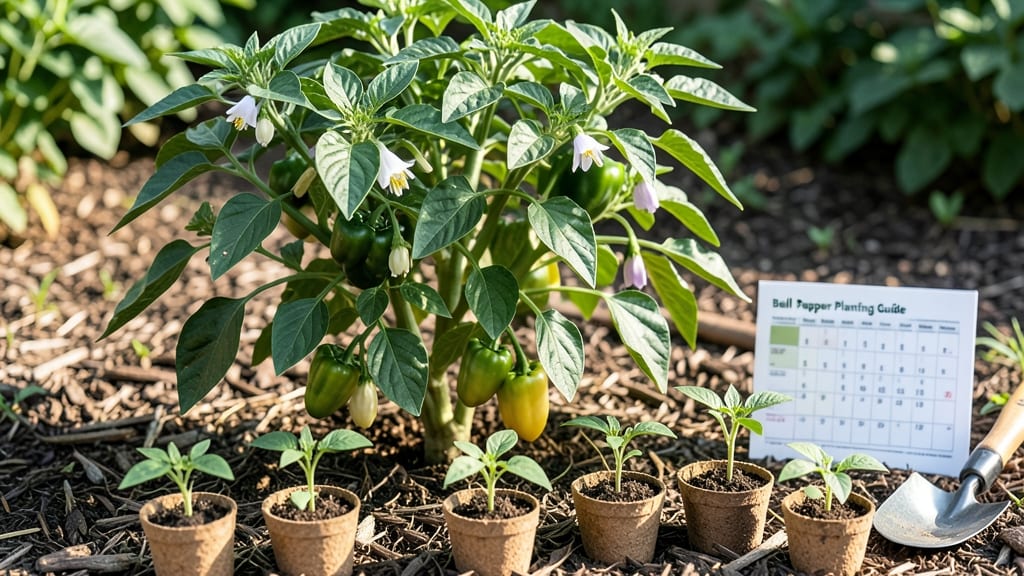
Timing your 🌶️ bell pepper planting in Ohio isn’t just about the calendar—it’s about dodging frost, avoiding bolting, and giving your plants the perfect head start. Get it wrong, and you’ll watch your seedlings wilt or your peppers flower too early.
But nail it, and you’re on track for a bumper crop from July through October.
The key to success in Ohio’s 6a zone starts 6-8 weeks before your last frost—typically around early March—when you begin seeds indoors.
By April 15, your seedlings should be ready to transplant, but only if the soil has warmed to at least 60°F and Mother Nature’s frost danger has passed.
Here’s the game-changer: Southern Ohio’s warmer microclimates can handle transplants a little earlier, while northern regions play it safer until May 15. We’ll break down the exact timeline, plus pro tips to keep your peppers thriving—no guesswork, just science-backed results.
Ready to turn your garden into a pepper paradise? Let’s dive into the frost-free timeline that’ll have you harvesting crisp, flavorful peppers all season long.
Ohio’s bell pepper planting zones: when to start indoors vs. transplant outdoors
Ohio’s USDA Zones 5-6 mean bell peppers face a short growing season—just 165 frost-free days on average. To maximize your harvest, timing is everything.
Start seeds indoors 6-8 weeks before your last frost date (typically March 15-April 1 for most of Ohio), then transplant seedlings outdoors only after May 15, when soil temperatures stay above 60°F.
Northern Ohio (Zones 5a-5b) has earlier frost risks than southern Ohio (Zones 6a-6b). In colder regions like Cleveland, aim for April 20-May 5 transplants, while Cincinnati gardeners can push to May 10-20. Always check your local frost-free date—it’s your golden rule for avoiding frost damage.
Here’s my pro tip: Use a soil thermometer to confirm 60°F+ soil temps before transplanting. Cold soil slows root growth and makes peppers susceptible to disease. I’ve lost entire seedlings in past years by rushing—don’t make my mistake!
| Region | Indoor Start Date | Transplant Window | Key Risk |
|---|---|---|---|
| Northern Ohio (Cleveland, Toledo) | March 15-April 1 | May 15-25 | Late frost |
| Central Ohio (Columbus) | March 20-April 5 | May 10-20 | Variable temps |
| Southern Ohio (Cincinnati, Dayton) | March 25-April 10 | April 25-May 10 | Heat stress |
If you’re direct-sowing (planting seeds outdoors), wait until after Memorial Day—this is my hard-learned lesson from years of seedling losses. Direct-sown peppers take 70-90 days to mature, so you’re cutting it close if planted after June 1.
For a second crop, try fast-maturing varieties like ‘Early Cal Wonder’ (60 days) and plant in late June.
Ohio’s microclimates matter too. Urban areas like Columbus often warm up 2-3 weeks earlier than rural farms. I’ve seen gardeners in southern Ohio transplant as early as April 25 with success, while northwest Ohio gardeners wait until June 1 to avoid late spring frosts.
Use a local weather app to track 10-day forecasts—it’s your best friend for frost-free planting.
One common mistake? Overestimating seedling hardiness. Even if your 6-inch seedlings look sturdy, they’ll wilt instantly in 50°F soil. I’ve seen blackened stems from overnight temperature drops—heartbreaking after weeks of care.
Always harden off seedlings for 7-10 days before transplanting by placing them outdoors in partial shade during the day and bringing them in at night.
For container gardening, start seeds 2 weeks earlier since pots heat up faster in spring. Use black plastic mulch to warm soil 5-10°F faster—this is a game-changer for northern Ohio gardeners.
I’ve added mulch 2 weeks before transplanting and seen soil temps rise 15°F in a week, letting me plant 2 weeks earlier than neighbors without it.
Remember: Peppers hate cold feet. If your soil temp drops below 60°F after transplanting, cover seedlings with frost cloth until temps stabilize. I’ve used row covers for 3-5 days post-transplant in northern Ohio and still gotten full-sized peppers. It’s extra work, but it’s worth avoiding stunted growth.
Your planting deadline is June 15—after that, you’re gambling on bolting (premature flowering) or peppers not maturing before frost. I’ve tried planting in July for a fall crop, but the short daylight hours trigger bolting, and I’ve ended up with tiny, bitter peppers.
Save your energy for spring planting—it’s the only reliable way to maximize your harvest in Ohio’s climate.
Ohio’s bell pepper planting zones: when to start indoors vs. transplant outdoors
Ohio’s USDA Zone 6a climate creates a tricky balance for bell pepper growers—too early, and frost zaps your seedlings; too late, and your plants bolt before producing fruit. The solution? A two-phase planting strategy that accounts for Ohio’s 165 frost-free days and regional microclimates.
Northern Ohio (e.g., Cleveland, Toledo) plays it safe with later transplant dates (after May 15), while Southern Ohio (e.g., Cincinnati, Columbus) can push seedlings outdoors as early as April 25—if soil temps stay above 60°F.
Here’s your zone-specific roadmap to avoid common mistakes like overcrowded seedlings or underdeveloped roots.
| Region | Indoor Start Date | Transplant Window | Soil Temp Check |
|---|---|---|---|
| Northern Ohio (Zone 5b) | March 15–25 | May 15–June 1 | 60°F+ (use soil thermometer) |
| Central Ohio (Zone 6a) | March 1–15 | April 25–May 10 | 60°F+ (warmer microclimates) |
| Southern Ohio (Zone 6b) | February 25–March 10 | April 15–25 | 58°F+ (earlier risk) |
Pro tip: Use black plastic mulch to warm soil faster in cooler zones—this can shave off 1–2 weeks from your transplant timeline. Just bury the edges to prevent weeds and pests from moving in.
For direct sowing (less common but riskier), wait until June 1 in most of Ohio—this gives peppers 90+ days to mature before the first frost. But seedlings always outperform direct-sown peppers in Ohio’s short season.
Remember: Hardening off seedlings for 7–10 days before transplanting is non-negotiable. Skip this step, and your peppers will shock and struggle to recover—wasting your entire season.