
Plants
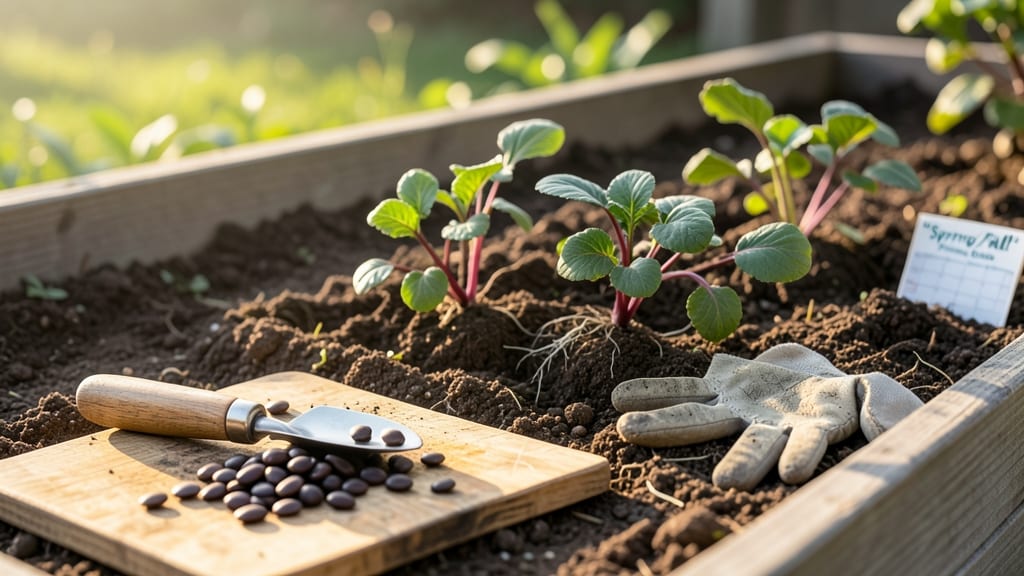
Timing your beet planting in South Carolina isn't just about following a calendar—it's about outsmarting the heat and humidity that can turn your sweet roots into bitter, woody messes.
Whether you're in the coastal lowlands or the Piedmont hills, getting those seeds in the ground at the wrong time means watching your harvest bolt or rot before it matures.
I’ve grown 🍠 beets in SC for years, and the difference between a perfect spring harvest and a frustrating failure often comes down to a 2-week window. Too early, and frost zaps your seedlings; too late, and the summer sun sends them skyward before you can even pull one.
Here’s how to nail those planting dates—no guesswork, just consistent, fast-growing beets.
Most gardeners in zones 7b-9a focus on February-March for spring crops, but that’s just the start. Fall planting in August-September can give you a second harvest before winter sets in, and with the right tricks, you can stretch your season even further.
Let’s break down the exact frost-date math and microclimate tweaks that’ll make your beets thrive.
You’ll learn how to use a simple frost-date calculator, adjust for your specific corner of SC, and even fix common mistakes that derail beet growth. Skip the trial-and-error—this is your no-fail guide to fast, bolt-free beets all season long.
South Carolina beet planting calendar: avoid bolting and maximize yields
South Carolina’s mild winters and hot summers create a tricky timeline for beets. Plant too early, and they’ll bolt from heat stress. Too late, and your harvest gets cut short by frost.
The key? Two planting windows—spring and fall—each with precise timing to match SC’s USDA zones 7b-8b. Let’s break it down by zone and variety.
For spring plantings, aim for 6-8 weeks before your last frost date. In most of SC, that’s mid-February to early March for early varieties like ‘Detroit Dark Red’. Late varieties (70-day) can go in until mid-April.
Fall plantings should start 8-10 weeks before first frost (typically mid-August to early September), with succession plantings every 2-3 weeks until early October.
🌱 Pro Tip: Use a frost-date calculator (like the one from the SC Extension Service) to pinpoint your exact dates. Coastal areas (zone 8a) can plant 2-3 weeks earlier than Piedmont regions (zone 7b).
📅 South Carolina Beet Planting Schedule by Zone
| Zone | Last Frost | Spring Planting | Fall Planting | Harvest Window |
|---|---|---|---|---|
| 7b (Piedmont) | Mid-March | Feb 20 - Mar 15 | Aug 15 - Sep 10 | May-Jun, Oct-Nov |
| 8a (Coastal) | Feb 28 | Feb 1 - Mar 10 | Aug 1 - Aug 25 | Apr-Jun, Sep-Oct |
| 8b (Coastal) | Mar 15 | Feb 15 - Mar 5 | Jul 30 - Aug 20 | Apr-Jun, Sep-Oct |
💡 Note: Adjust dates 1-2 weeks earlier for high-altitude areas (e.g., Upstate).
Choose heat-tolerant varieties like ‘Cylindra’ for summer plantings or ‘Golden’ for milder fall conditions. These handle SC’s 90°F+ days better than traditional types. For succession planting, sow seeds every 2 weeks in spring and 3 weeks in fall to stagger harvests.
🌡️ Watch for: Soil temps below 50°F slow germination. Use row covers or wait until soil warms to 55°F for faster sprouting. In zone 8b, you can even try a winter crop with cold-hardy varieties like ‘Chioggia’, planted in late October for a January harvest.
After planting, maintain consistent moisture—beets need 1 inch of water weekly. Mulch with straw to keep roots cool and prevent bolting. In high-heat zones (like Charleston), provide afternoon shade during July-August to protect young plants.
📅 Mark your calendar: The last window for fall beets is September 15 in most of SC. After that, days shorten too quickly for mature roots. For container growing, use 5-gallon pots and plant 2-3 weeks earlier than in-ground—containers warm faster and dry out quicker.
Bolting is your biggest enemy in SC’s heat. To prevent it, harvest greens first (they’re edible!) or choose bolting-resistant varieties. If your beets start flowering, they’ll develop wooden, tough roots. The fix? Plant a second crop in late summer for a fresh harvest before frost.
How to use a frost-date calculator for beet success in SC (step-by-step)
South Carolina’s frost dates vary wildly from the coastal plain to the Upstate, so using a frost-date calculator is your secret weapon for beet success. Without this tool, you risk planting too early (frost damage) or too late (bolting before harvest).
Let’s break it down into simple steps tailored for SC gardeners.
First, find your USDA hardiness zone (SC ranges from 7a to 8b). Most gardeners in Charleston or Myrtle Beach fall in 8a-8b, while Greenville and Spartanburg are typically 7b-8a. Use the USDA Plant Hardiness Zone Map or a local extension office’s tool to pinpoint your exact zone.
📋 Step-by-Step Frost-Date Guide for SC Beets
- 1. Locate your last frost date: In SC, this typically falls between mid-March (Upstate) and early April (coastal). Use the Old Farmer’s Almanac or Almanac.com for a free, customizable frost-date calculator.
- 2. Count back 60-70 days: Beets need 55-70 days to mature. For a spring harvest, plant seeds 60 days before your last frost (e.g., late January to early March).
- 3. Adjust for microclimates: Coastal areas stay warmer—plant 2-3 weeks earlier than inland zones. Conversely, mountainous regions (like Caesars Head) may need a 1-2 week delay.
- 4. Plan for fall planting: Aim for seeds 90-100 days before your first frost (typically late July to early August for SC). This ensures harvests before mid-November frosts.
- 5. Succession plant every 2 weeks: Sow new seeds every 14 days to stagger harvests and avoid glut. This works for both spring and fall crops.
Pro tip: Save your frost dates in a gardening journal or phone note. SC’s unpredictable weather means last frosts can shift by 1-2 weeks yearly. For example, 2023’s late frost in Columbia delayed planting by 3 weeks—don’t let this happen to you!
Once you’ve nailed your frost dates, choose fast-maturing varieties like ‘Detroit Dark Red’ (58 days) or ‘Babystep’ (50 days) for SC’s shorter spring windows. Slow varieties (like ‘Chioggia’) are better for fall planting when days are longer.
Remember: Heat stress causes bolting, so avoid planting beets when daytime temps exceed 80°F. In SC’s summer heat, focus on fall crops or use shade cloth for early summer plantings. With these steps, you’ll harvest sweet, tender beets twice a year—no guesswork!