
Companion Plants
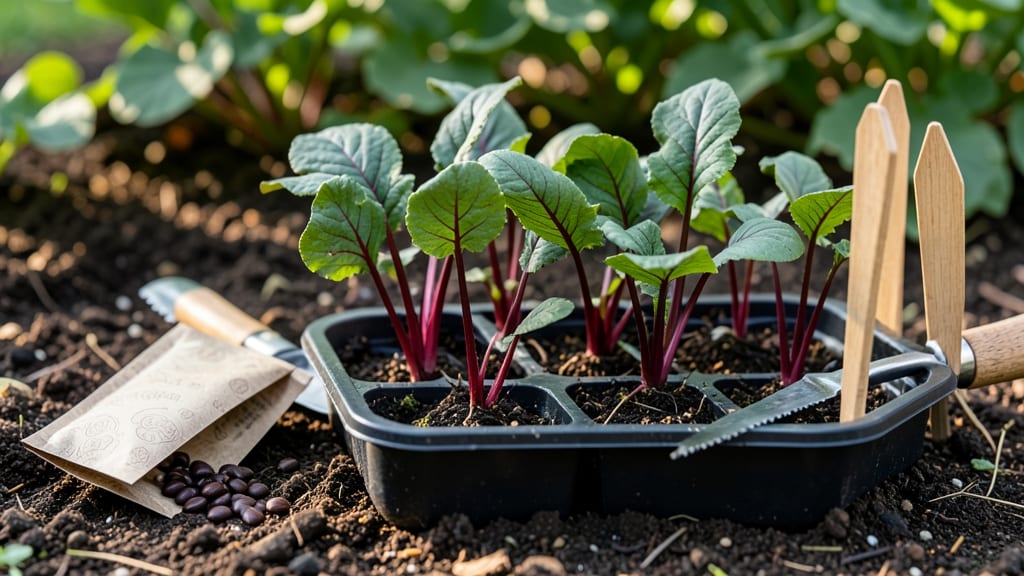
Timing your beet planting in Zone 7 can mean the difference between sweet, tender roots and bitter, tough ones—so let's get this right. The ideal window is early spring (March to April) or late summer (July to August), when soil temperatures hover between 45°F and 85°F for perfect germination.
If you're in Zone 7a/7b, aim to plant 4-6 weeks before your last frost date (around mid-March for 7a, early April for 7b) to avoid bolting. For fall harvests, seed in late summer to enjoy beets until October or November before the first frost hits.
Don’t overlook soil prep—amend with compost to ensure well-draining, nutrient-rich beds. Coastal areas in Zone 7 may have slightly later frost dates, so adjust accordingly. With the right timing and care, you’ll enjoy a steady supply of 🍠 beets all season long.
Ready to dive deeper? I’ll walk you through exact planting schedules, succession strategies, and common pitfalls to avoid—so you can grow beets like a pro.
Best planting windows for beets in Zone 7: weeks before/after last frost
In Zone 7, beets thrive when soil temperatures hover between 45°F and 85°F. Planting too early risks frost damage, while waiting too long can cause bolting (premature flowering) and bitter roots.
The ideal window spans 4-6 weeks before your last frost date in spring and 8-10 weeks before first frost in fall.
For most of Zone 7, that means sowing seeds between mid-March and early April for spring harvests, and again from late July to mid-August for fall yields. Coastal areas may start slightly earlier due to milder microclimates, while inland regions should wait until after average last frost dates.
Here’s how to calculate your exact planting window: Subtract 4 weeks from your last frost date (e.g., if frost occurs April 1, plant by March 1) for spring.
For fall, subtract 10 weeks from your first frost date (e.g., frost on October 15 means planting by August 15).
Soil temperature is critical—use a soil thermometer to confirm it’s above 50°F before planting. Cold soil slows germination, while soil above 85°F stresses beets, reducing sweetness. Aim for 55°F–75°F for optimal growth.
🌱 Pro Tip: Test your soil’s readiness by pressing your finger 1 inch deep—if it feels cool but not frozen, it’s perfect for beet seeds.
📅 Beet Planting Timeline for Zone 7
| Season | Planting Window | Soil Temp | Days to Harvest |
|---|---|---|---|
| Spring | 4–6 weeks before last frost (Mar–Apr) | 50°F–75°F | 50–70 days |
| Fall | 8–10 weeks before first frost (Jul–Aug) | 55°F–70°F | 45–60 days |
🌡️ Note: Coastal Zone 7 may start 1–2 weeks earlier; inland areas should delay by 1 week.
For Zone 7a (colder microclimates), push spring planting to late March to avoid late frosts, while Zone 7b (warmer areas) can start as early as mid-February under row covers. Fall planting in Zone 7a should wrap up by August 15, while Zone 7b can extend to September 1.
Direct-sow seeds ½ inch deep and 1 inch apart, thinning seedlings to 3–4 inches when they’re 2 inches tall. This spacing prevents competition and ensures plump, sweet roots. Use a starter fertilizer (like 5-10-10) at planting to give seedlings a nutrient boost.
🌿 Key Insight: Beets are cool-season crops, so avoid planting when daytime temps exceed 80°F. If summer heat arrives early, opt for shade cloth or wait for fall.
After sowing, maintain consistent moisture—let the top inch of soil dry between waterings to prevent rot. Mulch with straw or grass clippings to retain moisture and suppress weeds. With this schedule, you’ll harvest tender beets from June to November in Zone 7!
Best planting windows for beets in Zone 7: weeks before/after last frost
In Zone 7, timing is everything when planting beets—too early, and frost will damage tender seedlings; too late, and the heat will make them bolting (going to seed) or bitter.
The ideal window is 4-6 weeks before your last frost date in spring and 8-10 weeks before your first frost in fall. For most of Zone 7, that means mid-March to early April for spring and late July to early August for fall.
Beets love cool soil temperatures between 50°F and 70°F for germination. If you plant too early, the soil may still be too cold, delaying sprouts. Wait until the ground warms to at least 50°F—use a soil thermometer to check!
In Zone 7a (colder microclimates), aim for late March; in Zone 7b (warmer areas), early April is perfect.
📅 Pro Tip: Check your local last frost date (usually March 15 for 7a and April 1 for 7b). Plant 4-6 weeks before that date for spring beets. For fall, shoot for 8-10 weeks before your first frost (around October 15 for 7a or November 1 for 7b).
| Planting Window | Ideal Soil Temp | Weeks Before Frost | Zone 7a Date | Zone 7b Date |
|---|---|---|---|---|
| Spring Planting | 50°F–70°F | 4–6 weeks | Mid-March | Early April |
| Fall Planting | 50°F–70°F | 8–10 weeks | Late July | Early August |
If you’re unsure about your exact frost dates, err on the side of caution—plant 2-3 weeks earlier in cooler microclimates (like mountain areas) or 1-2 weeks later in warmer spots (like urban heat islands). Beets are forgiving, but bolting (going to seed) happens fast when temps hit 75°F+, so avoid planting in peak summer heat unless you use shade cloth.
For coastal Zone 7 areas (like parts of Virginia or North Carolina), you might get milder winters—test soil temps and watch for consistent 50°F+ before planting. Inland areas with harsher winters should stick to the mid-March to early April window for spring.
Always harden off seedlings (acclimate them to outdoor temps) for 5-7 days before transplanting if starting indoors.
Once planted, keep soil moist (but not soggy) and thin seedlings to 3-4 inches apart when they’re 2 inches tall. This prevents crowding, which leads to small, misshapen roots. With the right timing, you’ll enjoy sweet, tender beets in 6-8 weeks—perfect for salads, roasting, or pickling!