
Plants
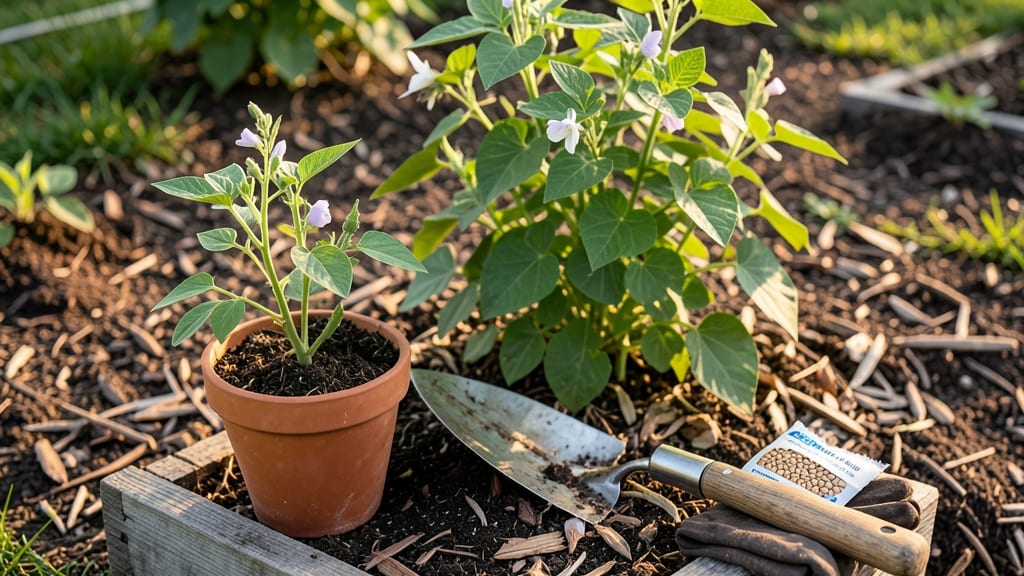
Timing your bean planting in California just right could mean the difference between a bumper crop and a disappointing garden. With frost-free zones ranging from coastal chill to desert heat, knowing when to plant beans in California isn't just helpful—it's essential for success.
Whether you're growing bush beans for quick harvests or pole beans for continuous production, getting the timing right depends on your specific region. Coastal areas like San Francisco may have different ideal windows than inland valleys or desert climates.
I'll break down the best planting windows so you can avoid common mistakes and maximize your harvest.
Soil temperature plays a crucial role—beans need warm ground to thrive, and planting too early can leave them vulnerable to cold snaps. We'll cover how to read your local microclimate signals and choose varieties that match your area's unique conditions.
By the end, you'll have a clear plan for planting beans that works for your corner of California, whether you're in USDA Zone 7 or beyond. Let's get those beans in the ground at the perfect time!
California’s frost-free zones and ideal bean planting windows by region
California’s diverse climate means your bean planting window can start as early as February in Southern California or wait until May in the Sierra foothills. Understanding your USDA hardiness zone and local frost-free dates is key to timing your plantings for success.
Coastal areas like San Francisco (Zone 9b-10a) enjoy longer growing seasons, while inland valleys like the Central Valley (Zone 9a-10b) face hotter summers that demand heat-tolerant varieties.
For most gardeners, the last frost date determines when to plant beans. In Northern California (Zones 7b-9a), aim for April 15 to May 15 for early varieties.
Central California (Zones 9a-10a) can start as early as March 1, while Southern California (Zones 9b-11) offers planting opportunities from February through October. Desert regions like the Coachella Valley (Zone 10b-11) even allow year-round planting with proper irrigation.
Soil temperature is just as critical as air temperature. Beans thrive when soil reaches 60°F (15°C)—use a soil thermometer to check before planting. In cooler zones, wait until nighttime temperatures consistently stay above 50°F (10°C).
For example, in Sacramento (Zone 9a), soil warms to 60°F by early April, while San Diego (Zone 10a) hits this mark by late February.
Here’s how to match your region to the best planting window:
| Region | USDA Zone | Ideal Planting Window | Key Notes |
|---|---|---|---|
| Northern CA (Redding, Chico) | 7b-9a | April 15 - May 15 | Wait for soil at 60°F; frost risk until May. |
| Central CA (Sacramento, Fresno) | 9a-10a | March 1 - April 30 | Plant early varieties first; heat-tolerant types later. |
| Southern CA (Los Angeles, San Diego) | 9b-11 | February - October | Succession plant every 2 weeks for continuous harvest. |
| Desert CA (Palm Springs, Coachella) | 10b-11 | Year-round (with irrigation) | Use shade cloth in peak summer to prevent bolting. |
| Coastal CA (San Francisco, Santa Barbara) | 9b-10a | March 15 - June 1 | Cooler summers extend growing season; choose early-maturing types. |
For bush beans, which mature faster (50-60 days), focus on planting in early spring to avoid summer heat stress. Pole beans, with longer maturity (70-90 days), thrive when planted in late spring to early summer (May-June) to take advantage of warmer soil and longer daylight.
In Zone 10 and above, you can even plant a fall crop (August-September) for a late harvest before cooler weather arrives.
Heat is a bigger threat than cold for beans in California. When daytime temperatures exceed 85°F (29°C), beans may stop flowering or produce poor-quality pods.
If you’re in a hot inland area, opt for heat-tolerant varieties like ‘Rattlesnake’ or ‘California Blackeye’ and provide afternoon shade during peak summer months. Mulching with straw can also help maintain consistent soil moisture and temperature.
Pro tip: Use succession planting every 2-3 weeks to ensure a steady supply of fresh beans. In Southern California, this means planting new seeds every month from February through September. In cooler Northern California zones, limit succession to April through June to avoid fall frosts cutting your harvest short.
Always check your local Cooperative Extension office for microclimate-specific advice. For example, the San Joaquin Valley can be 10°F warmer than nearby foothills, drastically altering your planting schedule. By aligning your bean varieties with your region’s unique conditions, you’ll maximize your harvest potential and avoid common pitfalls.
Best bean varieties for California’s climate and their specific planting timing
California’s diverse climate means not all bean varieties thrive equally. For Northern California, where cooler springs linger, I recommend early-maturing bush beans like 'Contender' or 'Blue Lake'—these handle 50°F soil temps and produce quickly.
In Central California, heat-tolerant varieties like 'Romano' or 'Kentucky Wonder' excel, while Southern California gardeners can stretch the season with late-summer plantings of 'Scarlet Runner' beans.
Pole beans are another game-changer for California gardens. Their vertical growth saves space and extends harvests—ideal for urban gardens or small plots. Varieties like 'Blue Lake Pole' or 'Rattlesnake' thrive in warmer inland regions, while 'Mascotte' handles coastal breezes better.
The key? Choose varieties that match your last frost date and summer heat tolerance.
🌱
Succession planting is a California gardener’s secret weapon. Instead of one big planting, stagger seeds every 2–3 weeks to ensure a steady supply.
For example, in USDA Zone 9, start with early bush beans in March, then follow with pole beans in May and again in July for a fall harvest. This works especially well for pole beans, which can produce for months if supported properly.
Heat can stress beans, so in Southern California’s desert regions, opt for heat-resistant varieties like 'Black Valentine' or 'Dwarf Blue Lake'. These handle 90°F+ temps better than traditional types. Always check seed packets for days to maturity—longer seasons need earlier starts, while shorter varieties can handle late plantings.
For coastal areas, where fog delays warming, use row covers to speed up soil heating. I’ve seen gardeners in Santa Cruz plant beans in mid-April under covers and still get a harvest by June. The goal? Warm soil (60°F+) is more critical than calendar dates.
🌿