
Plants
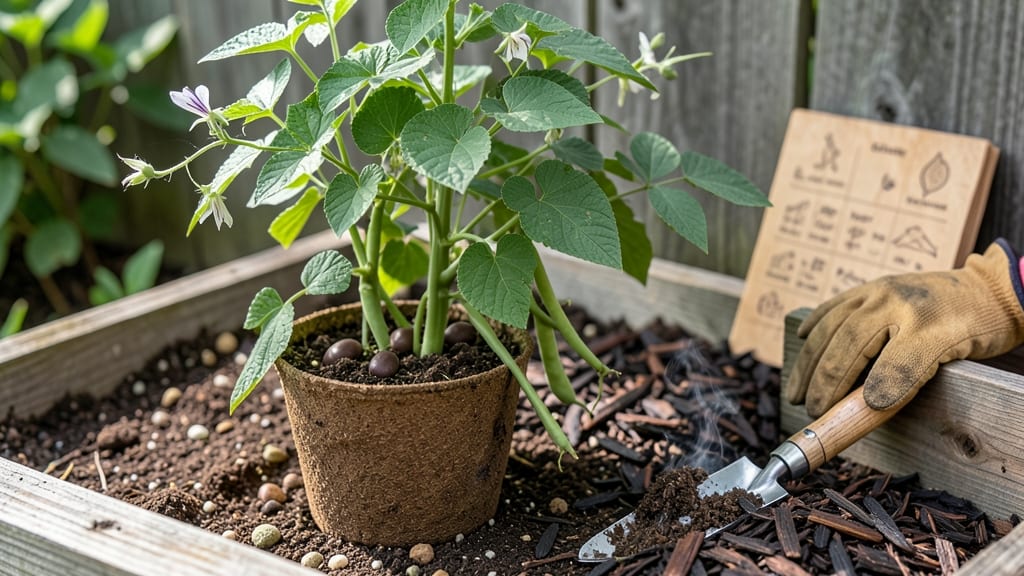
Timing your bean planting in Kentucky can make or break your harvest—especially when unpredictable spring weather throws off your best-laid plans. With USDA zones 6a-7b and frost lingering until mid-April, knowing the exact window to plant 🌱 beans is key to avoiding wasted seeds or stunted growth.
Most gardeners in Kentucky wait until after the last frost, typically between April 15 and June 1, but soil temperature matters just as much as calendar dates. If you plant too early, cold soil can delay germination, while waiting too long risks heat stress before beans even sprout.
In this guide, I’ll break down the perfect planting schedule for your region, including soil temp checks and frost-proofing tips. Whether you’re growing pole beans or bush varieties, these insights will help you time your planting for a bountiful summer harvest—no guesswork required.
Ready to grow beans that thrive? Let’s dive into the exact steps to maximize your yield, from soil prep to succession planting strategies that work in Kentucky’s climate.
Best planting dates for Kentucky beans based on soil temperature
Getting your bean planting right in Kentucky means paying close attention to soil temperatures and frost-free dates. Unlike some crops, beans won’t germinate well in cold soil—aim for 55-65°F for optimal sprouting. Kentucky’s USDA zones 6a-7b give us a 165-day frost-free season, but exact timing varies by region.
Northern Kentucky (e.g., Louisville) typically sees its last frost around April 15, while southern areas (e.g., Lexington) may warm up 1-2 weeks earlier. Always wait 2 weeks after the last frost before planting to avoid seedling damage from unexpected cold snaps.
Here’s a quick guide to align your planting with Kentucky’s soil temperature and regional frost risks:
| Region | Last Frost Date | Ideal Planting Window | Soil Temp Threshold | Notes |
|---|---|---|---|---|
| Northern KY (e.g., Louisville) | April 15 | May 1 - May 15 | 60-65°F | Wait for consistent warmth; late frosts common. |
| Central KY (e.g., Lexington) | April 1 | April 20 - May 10 | 55-60°F | Soil warms faster; start slightly earlier. |
| Southern KY (e.g., Bowling Green) | March 20 | April 1 - April 15 | 55-60°F | Longer growing season; can plant earlier. |
| All Regions (Succession) | N/A | June 1 - July 15 | 60°F+ | Extend harvest with late plantings. |
For pole beans (like Kentucky Wonder), start seeds indoors 4-6 weeks before your last frost date if you’re eager to get a head start. Harden off seedlings for 7-10 days before transplanting to avoid shock.
If you’re unsure about your soil temperature, use a soil thermometer—beans won’t germinate below 50°F. In cooler areas, consider black plastic mulch to warm the soil faster and speed up germination.
Pro tip: Direct-sow seeds after the soil hits 60°F for faster, stronger plants. Avoid transplanting seedlings, as beans hate root disturbance.
Once your beans are in the ground, monitor for consistent moisture—especially during flowering. Drought stress can lead to blossom drop and fewer pods. Aim for 1 inch of water per week, delivered in the morning to reduce evaporation.
Remember, Kentucky’s summer heat can also be a challenge. If temperatures exceed 90°F, provide afternoon shade to protect young plants until they establish deeper roots.
🌱
Best planting dates for Kentucky beans based on soil temperature
Kentucky’s USDA zones 6a-7b create a unique challenge for bean growers—cool springs can delay planting, while summer heat demands quick germination.
The ideal soil temperature for planting beans is between 55°F and 65°F, but most Kentucky gardeners wait until after the last frost date, typically around April 15 in northern regions like Lexington and Louisville.
If you plant too early, cold soil can cause seeds to rot or fail to sprout. Use a soil thermometer to confirm temperatures before sowing—this is especially critical in northern Kentucky, where frosts can linger into May.
For southern Kentucky, like Bowling Green, you can plant as early as mid-March if soil warms quickly.
| Region | Last Frost Date | Ideal Planting Window | Soil Temp Check |
|---|---|---|---|
| Northern KY (Lexington) | April 15 | April 30 - May 15 | 55°F+ |
| Central KY (Louisville) | April 1 | April 15 - May 10 | 60°F+ |
| Southern KY (Bowling Green) | March 15 | March 20 - April 30 | 65°F+ |
For a longer harvest, consider planting in two batches: one in early May and another in late June. This succession planting strategy ensures fresh beans from June through September, even if the first batch faces heat stress.
Always choose a sunny location with at least 6-8 hours of sunlight daily—beans are heavy feeders and need consistent warmth to thrive.
If you’re unsure about your local frost dates, check the National Weather Service or your local Cooperative Extension Service for updates. In Kentucky, microclimates can vary dramatically—even neighborhoods just miles apart may have different frost risks.
For example, higher elevations like those near Corbin often experience later frosts than flatter regions.
Pro tip: Pre-sprout your seeds indoors using a paper towel and plastic bag method. This gives you a 2-week head start and helps you beat Kentucky’s unpredictable spring weather. Once sprouted, transplant seedlings into the garden after the soil warms to 60°F or higher.
Remember, beans are warm-season crops, so they cannot tolerate frost. If a late frost is forecasted, cover young plants with frost cloth or a lightweight row cover to protect them until temperatures stabilize.