
Plants
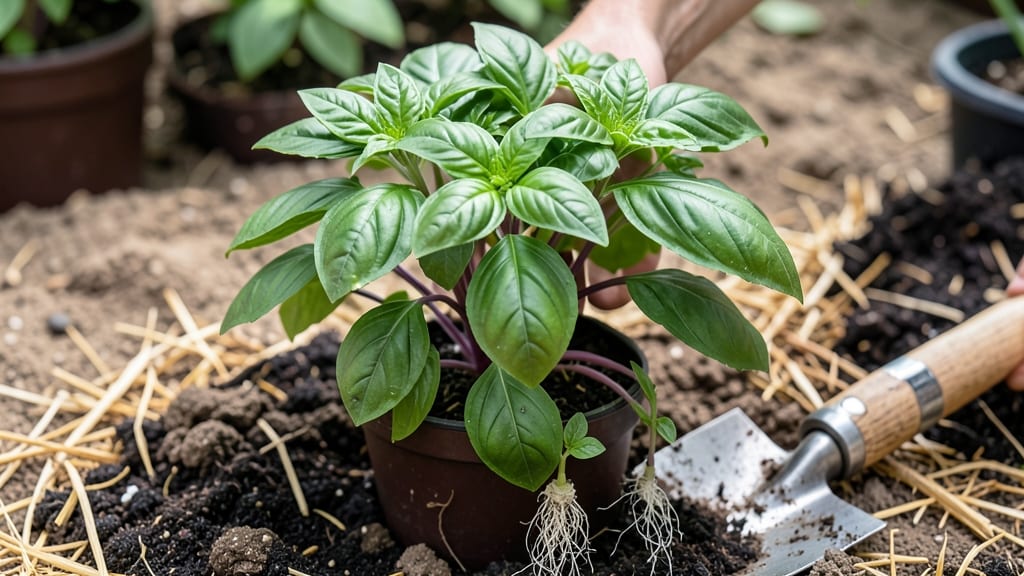
Timing your basil planting in NC isn’t just about avoiding frost—it’s about outsmarting the state’s unpredictable climate to get flavorful leaves instead of bitter bolts.
Whether you’re in the Piedmont’s rolling hills or the Coastal Plain’s humid stretches, getting basil in the ground at the wrong time means sacrificing fresh pesto to the heat.
North Carolina’s 6a-8b zones stretch from the Mountains to the coast, and each microclimate has its own sweet spot for basil. Miss the window by even a week, and you’ll watch your plants race toward flowering before you can harvest a single leaf.
The key? Planting after soil warms to 50°F—usually mid-April to early May—but with a backup plan for fall crops that often thrive longer than spring ones.
I’ve grown basil in NC for years, and the difference between a zero-bolt harvest and a sad, flowering plant comes down to two things: knowing your last frost date (which varies wildly across the state) and adjusting for summer’s relentless heat.
Let’s break down exactly when to plant, how to stretch your growing season, and which tricks keep your basil lush from June through October.
Ready to grow basil that tastes like summer all season? You’ll learn the exact planting windows for your region, how to spot the perfect moment to transplant seedlings, and why fall might just be the best time to start your crop—no frost worries included.
North Carolina basil planting calendar: frost dates by region
North Carolina’s diverse climate zones (from the Coastal Plain to the Mountains) create wildly different frost-free windows for basil. In USDA Zones 7–8, where most of the state falls, timing your basil planting to avoid early frosts and extreme heat is the key to flavorful harvests.
Get the dates wrong, and you’ll end up with bolting plants or stunted growth—neither of which tastes great in your pesto!
Basil thrives in warm soil (at least 50°F) and consistent temperatures above 60°F. In NC, this means waiting until after the last frost (typically mid-April to early May in most regions) or planting a fall crop 4–6 weeks before the first frost.
But since NC’s frost dates vary 1–2 months between regions, let’s break it down by zone.
Here’s the frost-free planting window for basil in NC’s key regions, including ideal transplant dates and heat tolerance thresholds to avoid bolting:
| Region | USDA Zone | Last Frost (Avg.) | First Frost (Avg.) | Spring Planting Window | Fall Planting Window |
|---|---|---|---|---|---|
| Coastal Plain (e.g., Wilmington) | 8a-8b | March 15 | November 30 | April 15–May 15 | August 15–September 15 |
| Piedmont (e.g., Raleigh) | 7b-8a | March 25 | November 15 | April 1–April 30 | August 1–September 1 |
| Mountains (e.g., Asheville) | 6a-7a | April 15 | October 15 | May 1–May 15 | July 15–August 15 |
If you’re in the Coastal Plain, you’ve got the longest growing season—240 frost-free days—so you can even squeeze in two basil crops: one in spring and one in fall.
But in the Mountains, where frost lingers until mid-October, focus on a single spring crop or experiment with container growing to extend the season.
Pro tip: Use a soil thermometer to confirm your soil is at least 50°F before planting. Cold soil slows germination and makes seedlings prone to disease.
I’ve planted basil too early in the Piedmont and ended up with leggy, weak plants that bolted by June—not worth the risk!
For heat-sensitive varieties like Genovese, aim to plant in early May (Coastal) or late April (Piedmont) to avoid the July–August heat spike. If you love Spicy Globe or Thai basil, which handle heat better, you can push planting to mid-May.
Remember, succession planting is your friend in NC. Instead of planting all your basil at once, stagger transplants every 2–3 weeks from April to June. This ensures a continuous harvest and reduces the risk of bolting from overcrowding or heat stress.
One more critical note: Microclimates matter. A spot near a south-facing wall or paved surface can warm up faster than your yard’s average, giving you an earlier planting window.
I’ve seen basil thrive in Raleigh gardens planted in mid-April near brick walls, while the same seeds struggled 20 feet away.
Now that you’ve got your region-specific dates, let’s tackle the next challenge: avoiding bolting in NC’s sweltering summers. Trust me, you’ll want to read this before your basil turns bitter and flowers!
How to avoid basil bolting in NC’s heat: proven timing tricks
North Carolina’s summer heat turns sweet basil into a bitter, flowering mess faster than you can say “pesto.” The moment your plants bolt—sending up tall stems and tiny flowers—their leaves lose their signature flavor and become tough, almost inedible.
But with the right timing tricks, you can delay bolting by 4-6 weeks and enjoy fresh basil straight from your garden through October.
Basil bolts when it senses long days and high temperatures, typically above 85°F. In NC’s Piedmont and Coastal regions, this happens by early July, while mountain areas might see it a week or two later.
The key is to time your planting so your basil matures before the heat peaks, and to use shade and succession planting to stretch your harvest window.
Start by choosing heat-resistant varieties like ‘Genovese Compact’ or ‘Spicy Globe,’ which bolt 2-3 weeks later than standard basil. These varieties are bred to handle NC’s 90°F+ afternoons better than traditional types.
Pair them with soil temperature checks: basil won’t thrive until the soil hits 50°F, usually mid-April in most of NC.
Planting basil too early in cool soil (below 50°F) stunts growth, making plants more susceptible to bolting once heat arrives. Wait until soil warms—use a soil thermometer—and plant after your last frost date (March 15 in Mountains, April 15 in Coastal NC).
To further delay bolting, provide afternoon shade during July and August. Use a 30% shade cloth or plant basil near taller crops like tomatoes or peppers that cast partial shade. This trick can extend your harvest by 3-4 weeks by keeping soil temps cooler and reducing stress on the plants.
For a continuous harvest, practice succession planting: sow new seeds every 2-3 weeks from late April through early July. This ensures you always have young, non-bolting plants ready to harvest.
Pair this with regular pruning—pinch off flowers as soon as they appear to redirect energy to leaf growth.
Finally, water deeply in the morning to keep soil consistently moist (but not soggy). Basil wilts easily in NC’s heat, and stressed plants bolt faster. Mulch with straw or wood chips to retain moisture and regulate soil temperature.
With these tricks, you’ll turn NC’s summer heat into a harvest goldmine instead of a bolting disaster.