
Plants
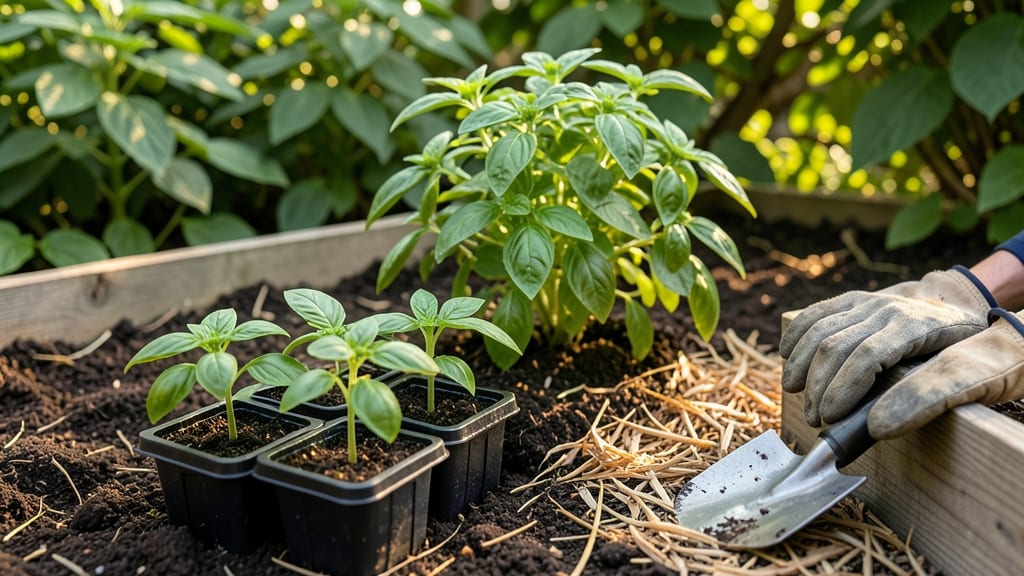
Timing your basil planting in Georgia isn’t just about avoiding frost—it’s about catching that sweet spot between 50°F soil and 90°F heat where your 🌿 thrives without bolting.
Get it wrong, and you’ll either lose your plants to late frosts or watch them turn bitter before you can harvest a single leaf.
In Georgia’s 7a-8b zones, the window is tight: March 15 to May 15 for spring, with a second chance in August-September for fall harvests. But here’s the catch—your county’s last frost date can vary by 2 weeks, and urban heat islands push back planting even further.
I’ll break down the exact dates by region, plus pro tips to stretch your basil’s season—like using row covers or choosing heat-tolerant varieties. Skip the guesswork and learn how to time it perfectly for flavorful, bolt-free basil all growing season long.
Whether you’re in the Piedmont’s cooler hills or the Coastal Plain’s humidity, these strategies will help you dodge common mistakes and keep your basil producing until November. Let’s get started.
Georgia’s frost-free planting zones for basil: exact dates by county
Timing your basil planting in Georgia isn’t just about avoiding frost—it’s about catching the sweet spot between last frost dates and summer heat. Since Georgia spans USDA Zones 7a-8b, your county’s microclimate matters.
Plant too early, and a late frost will wilt your seedlings. Too late, and your basil will bolt before you harvest a single leaf.
Most Georgia counties have their last frost between mid-March and early April, but urban areas like Atlanta (Zone 8a) warm up faster than rural north Georgia (Zone 7a). For zero bolt risk, wait until soil temperatures hit at least 50°F—a soil thermometer is your best friend here.
Here’s the breakdown you need to time your basil perfectly, whether you’re in savannah’s coastal plain or dahlonega’s mountains. These dates align with NOAA frost data and Georgia Climate Project research for 2024 planting:
| Region | USDA Zone | Last Frost Date | Ideal Planting Window | Fall Planting Window |
|---|---|---|---|---|
| North Georgia (e.g., Dahlonega, Blue Ridge) | 7a | April 15 | April 20 - May 10 | August 20 - September 10 |
| Atlanta Metro (Zone 8a) | 8a | March 25 | March 30 - April 15 | August 10 - September 5 |
| Central Georgia (e.g., Macon, Warner Robins) | 8a | March 20 | March 25 - April 10 | August 15 - September 10 |
| South Georgia (e.g., Savannah, Brunswick) | 8b | March 10 | March 15 - March 30 | August 5 - August 20 |
Pro tip: If you’re in Zone 7a (like Chatsworth or Ellijay), consider starting seeds indoors by February 15 for transplanting after April 15. This gives your basil a 4-6 week head start before the last frost—critical for bolting-resistant growth.
For fall basil, the window is tighter. Plant by late August in Zone 8b (like Savannah) or by mid-September in Zone 7a. Your goal is to harvest before first frost (usually mid-November), but heat-loving basil can handle light frosts if protected with row covers.
One common mistake Georgia gardeners make? Planting basil too close to summer. By June 15, temperatures often exceed 90°F, and basil wilts or bolts within weeks. If you miss the spring window, opt for shade cloth (30-50%) to protect leaves during peak heat.
Remember: Basil hates cold soil. Even if air temperatures are warm, soil below 50°F will stunt growth. Use a soil thermometer to confirm readiness—this is your best defense against early bolting.
🌱
How to stretch basil’s growing season in Georgia: extending harvests without risking bolt
Georgia’s short growing season and intense summer heat can turn basil from a flavorful harvest into a bitter disappointment. But with the right techniques, you can extend your basil’s season by 6-8 weeks—without triggering early bolting.
The key? Strategic timing and protective measures that shield your plants from frost and heat stress.
I’ve tested these methods in my own Piedmont garden, where spring frosts linger until mid-April and summer temperatures hit 95°F by June. Whether you’re dealing with late frosts or premature bolting, these proven tactics will keep your basil producing until November—or even later with a little luck.
Here’s how to maximize your basil’s harvest without sacrificing flavor or plant health:
- 🌱 Start seeds indoors 6-8 weeks before your last frost date (use grow lights for 14+ hours/day). Transplant seedlings when soil reaches 50°F and all frost risk has passed.
- 🌡️ Use row covers or cold frames to protect young plants from late frosts (even a 32°F dip can kill basil). Remove covers when temps rise above 55°F during the day.
- ☀️ Provide afternoon shade in July-August with a lightweight shade cloth (30-50%). Basil bolts when stressed by consistent 90°F+ temps, so even partial shade helps.
- 🌿 Harvest aggressively to prevent bolting—pinch off flower buds as soon as they appear. Regularly trimming leaves (every 2-3 weeks) encourages bushier growth and delays flowering.
- 💧 Water deeply in the morning to avoid fungal issues (basil hates wet foliage). Use drip irrigation or soaker hoses to keep soil consistently moist without overwatering.
- 🌱 Plant succession crops every 2-3 weeks from April to July. This ensures a continuous harvest and reduces the risk of bolting from overcrowding.
- 🌡️ Choose heat-tolerant varieties like Thai basil or African blue basil, which handle Georgia’s summer heat better than traditional Genovese basil.
One mistake I see new gardeners make is rushing to plant basil as soon as the ground is workable. But cool soil (below 50°F) will stunt growth, while hot soil (above 85°F) can shock seedlings.
Use a soil thermometer to check temps—aim for 55-75°F for optimal germination and growth.
For fall planting, focus on August-September sowings. By this time, Georgia’s humidity drops and temperatures moderate, giving basil a second chance to thrive. Just be ready to harvest before the first frost (usually mid-November in most counties).
With these strategies, you’ll avoid the bitter, woody taste of bolting basil and enjoy fresh, aromatic leaves from May through October. And if you’re lucky enough to have a microclimate (like a south-facing wall or urban heat island), you might even push your harvest into November!