
Plants
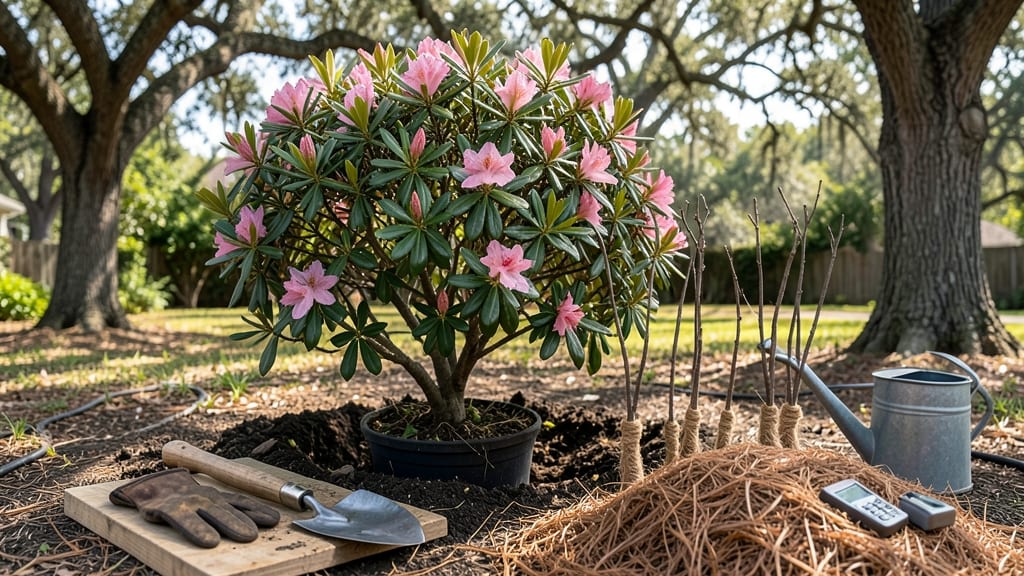
Planting azaleas in Louisiana at the wrong time can turn your dream garden into a wilted disappointment—thanks to our sweltering summers and sticky humidity. The key to thriving 🌸 blooms lies in timing: fall or early spring, when temperatures cooperate and roots can establish without stress.
If you’ve ever watched your azaleas struggle through summer heat or fail to bloom, you’re not alone. Louisiana’s climate demands a strategic approach, and the difference between vibrant shrubs and sad, stunted plants often comes down to when you plant them.
I’ve helped gardeners in zones 8a-9b transform their landscapes with year-round blooms by mastering the perfect planting window. Whether you’re a first-timer or a seasoned grower, these insights will help you avoid common pitfalls and set your azaleas up for success.
Let’s dive into the ideal months, soil prep secrets, and regional tips to keep your azaleas flourishing—no matter how humid the air gets. Your future garden starts with the right timing.
Best planting windows for Louisiana azaleas: fall vs. spring timing
Louisiana’s humid subtropical climate creates unique challenges for azalea planting. Unlike northern states, we can’t rely on a single "best" season—fall and spring both offer advantages, but timing matters more than ever. The key is avoiding summer heat stress and winter cold snaps, which can shock delicate roots.
For fall planting, aim for October through November when temperatures hover between 60-75°F. This gives roots 6-8 weeks to establish before winter dormancy. Meanwhile, spring planting should occur February through March, after the last frost but before April’s rising humidity triggers fungal issues.
🌸 Azalea Planting Comparison
| Season | Ideal Months | Temperature Range | Humidity Consideration | Root Establishment |
|---|---|---|---|---|
| Fall | October-November | 60-75°F | Moderate humidity, drying nights | Excellent (6-8 weeks before winter) |
| Spring | February-March | 55-70°F | Rising humidity, morning fog | Good (4-6 weeks before summer) |
⚠️ Critical: Avoid planting in summer (May-Sept) due to heat stress and fungal risks from high humidity.
Northern Louisiana (USDA Zone 8a) has slightly cooler winters, so late October planting works well. Central and Southern regions (Zone 8b-9a) should plant by mid-November to prevent winter damage. My personal rule: If daytime temps exceed 80°F during planting, wait—roots won’t thrive.
Spring planting requires extra caution in Louisiana. Plant too early (January) and roots may freeze during late-winter cold snaps. Wait until after February 15 (average last frost date) but before April’s humidity spikes. Pro tip: Mulch heavily with pine straw to regulate soil temps.
For container-grown azaleas, timing shifts slightly. These can handle spring planting through April since their roots stay protected. However, bare-root azaleas (common in nurseries) must be planted within 24 hours of purchase to prevent root desiccation in our dry air.
Local nurseries like Brenzel’s Nursery (Baton Rouge) and Azalea Gardens (Mandeville) stock Louisiana-adapted varieties like ‘Southern Indica’ and ‘Hino Crimson’, which thrive in our heat. Always ask for humidity-tolerant cultivars—they’re worth the extra cost!
One common mistake? Planting azaleas too deep. The root flare (where roots meet trunk) should sit just above soil level. In Louisiana’s clay-heavy soils, this prevents waterlogging and root rot. After planting, water deeply (2-3 gallons per plant) to settle soil and eliminate air pockets.
Remember: Azaleas hate transplant shock. In our humid climate, root rot from overwatering is a bigger threat than drought. Stick your finger 2 inches into soil—if it’s damp, wait to water. If dry, give them a slow, deep drink in the morning to prevent fungal growth.
Best planting windows for Louisiana azaleas: fall vs. spring timing
Louisiana’s humid subtropical climate creates a tricky balance for azalea planting—too early, and roots struggle with heat; too late, and they miss the growing window. The optimal planting windows are fall (October-November) or early spring (February-March), when temperatures and humidity are most cooperative for root establishment.
Fall planting is my top recommendation because cooler temps and higher humidity reduce transplant shock. Azaleas planted in October or November have months to establish roots before winter dormancy, giving them a head start for spring blooms.
Spring planting works too, but timing is critical—aim for February or early March, before the last frost (usually around February 15 in most of Louisiana).
Here’s how Louisiana’s three climate zones influence planting: North Louisiana (Zone 8a) has cooler winters, so late fall (November) or early spring (March) works best. Central Louisiana (Zone 8b) thrives with October or February plantings, while South Louisiana (Zone 9a) benefits from September-October or January-February to avoid summer heat stress.
| Factor | Fall Planting (Oct-Nov) | Spring Planting (Feb-Mar) |
|---|---|---|
| Temperature Range | 60-75°F (ideal for root growth) | 50-65°F (avoid heat stress) |
| Humidity Impact | High humidity helps soil moisture retention | Lower humidity reduces fungal risks |
| Root Establishment | 6-8 weeks before dormancy | 4-6 weeks before summer heat |
| Bloom Timing | Next spring (full bloom potential) | Current year (delayed if planted late) |
| Best For | Established gardens, long-term growth | Quick color, container plantings |
Avoid planting azaleas in summer (June-August)—the intense heat and humidity create heat stress and increase fungal diseases like root rot. Even spring plantings after March 15 risk stunted growth as temperatures climb. For container-grown azaleas, fall planting is especially critical—they dry out faster in summer heat.
Pro tip: If you must plant in late spring (April-May), choose early-morning hours (before 10 AM) to reduce heat shock. Always water deeply after planting and mulch heavily (3-4 inches) to retain moisture in our humid climate.
Louisiana’s regional nurseries often stock humidity-adapted varieties like Encore Azaleas or Southern Indica—these thrive in our conditions when planted at the right time. Check with local experts for pH-tested soil (azaleas need 4.5-6.0) before digging in.