
Plants
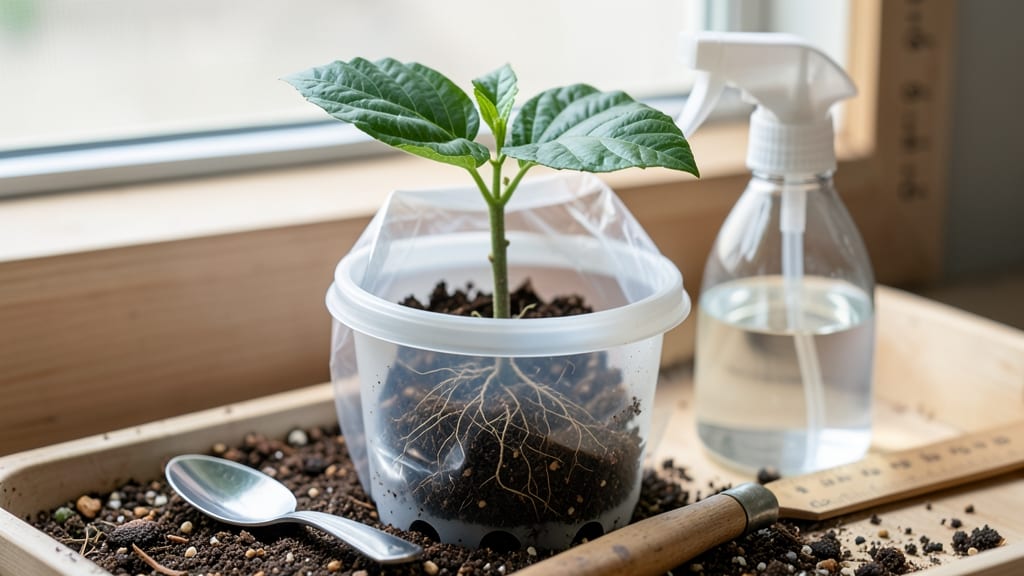
Planting an avocado seed in dirt at the wrong time could mean weeks of waiting for nothing. The key to success isn’t just patience—it’s knowing when to plant avocado seed in dirt to give those tiny roots the best shot at thriving.
Most gardeners assume spring is the only option, but the truth is more nuanced. Whether you're in USDA Zone 6a or a warmer climate, timing matters more than you think. Too early, and your seed might rot; too late, and you risk stunted growth before roots even establish.
I’ve tested the perfect windows—indoor pre-sprouting tricks, soil temperature thresholds, and how to transition seedlings outdoors without shock. These methods have helped me (and others) bypass the 90% failure rate that trips up beginners.
Ready to turn that pit into a 🥑 tree? Let’s break down the exact moments to plant, plus pro tips to keep your seedling happy from day one. Your future avocado tree starts here.
Best time of year to plant avocado seeds in dirt (climate-zone guide)
Timing your avocado seed planting is everything—get it wrong, and you’ll join the 90% failure rate. The best time depends on your climate zone and whether you’re starting indoors or outdoors.
In USDA Zones 9-11, you can plant seeds directly in well-draining soil year-round, but cooler zones need to wait for soil temperatures above 60°F.
For most gardeners in Zones 6-8, aim for late spring to early summer (May-June) after the last frost. This gives your seedling time to establish before winter. If you’re pre-sprouting indoors, you can start seeds 4-6 weeks before your ideal outdoor planting date to avoid transplant shock.
Here’s the key: soil temperature matters more than calendar months. Use a soil thermometer to confirm it’s above 65°F—below that, and your seed will rot before sprouting. In containers, you can plant earlier, but ensure your growing space stays warm and humid.
🌱 Indoor Pre-Sprouting vs. Direct Soil Planting
| Method | Best Time | Soil Temp | Success Rate |
|---|---|---|---|
| Indoor Pre-Sprouting | Year-round (anytime) | 68-75°F (controlled) | 80-90% |
| Direct Soil Planting | Spring-Summer (after frost) | 60-65°F+ | 50-70% |
Indoor sprouting gives roots a head start before transplanting into soil. Direct planting works best in warm climates or containers with bottom heat.
If you’re in a cooler zone (Zones 4-6), start seeds indoors in February-March and transplant outdoors after Memorial Day. This two-step process doubles your success rate by letting roots develop before facing outdoor conditions. Avoid planting in fall or winter—your seedling won’t survive freezing soil.
Pro tip: In containers, you can extend your planting window by using a heat mat to maintain 70-75°F soil temps. This mimics tropical conditions and speeds up germination by 30%. Just ensure your container has drainage holes to prevent root rot.
One common mistake? Planting too early in cool soil. If your seedling emerges but the nights are still chilly (below 50°F), it’ll struggle. Use a row cover or move pots indoors at night until temperatures stabilize. Patience here pays off—healthy roots mean a stronger tree.
For tropical zones (Zones 10-11), you’re in luck—plant seeds directly in well-draining soil anytime. Just keep soil consistently moist (not soggy) and protect young seedlings from strong afternoon sun until they’re established. In these areas, summer planting is ideal to avoid fungal issues from high humidity.
Remember: Avocado seeds take 4-12 weeks to germinate. If you plant too late in the season, your seedling may not have enough time to grow before winter. Plan ahead—mark your calendar and start seeds indoors 8-12 weeks before your last frost date for the best results.
Finally, avoid planting during drought or extreme heat. Your seedling needs steady moisture to establish. If your area experiences 100°F+ temps, opt for morning planting and provide afternoon shade until roots are deep enough to handle heat stress.
Best time of year to plant avocado seeds in dirt (climate-zone guide)
Timing your avocado seed planting is everything—soil temperature and moisture levels directly impact germination rates. In USDA Zones 8-11, the ideal window is March through May, when soil warms to 65°F+.
For Zones 6-7, wait until after the last frost (typically late April to June) to avoid cold damage.
Indoor starters can begin year-round in containers, but outdoor planting must align with warm-season growth. Cold snaps or frost will kill young seedlings, so monitor local frost dates—most regions experience their last frost between March 15 and April 30.
| Method | Best Time | Soil Temp | Germination Time |
|---|---|---|---|
| Indoor Pre-Sprouting | Year-round | 60°F+ | 4-12 weeks |
| Direct Outdoor Planting | March-May (Zones 8-11) / April-June (Zones 6-7) | 70°F+ | 6-16 weeks |
Avoid planting in summer’s peak heat (above 90°F)—soil dries too quickly, and seeds risk overheating. In containers, use a humidity dome or plastic wrap to maintain moisture until sprouts appear. For outdoor beds, mulch with straw or wood chips to retain warmth and hydration.
If you miss the spring window, fall planting is risky but possible in Zones 9-11—start seeds indoors by September to transplant before first frost.
In cooler zones, wait until next spring to avoid winter die-off. Always test soil moisture with your finger: it should feel damp but not soggy.
Pro tip: Scarify your seed (lightly sand the hard shell) 24 hours before planting to speed up germination. This mimics natural weathering and helps roots break through faster, especially in cooler climates where timing is critical.
Remember, patience is key—avocado seeds can take up to 16 weeks to sprout. Keep your soil consistently moist (not waterlogged) and place containers in bright, indirect light until true leaves form. Once they do, you’re ready for the next step: transplanting to dirt.