
Plants
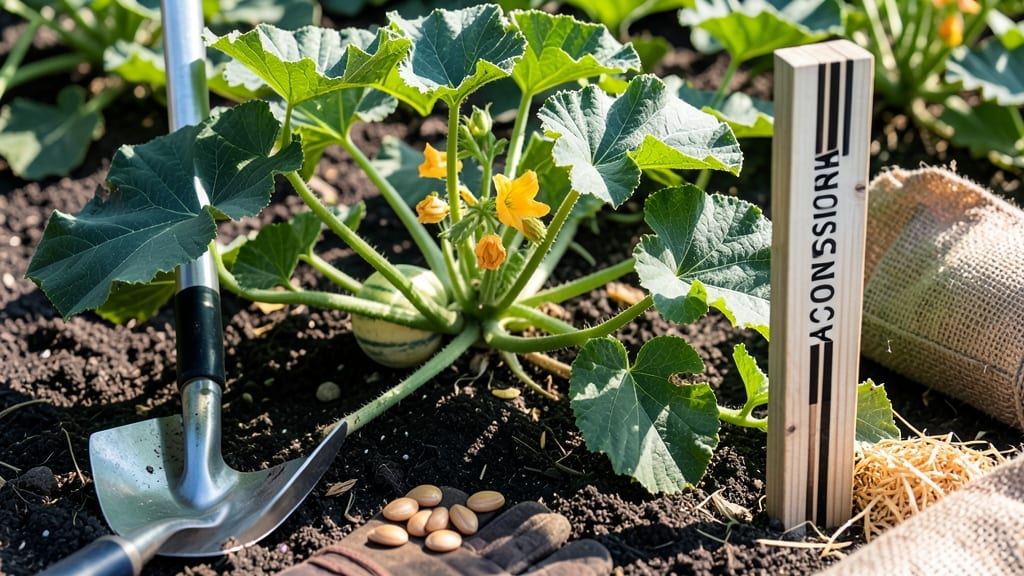
If you’ve ever planted acorn squash 🎃 in Florida only to watch it wilt under the summer sun, you’re not alone—but the fix is simpler than you think.
The key to a thriving harvest lies in planting at the right time, when temperatures are just warm enough to avoid stressing your plants.
Florida’s long growing season means you’ve got two prime windows to plant acorn squash: early spring and late summer. Skipping these timelines can leave your plants fighting heat stress or frost risks, especially in zones 8a-11.
I’ll break down the exact months to plant, plus pro tips to keep your squash happy and productive.
Whether you’re a seasoned gardener or just starting, getting the timing right makes all the difference. You’ll learn how to align your planting with Florida’s climate quirks—so you can enjoy a bumper crop without the guesswork.
Let’s dive into the best strategies to plant acorn squash in Florida and avoid the common mistakes that sabotage harvests. Your future squash patch starts here!
Best planting windows for acorn squash in Florida’s climate zones
Florida’s unique climate—with its long growing seasons and frost-free winters—lets you grow acorn squash twice a year. But timing is everything. Plant too late in spring, and your squash wilts under 90°F+ heat.
Plant too early in fall, and hurricanes or early cold snaps ruin your crop. The key? Two strategic windows that align with Florida’s North, Central, and South zones.
Acorn squash thrives when soil temperatures hit 60°F+ and nights stay above 55°F. In Florida, this means starting seeds indoors or sowing directly in March-April for spring harvests and August-September for fall harvests. But don’t just pick a month—your USDA zone (8a–11) dictates the exact timing.
For example, North Florida gardeners (like those in Jacksonville) must plant earlier than South Florida gardeners (like those in Miami) to avoid summer’s brutal heat.
Here’s the breakdown by zone, including soil temp requirements and heat tolerance thresholds to prevent summer scorch:
Pro tip: Use a soil thermometer to confirm temperatures before planting. If your soil hasn’t warmed to 60°F by the ideal window, start seeds indoors 3–4 weeks early. For North Florida, this means sowing seeds by February 15 for a spring transplant.
For fall harvests, aim to plant 85–100 days before your first frost date. In South Florida, this means you can push planting into late August for a November–December harvest. But watch for hurricane season—protect young plants with row covers if storms are forecasted.
One common mistake? Planting acorn squash in June or July for a summer harvest. The intense heat causes flowers to drop, and vines struggle to set fruit. Instead, focus on spring and fall windows, and use shade cloth (30–50%) if you must plant in late summer.
Ready to plant? Next, we’ll cover how to extend your growing season with mulch, shade, and companion plants to protect your squash from Florida’s merciless sun and unpredictable weather.
Best planting windows for acorn squash in Florida’s climate zones
Florida’s unique climate—with its long frost-free growing season and intense summer heat—demands precise timing for planting acorn squash. Unlike cooler climates, Florida gardeners must avoid the peak summer months (June-August) when temperatures often exceed 90°F, causing heat stress and poor fruit set.
Instead, focus on spring and fall planting windows that align with your specific USDA zone.
Acorn squash thrives when soil temperatures hover between 60°F and 75°F. In Florida, this typically means planting in March-April for spring harvests or August-September for fall harvests.
However, your exact timing depends on whether you’re in North Florida (Zone 8a), Central Florida (Zone 9a), or South Florida (Zone 10a-11). Let’s break it down by region to maximize your chances of success.
| Region | Best Planting Window | Soil Temp Requirement | Heat Risk | Harvest Window |
|---|---|---|---|---|
| North Florida (Zone 8a) | March 15 - April 15 (spring) or August 15 - September 15 (fall) | 60°F - 75°F | High in July-August | June-July (spring) or November (fall) |
| Central Florida (Zone 9a) | February 28 - April 1 (spring) or August 1 - September 10 (fall) | 65°F - 80°F | Moderate in June-July | May-June (spring) or October-November (fall) |
| South Florida (Zone 10a-11) | January 15 - February 28 (spring) or July 15 - August 31 (fall) | 70°F - 85°F | Low year-round | April-May (spring) or September-October (fall) |
For North Florida gardeners, the spring window is critical—planting after the average last frost date (February 15) ensures seedlings aren’t shocked by late cold snaps. In Central Florida, you can push planting slightly earlier in spring but must avoid May when temperatures start climbing.
Meanwhile, South Florida’s mild winters allow for year-round planting, though summer heat still requires careful management.
Pro tip: Use a soil thermometer to confirm temperatures before planting. Acorn squash seeds won’t germinate well below 60°F, and soil that’s too hot (90°F+) can cause poor germination and seedling stress.
If your soil is too cold, opt for black plastic mulch to warm it faster—this is especially useful in North Florida’s cooler springs.
Timing isn’t just about months—it’s also about moon phases. Planting during the waxing moon (when the moon is growing brighter) can encourage faster germination and stronger root development.
Pair this with your optimal planting window, and you’ll give your acorn squash the best possible start in Florida’s challenging climate.
Once you’ve nailed the planting window, the next challenge is protecting your plants from Florida’s summer heat. Stay tuned for our next section on extending the growing season with shade cloth, mulching, and companion planting—key strategies to keep your acorn squash thriving even when temperatures soar.