
Plants
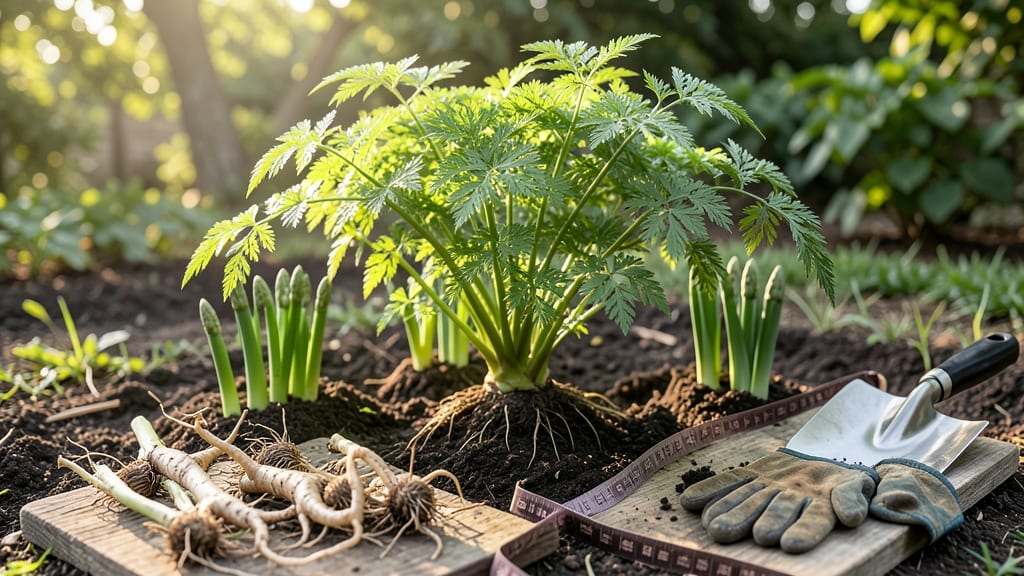
Knowing when to plant asparagus in Zone 9 is the difference between a thriving garden and years of waiting for those first sweet spears.
Unlike cooler climates, Zone 9’s warm winters and scorching summers demand a smarter approach—plant too early, and your crowns rot; too late, and summer heat stunts growth before it even starts.
For gardeners in Southern California, Phoenix, or Las Vegas, the perfect window isn’t just about seasons—it’s about soil temperature and avoiding the brutal midday sun.
I’ve tested the best times to plant 🌱 asparagus here, so you can skip the guesswork and get spears in just 2-3 years instead of waiting forever.
Here’s the game-changer: Planting in late winter (January-February) gives your roots time to establish before summer’s heat kicks in. But there’s more to it—like choosing the right variety, prepping soil just right, and using mulch to keep roots cool.
Let’s break down the exact steps to set your asparagus up for success.
Whether you’re a first-time gardener or a veteran with a few failed attempts, these tips will help you avoid common mistakes and grow asparagus that’s ready for harvest by spring. Ready to dig in?
Ideal planting windows for asparagus in Zone 9: soil temp and seasonal rules
Zone 9 gardeners have two prime windows to plant asparagus: late winter (January-February) or early fall (September-October). The key difference? Soil temperature—asparagus crowns need 60-70°F soil to establish roots without stress. Summer planting is a no-go; the 100°F+ heat will fry young roots before they take hold.
Fall planting (September-October) gives roots a head start before winter rains. The cool, moist soil encourages strong root growth while avoiding summer’s heat. Spring planting (January-February) works too, but requires consistent moisture as temperatures rise.
Both methods yield harvests in 2-3 years, but fall-planted crowns often outperform spring-planted ones in Zone 9.
Here’s the critical rule: Never plant asparagus when soil temps exceed 80°F. Use a soil thermometer to check—if it’s hotter than a summer sidewalk, wait. The root zone must stay cool enough for cell division to begin.
In my own Phoenix garden, I’ve seen crowns planted in May simply bake in the ground until they rot.
Zone 9’s mild winters mean asparagus can grow year-round, but the best harvests come from crowns planted in fall or early spring. The plant enters a dormant phase in summer, so timing your planting to avoid that heat is everything.
Think of it like scheduling a marathon—you wouldn’t run it in July, would you?
For fall planting, aim for 6-8 weeks before first frost (though Zone 9 rarely gets frost). This gives roots time to establish before winter slows growth. In spring, plant as soon as soil temps drop below 75°F—usually by late January.
Pro tip: Water deeply after planting to settle soil around the roots.
Here’s what happens if you plant at the wrong time:
- Summer planting → Roots suffocate from heat
- Late spring planting → Slow growth, weak crowns
- Winter planting → Roots stay dormant too long
🌱 Comparison Table: Fall vs. Spring Planting in Zone 9
| Factor | Fall Planting (Sep-Oct) | Spring Planting (Jan-Feb) |
|---|---|---|
| Soil Temp | 60-70°F (ideal) | 55-65°F (cooler) |
| Root Establishment | 6-8 weeks before dormancy | 8-12 weeks before heat stress |
| Water Needs | Moderate (winter rains help) | High (spring drought risk) |
| First Harvest | Year 2 (March-April) | Year 2 (April-May) |
| Heat Risk | Low (avoids summer) | Moderate (spring heat builds) |
| Best For | Zone 9’s dry climates | Cooler microclimates |
✅ Fall planting is often superior in Zone 9 due to cooler soil and reduced heat stress.
After planting, mulch heavily with 4-6 inches of straw or wood chips to lock in moisture and regulate soil temperature. In my Los Angeles garden, mulch kept soil temps 10°F cooler during spring’s heat spikes. Without it, young crowns wilted before roots could establish.
One common mistake? Planting too shallow. Asparagus crowns need 6-8 inches of soil coverage—any less and they’ll dry out. Use a trowel to bury crowns deeply, then water thoroughly. In sandy soils (common in Zone 9), add compost to improve water retention.
Remember: Patience is key. Asparagus is a perennial, meaning it takes 2-3 years to mature. But with the right planting window, you’ll enjoy harvests for 15+ years. That’s a lifetime of spears from a single planting!
How to time your asparagus planting for maximum first-year root growth
Timing your asparagus planting in Zone 9 isn’t just about picking a month—it’s about giving those delicate roots the perfect conditions to establish before summer’s heat arrives. In my experience, planting too early or too late can stunt growth, leaving you with weak spears or even failed crops.
The key? Plant when soil temperatures hover between 60-70°F and avoid the peak summer heat.
For Zone 9 gardeners, the sweet spot is typically late winter to early spring, specifically between January and February. This window allows roots to develop before the soil warms up, reducing stress on young plants.
But there’s a trick: if you’re in a particularly hot microclimate (like inland desert areas), consider planting in late summer (August-September) instead. This lets roots establish during the cooler months before winter dormancy.
- Use a soil thermometer to check temperatures at 6 inches deep. Aim for 60-70°F—any hotter, and roots struggle to form.
- If soil is too warm (above 75°F), delay planting until temperatures drop naturally or use shade cloth to cool the bed.
- Amend soil with compost and a balanced fertilizer (10-10-10) to boost nutrient availability.
- Plant crowns 6-8 inches deep in trenches, spacing them 12-18 inches apart for optimal airflow.
- Apply a 3-inch layer of mulch (straw or wood chips) to retain moisture and regulate soil temperature.
- Avoid mulching too early—wait until roots are established (about 4-6 weeks post-planting) to prevent rot.
- Water deeply 2-3 times per week for the first month, then taper to weekly deep watering once roots are established.
- Avoid overhead watering—use drip irrigation to keep foliage dry and prevent fungal diseases.
One common mistake I see in Zone 9 is planting asparagus in late spring or summer. The intense heat causes crowns to dry out or rot before roots can establish. Even if you’re eager to get started, patience pays off—waiting for cooler soil temps ensures stronger plants.
If you’re in a rush, consider starting asparagus indoors in late winter and transplanting when conditions improve.
Microclimates play a huge role in Zone 9. Coastal areas (like San Diego) can plant slightly later due to cooler ocean breezes, while inland deserts (like Phoenix) should plant earlier to avoid summer heat.
Pay attention to your local microclimate—shady spots under trees or near buildings can be 5-10°F cooler than open sun, making them ideal for late-summer planting.
Pro tip: If you miss the ideal window, don’t panic. Asparagus crowns can tolerate short-term heat if kept consistently moist. Just adjust your watering schedule to daily deep soaks until soil temps cool down.
With the right timing and care, you’ll be harvesting plump spears in just 2-3 years—not the 5-6 years some gardeners experience when planting at the wrong time.
Remember, asparagus is a perennial investment. The first year is all about building roots, so focus on soil prep, mulching, and watering rather than harvests. By following these steps, you’ll set your asparagus up for decades of productivity in even the hottest Zone 9 climates. 🌱