
Plants
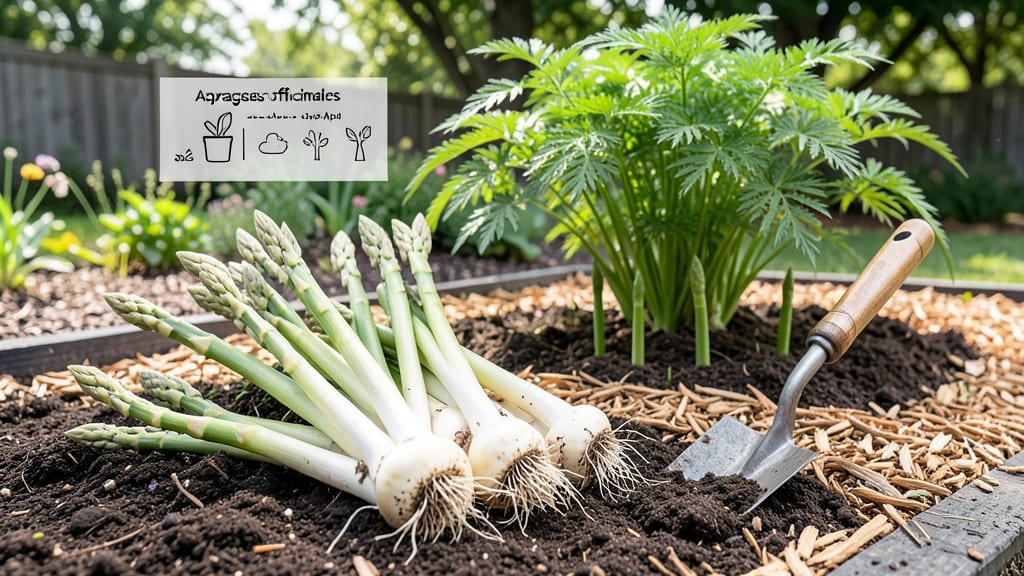
Planting asparagus in Illinois at the wrong time could mean wasted effort—frost can kill tender crowns, and late starts delay those prized spears for years. The key to success lies in understanding your zone's 5-6 climate and soil conditions, which I'll break down for you.
For most Illinois gardeners, early spring—between March and April—is the sweet spot. This window lets asparagus roots establish before summer heat arrives, setting the stage for a 3-year payoff when harvests begin. But timing isn't just about months—soil temperature and frost dates play critical roles too.
You might wonder whether to plant crowns or seeds. While seeds take longer to produce spears, crowns give you a head start—just bury them 6-8 inches deep in well-drained soil. I'll share my go-to method for preparing Illinois' often-heavy clay soil to ensure your asparagus thrives from day one.
Let's dive into the exact steps to plant asparagus in your Illinois garden, from soil prep to avoiding common mistakes that could ruin your harvest before it even begins.
Best months to plant asparagus in Illinois by hardiness Zone
Timing your asparagus planting in Illinois depends heavily on your USDA hardiness zone, which ranges from Zone 5 in northern regions to Zone 7 in southern areas. The key is planting when soil temperatures reach 50°F (10°C)—this encourages strong root establishment before summer heat arrives.
For most of Illinois, this window falls between mid-March and early April, but let's break it down by zone.
In Zone 5 (northern Illinois, including Chicago suburbs), aim for late March to mid-April. Soil warms slower here, so wait until the last frost date (around April 15) has passed.
Zone 6 (central Illinois) can start slightly earlier—mid-March to early April—while Zone 7 (southern Illinois) offers a longer window, from early March to late April.
Asparagus crowns should never be planted in fall or winter in Illinois—they won’t survive our cold snaps. Instead, focus on early spring planting when the ground is workable but not yet soggy. This gives roots 6-8 weeks to establish before summer’s peak heat.
Here’s a quick rule of thumb: Plant when daffodils bloom in your area—this natural indicator aligns with ideal soil temperatures for asparagus. For example, in Zone 6, daffodils typically bloom in early April, signaling it’s time to plant.
| USDA Zone | Best Planting Window | Soil Temp Requirement | Frost Risk |
|---|---|---|---|
| Zone 5 (Northern IL) | Late March - Mid-April | 50°F (10°C) minimum | High (last frost ~April 15) |
| Zone 6 (Central IL) | Mid-March - Early April | 50°F (10°C) minimum | Moderate (last frost ~April 1) |
| Zone 7 (Southern IL) | Early March - Late April | 50°F (10°C) minimum | Low (last frost ~March 15) |
🌱 Planting Tip: Use a soil thermometer to confirm temperatures before planting.
If you’re planting asparagus seeds (less common but possible), start them indoors 8-10 weeks before your last frost date. However, most Illinois gardeners opt for crowns—they’re easier to establish and yield faster. Crowns should be planted 6-8 inches deep and 12-18 inches apart in trenches to encourage upward growth.
One critical mistake in Illinois is rushing to plant asparagus too early. Cold soil can stunt root growth, while planting too late risks weak establishment before summer’s heat.
Aim for a 6-week window after your last frost date to balance these risks. For example, in Zone 5, this means waiting until after April 15.
Pro tip: Cover your asparagus bed with black plastic mulch 2-3 weeks before planting. This warms the soil faster, giving you an earlier start in cooler zones like Zone 5. Remove the mulch just before planting to avoid overheating the crowns.
Remember, asparagus is a perennial crop—proper timing now means harvests for 15+ years. In Illinois, patience pays off: Your first harvest won’t come until Year 3, but with the right timing, you’ll enjoy fresh spears every spring.
Best months to plant asparagus in Illinois by hardiness Zone
Illinois spans USDA Zones 5-6, meaning your planting window depends on whether you're in northern Zone 5 or southern Zone 6. The goal is to plant when soil temperatures reach 50°F (10°C)—a critical threshold for root growth.
In my Zone 5 garden, I start in late March to early April, while Zone 6 gardeners can plant as early as mid-March.
Timing matters because asparagus crowns need 6-8 weeks to establish roots before summer heat arrives. Planting too early risks frost damage, while late planting delays harvests for 2-3 years. Illinois' unpredictable spring weather adds another layer—always check your last frost date (typically April 15 in most areas).
Here’s my zone-specific planting guide for Illinois, including soil temperature cues and frost risk factors:
| Zone | Ideal Planting Window | Soil Temp Requirement | Frost Risk |
|---|---|---|---|
| 5 (Northern IL) | Late March–Early April | 50°F (10°C) | High (last frost: April 15) |
| 6 (Southern IL) | Mid-March–Late April | 50°F (10°C) | Moderate (last frost: April 1) |
For Zone 5 gardeners, I recommend waiting until after April 1 to reduce frost risk. Use a soil thermometer—plant only when temperatures stay above 50°F (10°C) for 3+ days.
In my experience, crowns planted in early April in Zone 5 yield spears by Year 3, while late April plantings may delay harvests until Year 4.
If you’re in Zone 6, mid-March is ideal, but watch for late frosts. I’ve seen 30°F (-1°C) dips in southern Illinois as late as April 10, so protect young plants with row covers or mulch.
For both zones, avoid planting after May 1—summer heat stresses newly planted crowns.
Pro tip: Use black plastic mulch to warm soil faster in Zone 5. I lay it down 2 weeks before planting to accelerate root growth. Pair this with well-draining soil (Illinois’ clay can be tricky—more on that in the next section!) to ensure your asparagus thrives from day one.
Remember, asparagus is a perennial—proper timing now means 15+ years of harvests. Don’t rush; patience pays off with juicy spears for decades.