
Plants
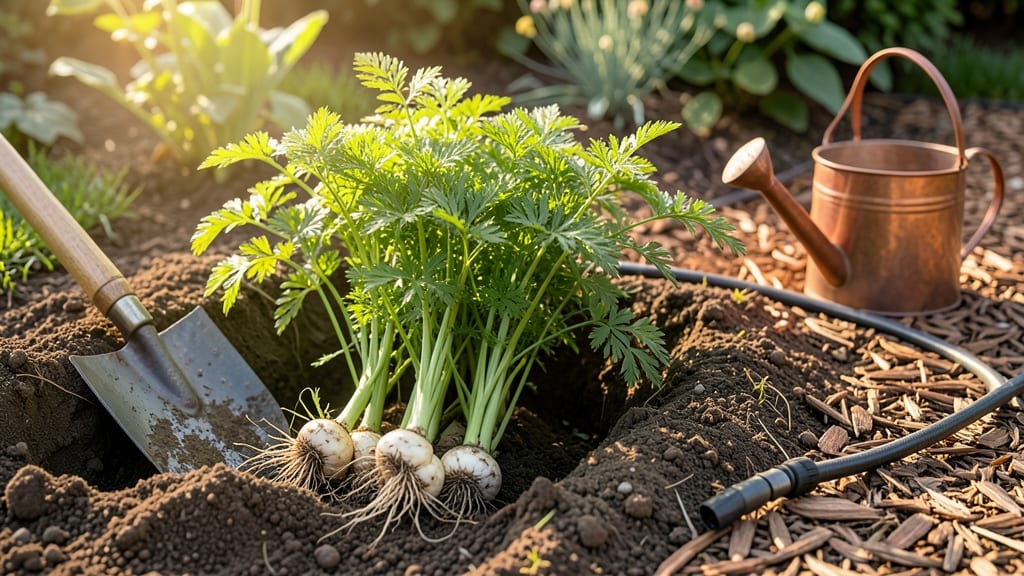
If you're dreaming of a homegrown asparagus harvest in Alabama, timing your planting is everything—because getting it wrong means waiting 3 years for your first spears. Alabama’s Zone 8A climate actually gives you two prime windows to plant asparagus crowns, but most gardeners miss the best opportunities.
The ideal planting months are late winter to early spring (February through March), when soil temperatures hover around 50°F—perfect for root establishment.
But here’s the catch: Alabama’s warm winters mean you can also plant in fall, giving you a second chance to start a crop that’ll reward you for years.
I’ll walk you through the exact steps to plant asparagus in Alabama, including soil prep secrets and how to extend your harvest beyond just spring. Whether you’re a first-time gardener or a seasoned grower, these tips will help you avoid common mistakes and get spears faster.
Ready to turn your garden into a year-round asparagus powerhouse? Let’s dive into the best planting strategies for Alabama’s unique climate—and why crowns beat seeds for beginners.
Best planting months for asparagus in Alabama’s zone 8A climate
Alabama’s mild winters and long growing season give you a 2-3 month window to plant asparagus crowns—unlike northern states where timing is critical. The ideal planting months are February through early March, but you can also plant in late fall (October-November) for a slower but reliable start.
This flexibility comes from Alabama’s Zone 8A climate, where soil temperatures rarely drop below 40°F for long.
For most Alabama gardeners, late winter planting (February-March) is the gold standard. By this time, the soil has warmed enough to encourage root growth, but frost risks are minimal.
Planting too early (January) can leave crowns vulnerable to cold soil, while waiting until April may delay your first harvest by a full year. The key is soil temperature—aim for 50-60°F at a 4-inch depth.
If you’re in coastal Alabama (Zone 8A-9A), you can push planting even later—March-April—thanks to warmer microclimates. Inland areas (like Birmingham) should stick to February-March to avoid summer heat stress on young plants.
Always check your last frost date (typically mid-March in most of Alabama) and plant 3-4 weeks before to give roots time to establish.
🌱
Asparagus Planting Timeline for Alabama
| Stage | Action | Best Months |
|---|---|---|
| Soil Prep | Test pH (6.5-7.0), amend with compost | January-February |
| Crown Planting | Plant 1-year-old crowns 6-8" deep | February-March |
| First Spears | Wait 2-3 years; harvest in spring | April-June (Year 3+) |
| Peak Harvest | Harvest 6-8" spears for 6-8 weeks | April-May |
| Fall Planting | Alternative for slower growth | October-November |
*Timing varies by microclimate—coastal areas can plant later.
Most Alabama gardeners choose 1-year-old crowns over seeds because they produce spears 1-2 years faster. Crowns are also 90% more reliable in Alabama’s humid climate, where fungal diseases can attack young seedlings.
Look for Mary Washington or Jersey Knight varieties—they thrive in Alabama’s heat and handle clay-heavy soils better than fancier hybrids.
Before planting, amend your soil with 2-3 inches of compost and a balanced fertilizer (5-10-10). Alabama’s native clay soil drains poorly, so mix in sand or perlite to prevent root rot.
Plant crowns 6-8 inches deep with roots facing downward—this encourages faster root establishment. Space rows 18 inches apart to allow for future fern growth.
One common mistake in Alabama is planting too shallow. Crowns need deep, loose soil to send roots downward. If you’re in sandy soil (common in Wiregrass region), add organic matter to retain moisture.
Mulch with straw or pine needles after planting to keep soil temperatures stable and reduce weeds.
After planting, water deeply once a week for the first month to encourage root growth. Avoid overhead watering—Alabama’s humidity already promotes fungal diseases. Instead, use drip irrigation or soaker hoses to deliver water at the base of the plant.
Once established, asparagus is drought-tolerant, but spears will be thinner if water is scarce during the growing season.
💧
In Alabama’s Zone 8A, you can extend your planting window by choosing the right variety. ‘Purple Passion’ asparagus, for example, handles heat better than traditional green varieties and can be planted as late as early April in coastal areas. For fall planting, aim for October-November—this gives crowns time to establish roots before winter dormancy, but expect delayed harvests by 4-6 weeks.
Pro tip: If you’re new to asparagus, start with 3-4 crowns to test your soil and microclimate. Alabama’s humidity and heat can stress young plants, so monitor for rust fungus (yellow spots on ferns) and treat with neem oil if needed.
With the right timing and care, your first harvest will arrive in spring of Year 3—earlier than in colder climates!
Best planting months for asparagus in Alabama’s zone 8A climate
Alabama’s Zone 8A climate gives you two ideal windows to plant asparagus crowns: late winter through early spring (February–March) and fall (September–October). Most gardeners focus on spring, but fall planting can actually give you an earlier harvest the following year.
The key is timing it so roots establish before the first frost—typically mid-November in most of Alabama.
For spring planting, aim for 3–4 weeks before your last frost date (usually mid-March in northern Alabama, slightly later in the south). Soil temperatures should be at least 50°F—any cooler, and your crowns won’t root properly.
If you’re in coastal Alabama, your window extends a bit later due to milder winters.
🌱 Pro Tip: Use a soil thermometer to check—50–60°F is perfect for asparagus roots to take hold without rotting.
| Planting Window | Soil Temp | Best For | Harvest Timing |
|---|---|---|---|
| February–March (Spring) | 50–60°F | First-year spears (Year 3) | April–June (next spring) |
| September–October (Fall) | 60–70°F | Faster root growth (earlier Year 2 harvest) | March–May (Year 2) |
Fall planting is my top recommendation for Alabama gardeners because it lets roots establish over winter, giving you spears as early as Year 2 instead of Year 3.
Just be sure to mulch heavily (3–4 inches of straw or leaves) to protect crowns from freezing temperatures—Alabama’s winters can dip into the 20s°F in some areas.
If you’re planting seeds instead of crowns (not recommended for beginners), start them indoors 8–10 weeks before your last frost and transplant seedlings after soil warms to 60°F.
But crowns are far easier and yield faster—always choose 1-year-old crowns from reputable nurseries like Johnny’s Selected Seeds or Alabama Cooperative Extension.
One critical mistake I see in Alabama gardens? Planting too shallow. Asparagus crowns need to be buried 6–8 inches deep—any shallower, and they’ll dry out or rot.
Use a well-draining soil mix (Alabama’s clay-heavy soil needs amendments like compost or sand) and space crowns 12–18 inches apart in rows 3–4 feet apart for easy access.
Ready to plant? Grab your crowns, amend that soil, and mark your calendar for February or September—your future spears will thank you! 🌱