
Plants
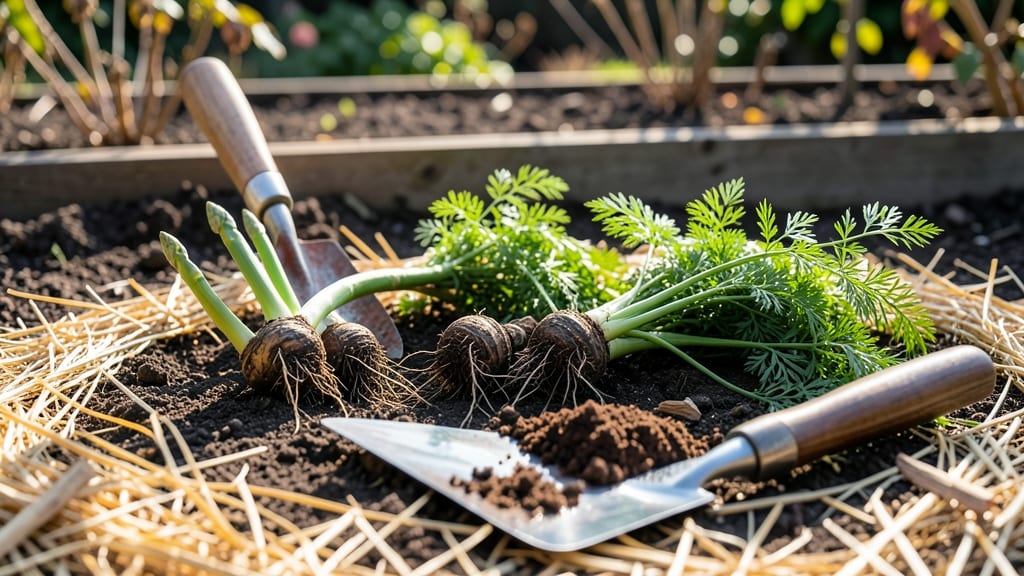
Planting asparagus in Nebraska at the wrong time could mean waiting three extra years for your first harvest—something no gardener wants to risk.
The key to success lies in understanding your Zone 5B climate, where timing isn't just about avoiding frost but creating the perfect conditions for those delicate crowns to establish strong roots before winter.
If you've ever wondered why some asparagus beds thrive while others struggle, the answer often starts with when those crowns hit the soil. Nebraska's unpredictable spring weather—with frost dates that can shift by weeks—makes this even more critical.
I'll show you exactly when to plant for maximum growth, whether you're in Omaha's urban heat islands or the cooler plains of western Nebraska.
You'll discover how soil temperature plays a bigger role than most gardeners realize, plus the three-step preparation that separates successful harvests from disappointing failures.
From choosing the right planting window to protecting your investment against Nebraska's harsh winters, these insights will give your asparagus the head start it needs to reward you with spears for decades.
The best part? These strategies work whether you're a first-time gardener or a veteran with years of trial-and-error under your belt. Let's get your asparagus off to the right start—so you can enjoy that first harvest sooner rather than later.
Best planting windows for asparagus in Nebraska’s zone 5B climate
Nebraska’s USDA Zone 5B climate demands precision when planting asparagus crowns. The ideal window spans early March through mid-April, when soil temperatures consistently reach 40-50°F.
This timing ensures roots establish before summer heat arrives—critical for a 3-year harvest payoff. Planting too early risks frost damage, while waiting too late stunts root growth.
For Lincoln and Omaha, aim for March 15-April 15, aligning with the average last frost date (April 15). Rural areas in western Nebraska may push planting to late April due to cooler microclimates. Always check your local USDA frost-free date for precision.
Fall planting is risky in Nebraska but possible with frost protection. If attempting, plant 6-8 weeks before first frost (mid-September) and mulch heavily. Crowns need time to root before winter dormancy—this method often delays harvest by a year.
Soil temperature is your best indicator. Use a soil thermometer to confirm 50°F+ at 4-inch depth before planting. Cold soil slows root growth, leaving crowns vulnerable to rot or heaving during freeze-thaw cycles.
Nebraska’s short growing season means every week counts. Prioritize 1-year-old crowns (not seeds) for faster establishment. These hardy perennials reward patience—once planted, they’ll produce for 15-20 years with proper care.
| Planting Window | Soil Temp | Nebraska Regions | Key Consideration |
|---|---|---|---|
| Early March - Mid-April | 40-50°F | Lincoln, Omaha | Avoid frost; roots need warmth |
| Late April | 50°F+ | Western NE | Cooler microclimates delay planting |
| Mid-September (fall) | 50°F+ | All regions | Risky; requires frost protection |
Microclimates play a huge role in Nebraska. Eastern regions like Omaha enjoy warmer springs, allowing earlier planting (March 1). Western areas near Scottsbluff may need to wait until April 15 to avoid late frosts. Elevation also matters—higher areas (e.g., Chimney Rock) stay colder longer.
Pro tip: Plant asparagus in trenches. Dig a 12-inch-deep trench, lay crowns horizontally with roots down, then cover with 6 inches of soil. This mimics natural growth patterns and protects crowns from temperature swings common in Nebraska’s Zone 5B.
After planting, mulch heavily with straw or wood chips to insulate roots. This is especially critical in Nebraska’s unpredictable springs, where late frosts can damage tender new shoots. Mulch also suppresses weeds, saving you time during the critical first year.
Remember: Patience is key. While you’ll see fern-like foliage in Year 2, the first harvestable spears won’t appear until Year 3. Proper spring planting sets the stage for decades of low-maintenance harvests—worth the wait!
How to prepare asparagus crowns for Nebraska’s short growing season
Preparing asparagus crowns properly is the foundation for success in Nebraska’s Zone 5B climate. Unlike many vegetables, asparagus crowns need special attention before planting to ensure they establish strong roots before winter.
I’ve learned the hard way that skipping this step can lead to weak growth and delayed harvests—something no gardener wants.
Start by selecting 1-year-old crowns from a reputable nursery. These crowns have already developed a robust root system, giving them a head start in Nebraska’s short growing season. Before planting, soak the crowns in lukewarm water for 4-6 hours to rehydrate the roots and remove any soil clinging to them.
This step is crucial for preventing rot and encouraging faster root establishment.
Next, inspect the crowns for any signs of disease or damage. Look for soft, mushy spots or discoloration, which are red flags. Healthy crowns should have firm, white roots and a compact crown.
If you find damaged areas, trim them away with a clean, sharp knife to prevent issues later. This careful inspection ensures your plants start off strong in Nebraska’s unpredictable spring weather.
⚠️ Common Mistake: Planting Too Deep
In Nebraska’s heavy clay soils, many gardeners unintentionally bury asparagus crowns too deep, which can suffocate the crown and delay spears from emerging. The ideal depth is 6-8 inches, with the top of the crown just below soil level. Planting deeper than 8 inches risks stunted growth, while planting too shallow can leave crowns vulnerable to frost heave.
Nebraska’s soil often lacks the necessary nutrients for asparagus, so amend your planting area with compost and phosphorus-rich fertilizer. Asparagus is a heavy feeder, especially during its first year, so mix in 2-3 inches of compost and a 10-10-10 balanced fertilizer into the top 12 inches of soil.
This boosts root development and ensures your plants have the energy they need to survive Nebraska’s harsh winters.
After planting, mulch the area with 3-4 inches of straw or wood chips to retain moisture and protect the crowns from temperature fluctuations. In Nebraska, where spring temperatures can swing dramatically, mulch acts as a buffer, keeping the soil consistently moist and warm.
Avoid using fresh mulch, as it can draw nitrogen from the soil—opt for well-aged materials instead.
Finally, water the newly planted crowns deeply and consistently for the first two weeks. Nebraska’s dry winds can quickly dry out soil, so aim for 1 inch of water per week, delivered in the morning to reduce evaporation.
This consistent moisture encourages root growth and helps the crowns establish before winter sets in.
By following these steps, your asparagus crowns will be well-prepared to handle Nebraska’s challenges, setting the stage for a bountiful harvest in years to come. The extra effort now pays off with stronger plants and earlier spears—worth every minute of preparation.