
Plants
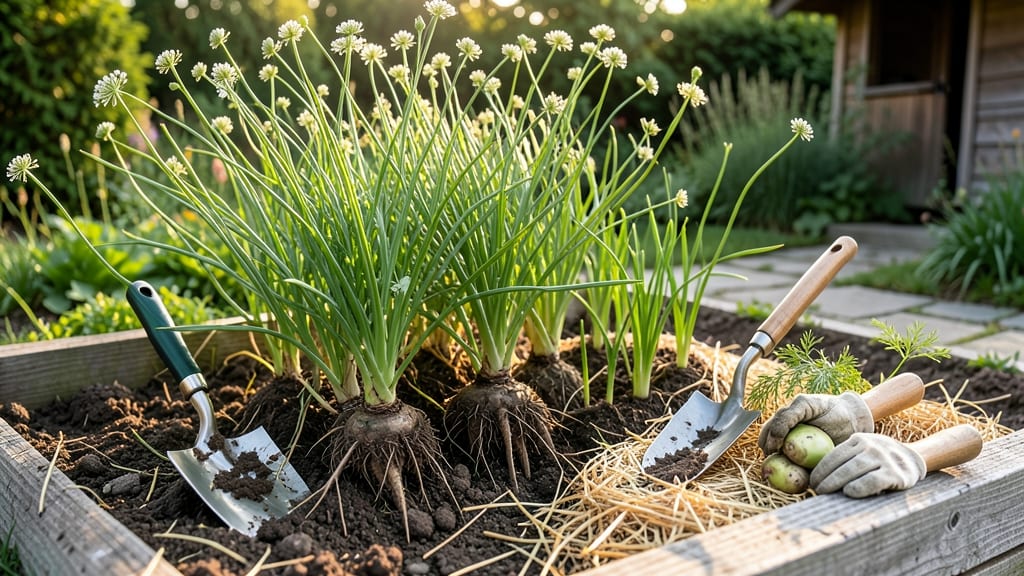
Timing your asparagus planting in Minnesota isn’t just about the calendar—it’s about outsmarting the 4a-5a zone’s unpredictable swings from frost to 50°F soil. Plant too early, and your crowns rot; too late, and you’ll wait 3 years for that first harvest.
I’ve grown asparagus here for years, and the 2-week window between late April and early May is where success happens—or fails.
Most gardeners in Minnesota swear by planting crowns (not seeds) in early spring, once the soil warms to 50°F but before the last frost—usually by May 10-20. This gives roots time to establish before summer’s heat, while avoiding the risk of winter heaving.
But here’s the catch: if you’re using Pacific 2000 or Jersey Knight varieties, you can even plant crowns in fall (September-October) for an earlier harvest the next year.
Why does this matter? Because asparagus is a patient crop—it takes 2-3 years to mature, but once it does, you’ll get 15+ years of harvests. The key is getting those roots deep and protected before Minnesota’s first frost sneaks in around October.
I’ll walk you through the exact steps to prep your soil, choose the right variety, and avoid the 3 biggest mistakes that kill asparagus before it even starts.
Ready to turn your garden into a spear-producing powerhouse? Let’s break down the perfect planting schedule, from soil temps to frost dates, so you can finally enjoy fresh asparagus straight from your Minnesota plot—without the years-long wait.
Minnesota asparagus planting schedule: best months for crowns vs seeds
Timing is everything when planting asparagus in Minnesota, where Zone 4 winters demand precision. Unlike warmer climates, Minnesota gardeners must account for soil temperature thresholds (ideal: 40-50°F) and frost dates (last spring frost: May 10-20, first fall frost: Sept 20-Oct 10).
Planting too early risks frost damage, while late planting delays harvests for 2-3 years—the time it takes for crowns to establish.
Most Minnesota gardeners plant asparagus crowns (not seeds) because they mature faster and handle cold better. Crowns are pre-grown roots with shoots, ready to jumpstart your garden.
Seeds take 2-3 years longer to produce spears, making them impractical for Minnesota’s short season. I’ll focus on crown planting, the gold standard for Minnesota asparagus growers.
For the best results, aim to plant crowns 2-3 weeks before your last spring frost. In Minnesota, this typically means late April to early May in most regions, but southern Minnesota (like Rochester) can plant as early as mid-April.
Northern areas (e.g., Duluth) should wait until late May to avoid frost damage to emerging shoots.
Fall planting is not recommended in Minnesota due to the risk of crown heaving (when soil freezes and thaws, pushing crowns out of the ground). Unlike southern states, Minnesota’s freeze-thaw cycles make fall planting unreliable. Stick to spring planting for consistent success.
📅 Minnesota Asparagus Planting Timeline
| Stage | Action | Notes |
|---|---|---|
| Late Winter (Feb) | Prepare soil | Test pH (6.5-7.0), amend with compost |
| Early Spring (April) | Soak crowns | 24 hours in water before planting |
| Late April-Early May | Plant crowns | 6-8" deep, 12-18" apart |
| May-June | Mulch heavily | Straw 4-6" deep to retain moisture |
| Year 3+ | Harvest spears | June-August, 6-8" tall |
Before planting, prepare your soil like a pro. Asparagus hates soggy roots, so Minnesota’s clay-heavy soils need amendments like sand or compost to improve drainage. Aim for a well-draining, slightly acidic soil (pH 6.5-7.0).
I recommend digging in 3-4 inches of compost or well-rotted manure 2-3 weeks before planting to give microbes time to break it down.
When planting, dig a 6-inch-deep trench and place crowns 12-18 inches apart with roots facing down. Space rows 18-24 inches apart to allow for future growth. Cover with 2-3 inches of soil, leaving the crowns slightly exposed—this helps them establish before being fully buried.
After shoots reach 6 inches, gradually fill the trench to encourage root development.
Minnesota’s short growing season means you’ll need to be patient. First-year harvests are off-limits—let the plants focus on root growth. In Year 2, you might get a few spears, but full harvests start in Year 3.
With proper care, a well-established asparagus patch can produce harvests for 15-20 years, making it a low-maintenance perennial worth the wait.
Pro tip: Mark your planting rows with stakes or flags to avoid accidentally digging into them later. Asparagus roots spread aggressively, and disturbing them can reduce yield by 30-50%. Once established, mulch with straw or shredded leaves to suppress weeds and retain moisture during Minnesota’s hot, dry summers.
If you’re in a northern Minnesota climate (e.g., Zone 3), consider planting earlier varieties like 'Mary Washington' or 'Jersey Knight'—they tolerate colder soils better. For southern Minnesota (Zone 5), you can push planting to late March if soil temperatures stay above 40°F.
Always check a local frost date calendar to fine-tune your timing.
Remember: Patience is key with asparagus. The first harvest might feel like a 3-year wait, but once you’re harvesting bright green spears in June, you’ll understand why it’s worth the effort. Next, we’ll dive into the top 5 cold-hardy varieties that thrive in Minnesota’s tough conditions.
Minnesota asparagus planting schedule: best months for crowns vs seeds
Minnesota’s Zone 4-5 climate demands precision when planting asparagus crowns. The ideal window is late April through early May, once soil temperatures hit 50°F and the last frost date (typically May 10-20) has passed.
This timing lets roots establish before summer heat arrives, while avoiding the risk of winter heaving.
If you prefer fall planting, aim for September-October—just before the first frost (usually Sept 20-Oct 10). Crowns planted in fall can produce spears 1-2 weeks earlier the next year, but only if the ground isn’t frozen.
Never plant seeds in Minnesota; crowns are the only reliable option for our climate.
Here’s the critical timeline you must follow:
| Stage | Action | Soil Temp | Frost Risk |
|---|---|---|---|
| Soil Prep (Fall) | Amend clay soil with compost | N/A | Low (after Oct 10) |
| Spring Planting | Plant crowns 6-8" deep, 12-18" apart | 50°F+ | Moderate (until May 20) |
| Fall Planting | Plant crowns 4-6 weeks before frost | 40°F+ | High (after Sept 20) |
| First Harvest | Year 3, late May-early June | 60°F+ | Low (post-May 20) |
For spring planting, wait until the soil is workable (not muddy) and temperatures stay above 50°F for 5+ days. Use a soil thermometer—planting too early in cold soil causes crown rot.
If you miss spring, fall planting is your next best bet, but only if the ground isn’t frozen.
Minnesota’s clay-heavy soils need extra prep: mix in 2-3 inches of compost and create raised beds if drainage is poor. Asparagus roots need well-draining soil to avoid rot, especially in our wet springs. I’ve seen gardens fail because they ignored this step—don’t make that mistake.
Pro tip: Mark your planting date on a calendar and note the variety. Some, like Pacific 2000, mature faster than Mary Washington, so timing matters even between varieties. Once planted, mulch heavily with straw (4-6 inches) to insulate roots through winter.
Remember: Patience is key. You won’t harvest until Year 3, but with the right timing, your asparagus patch will reward you for 15+ years. That’s why getting the planting schedule perfect is worth the effort.