
How To
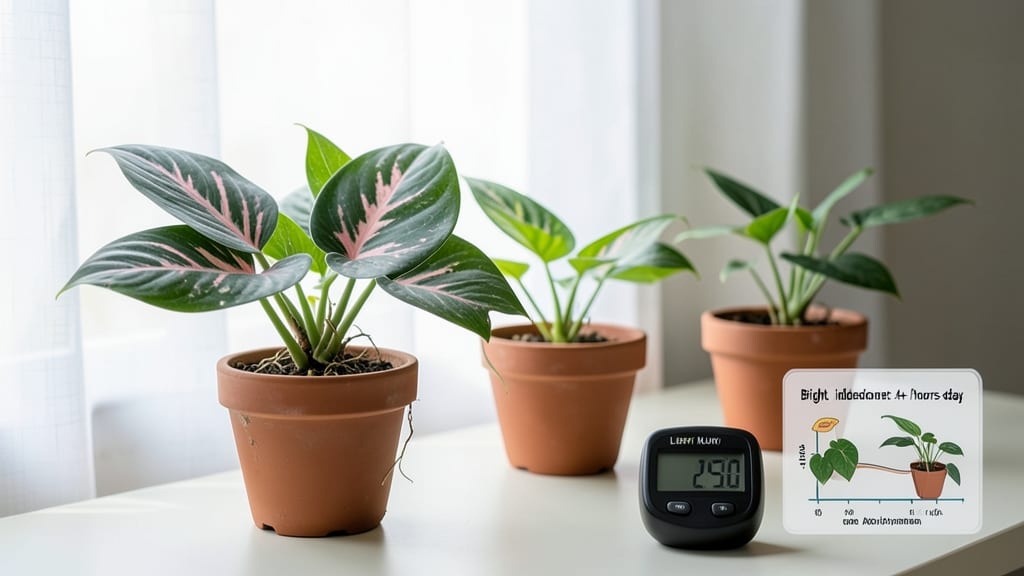
If you’re wondering how much light does an arrowhead plant need, the answer is simple: this stunning foliage plant thrives in bright indirect sunlight—not harsh midday rays or dim corners. Without the right conditions, even the hardiest Arrowhead Plant will struggle to maintain its signature arrow-shaped leaves.
I’ve watched too many plant parents overdo it—either smothering their Arrowhead in direct sun (which burns those gorgeous leaves) or tucking it in a dark corner (where it turns leggy and weak).
The key is finding that sweet spot where your plant gets enough light to grow lush but not so much that it fries. Let’s fix that together.
You’ll discover exactly how many hours of light your Arrowhead Plant needs daily, where to place it in your home for optimal growth, and how to spot the subtle signs of light stress.
Whether you’re dealing with a north-facing office or a south-facing sunroom, I’ll show you how to adjust your space for perfect foliage health—no guesswork required.
Once you master the light game, your Arrowhead Plant will reward you with vibrant new leaves, stronger stems, and that coveted compact growth. Ready to transform your plant’s future? Let’s dive into the secrets of bright indirect sunlight that’ll have your Arrowhead Plant thriving in no time.

Ideal light requirements for arrowhead plants: bright indirect sunlight explained
The arrowhead plant (Syngonium) thrives in bright indirect sunlight, making it perfect for homes with filtered light. This tropical beauty mimics its natural understory habitat, where dappled sunlight filters through canopy leaves. Understanding its light needs is key to preventing common issues like leggy growth or yellowing leaves.
Arrowhead plants need 4-6 hours of bright indirect light daily. Think of it like standing under a sheer curtain on a sunny day—enough light to grow but without harsh rays.
Direct midday sun can scorch delicate foliage, while too little light causes weak stems and sparse leaves. The goal is to find that golden middle where your plant stays vibrant.
Here’s how to visualize ideal lighting: Place your plant near an east-facing window for gentle morning sun, or a north-facing window for consistent indirect light all day.
South-facing windows work only if you use a sheer curtain to diffuse the intensity. Avoid west-facing windows unless you provide shade, as afternoon sun is too intense.
Your arrowhead plant’s leaves will tell you if it’s getting the right light. Healthy leaves have rich green coloration with distinct arrowhead patterns. If leaves turn pale or develop thin, stretched stems, it’s craving more light.
Conversely, brown patches or crispy edges mean it’s getting too much direct sun.
Seasonal changes affect light exposure too. During winter months, shorter daylight hours may require supplemental grow lights. In summer, move your plant slightly farther from windows to prevent overheating. A simple rule: If you can read a book comfortably near your plant, the light is likely just right.
🌱 Arrowhead Plant Light Requirements Summary
| Light Condition | Ideal Placement | Leaf Indicators | Solution |
|---|---|---|---|
| Bright Indirect Light | East/North window, 2-3 ft away | Rich green, defined patterns | Perfect! No changes needed. |
| Low Light | Far from windows, dim corners | Pale yellow, leggy stems | Move closer to window or add grow light. |
| Direct Sun | South/West window without shade | Brown patches, crispy edges | Use sheer curtain or move 3+ ft away. |
Pro tip: Rotate your arrowhead plant quarter-turn weekly to ensure even light exposure. This prevents one side from leaning toward the light, keeping growth symmetrical. A slow rotation mimics natural light shifts and encourages bushier foliage.
For offices or rooms without natural light, LED grow lights are a game-changer. Place them 6-12 inches above the plant for 12-14 hours daily to replicate sunlight. Look for full-spectrum bulbs that cover the blue and red light wavelengths arrowhead plants need for photosynthesis.
Remember, every home’s light differs. Test your setup by monitoring your plant’s response for 2-3 weeks. Adjust gradually—sudden light changes can shock delicate foliage. With the right balance, your arrowhead will reward you with glossy, heart-shaped leaves that become the star of your space.
🌿
How to adjust your home's lighting for perfect arrowhead plant growth
Not all home lighting is created equal, and your arrowhead plant needs precise adjustments to thrive. If your space lacks natural light or gets too much harsh sunlight, don’t worry—I’ve got practical solutions to create the perfect bright indirect light environment.
Start by identifying your window direction—north or east-facing windows are ideal because they provide gentle morning light without intense afternoon heat.
For south-facing windows, use sheer curtains or a light-colored blind to diffuse the harsh rays. If your plant is near a west-facing window, move it back at least 5 feet to avoid the intense late-afternoon sun that can scorch leaves.
Remember, direct sunlight after noon is the enemy of arrowhead plants, so always filter it.
Here’s a quick fix for low-light situations: Place your plant near a window with the largest glass surface in your home, even if it’s not east or north-facing.
If that’s not possible, supplement with a grow light (LED or fluorescent) positioned 6-12 inches above the plant for 12-14 hours daily. This mimics natural light cycles and prevents leggy growth.
- 📍 East/West Windows: Use sheer curtains to soften light; rotate plant weekly for even growth.
- ☀️ South Windows: Place plant 3-4 feet back; avoid direct sun after 1 PM.
- 💡 No Windows? Use a grow light 6-12” above; run for 12-14 hours/day.
- 🌿 Rotate Weekly: Turn plant ¼ turn to prevent lopsided growth toward light.
- 🌡️ Seasonal Shift: Move plant closer to window in winter; increase grow light hours.
Seasonal changes also demand adjustments. In winter months, when natural light dims, move your arrowhead plant to the brightest spot in your home and extend grow light exposure to 14 hours daily.
Conversely, in summer, watch for signs of too much light—like yellowing leaves or crispy edges—and temporarily move your plant to a shadier spot. A simple trick is to place it on a turntable to ensure all sides get equal light exposure.
If you notice your arrowhead plant stretching toward the light or developing pale leaves, it’s a clear sign it needs more bright indirect light. Increase exposure gradually to avoid shocking the plant.
Conversely, if leaves turn yellow or develop brown patches, it’s getting too much direct sun—immediately move it to a shadier spot or add a sheer curtain. These small tweaks make a huge difference in your plant’s health and growth rate.
With these adjustments, your arrowhead plant will grow compact, vibrant, and full of life. The key is observing your plant’s response and making small, consistent changes. Soon, you’ll have a thriving arrowhead that’s the envy of every plant lover in your circle!