
Trees
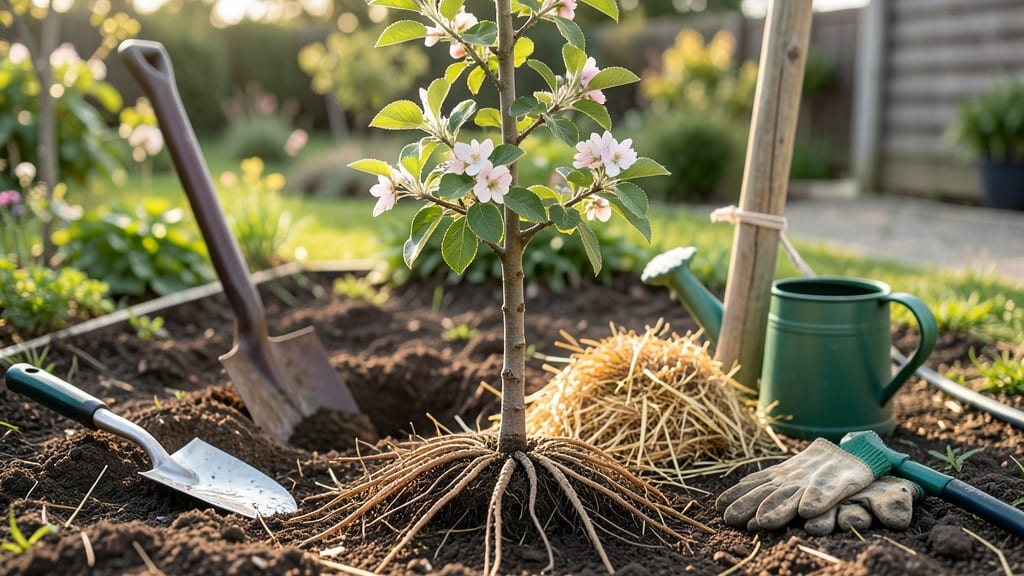
Timing your Apple Tree planting in Connecticut isn't just about picking a month—it's about giving your 🍎 the best shot at thriving through CT's unpredictable frost cycles and seasonal shifts.
Most gardeners assume spring is the only safe window, but fall actually offers a critical advantage for root establishment before winter dormancy. Whether you're planting bare-root saplings or container-grown trees, understanding the 5b-6b zone nuances can mean the difference between a struggling tree and one that flourishes for decades.
Let's break down exactly why October-November is ideal, how to prep your soil for Connecticut's clay-heavy conditions, and when early spring planting becomes your only option after a harsh winter. Spoiler: the right timing saves you from late frost damage and gives your tree a head start on fruit production.
You'll also discover how local nurseries time their stock releases, which varieties handle CT's microclimates best, and the simple post-planting care routine that keeps your young tree healthy through its first critical growing season.
Best planting times for apple trees in Connecticut: spring vs fall deadlines
Connecticut’s USDA zones 5b-6b create a unique challenge for apple tree planting—late frosts in spring and early frosts in fall demand precise timing. Planting outside these windows risks root shock or winter damage, so understanding the ideal periods is critical.
For most growers, fall planting (October to early November) is the gold standard, but spring offers a second chance if you miss the fall window.
The key to success lies in soil temperature and root establishment. In Connecticut, soil stays workable until mid-November, but planting after early November risks frost heaving.
Meanwhile, spring planting should wait until after the last frost date (typically mid-April), but not so late that summer heat stresses young roots. Let’s break down the best windows for each season.
🌱 Connecticut’s Ideal Apple Tree Planting Windows
Fall planting is my top recommendation for Connecticut growers because it gives roots 6–8 weeks to establish before winter. During this time, roots grow actively until the ground freezes, creating a stronger root system that’s better equipped to handle Connecticut’s winter cold and spring frosts.
If you choose spring planting, focus on bare-root trees, which wake up faster than container-grown options and can catch up to fall-planted trees by summer.
One critical factor often overlooked is microclimates within Connecticut. Coastal areas like Groton or Stonington experience milder winters and later frosts, extending the fall planting window by 2–3 weeks compared to inland regions like Hartford or Waterbury.
Always check your local USDA zone map and consult with CT agricultural extension services for hyper-local advice. For example, if you’re in zone 5b, aim for late September to early October; in zone 6b, you have until mid-November.
Another pro tip: Soil temperature is more important than air temperature. Use a soil thermometer to confirm the ground is above 45°F (7°C) before planting. Cold soil slows root growth, leaving your tree vulnerable to disease and pests.
In my experience, October is the sweet spot—cool enough to reduce transplant shock but warm enough for roots to spread.
If you’re planting in spring, time it so your tree has 4–6 weeks of root growth before summer heat arrives. This means planting by early May at the latest.
Delaying beyond this risks heat stress, where young roots struggle to absorb water, leading to wilting or leaf scorch. To mitigate this, mulch heavily (3–4 inches of organic mulch) and water deeply twice weekly until roots establish.
For container-grown trees, the rules relax slightly. These trees can be planted year-round in Connecticut, but fall and early spring still offer the best results. The key is to avoid planting when the ground is frozen (typically December–February) or during extreme heat waves (July–August).
If you must plant in summer, choose overcast days and water thoroughly every 2–3 days to reduce stress.
Remember, the graft union (the bump where the scion meets the rootstock) must stay 2–3 inches above soil level after planting. This ensures the tree develops properly and resists crown rot, a common issue in Connecticut’s humid summers.
After planting, stake young trees if your region experiences high winds (common in coastal CT), and prune any broken branches to encourage healthy growth.
Best planting times for apple trees in Connecticut: spring vs fall deadlines
Connecticut’s USDA zones 5b-6b create a unique challenge for apple tree planting—late spring frosts can damage tender new growth, while early fall freezes may stress young roots. The best window? October to early November for fall planting, when soil stays warm enough for root establishment before dormancy sets in.
Fall planting gives your tree a head start on root growth before winter, reducing transplant shock. Spring planting (late April to early May) works too, but only if you’re prepared for frost risks and can protect young shoots.
Local nurseries often release bare-root trees in both seasons, so timing your purchase matters just as much as the calendar.
Here’s the key difference: Fall-planted trees focus energy on roots, while spring-planted trees prioritize top growth. In CT’s climate, fall wins for long-term survival—but spring planting is your backup if winter weather delays your plans.
| Factor | Fall Planting (Oct-Nov) | Spring Planting (Apr-May) |
|---|---|---|
| Soil Temperature | 50-60°F (ideal for roots) | 45-55°F (warmer than air) |
| Frost Risk | Low (roots establish before freeze) | High (late frosts damage new shoots) |
| Root Growth | Maximized (6-8 weeks before dormancy) | Slower (competes with top growth) |
| Watering Needs | Moderate (soil retains moisture) | High (spring droughts common) |
| Best For | Bare-root trees (cheaper, healthier) | Container-grown trees (flexible timing) |
Pro tip: If you plant in spring, choose container-grown trees over bare-root—they’re less stressed by late frosts. For fall planting, prioritize Honeycrisp or McIntosh varieties, which handle CT’s humidity better than delicate European cultivars.
One mistake I see often? Planting too early in fall (before October) or too late in spring (after May). Both timings leave your tree vulnerable to extreme temperature swings. Stick to the 4-6 week window before your region’s first frost for best results.
For coastal CT (like New London), you’ve got an extra 2-3 weeks of planting time due to milder microclimates. Inland areas (like Hartford) should plant earlier to avoid early frosts. Always check your local Cooperative Extension Service for year-specific deadlines.