
Plants
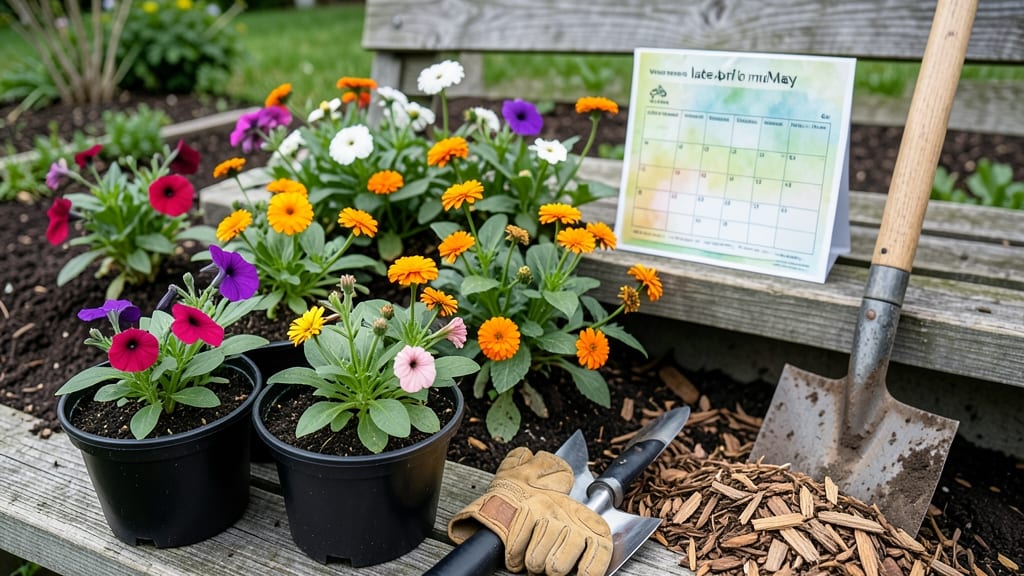
Knowing when to plant annuals in Wisconsin makes the difference between a garden full of vibrant 🌸 blooms and one that bolts before it even gets started.
Wisconsin’s shifting frost dates and short growing season demand precision, but with the right timing, you can enjoy lush flowers and fresh veggies from June right through October.
Most gardeners in zones 4a-6b wait until after the last frost—typically around April 15—but the real secret lies in soil temperature. Planting too early risks frost damage, while waiting too long can leave your garden playing catch-up all season.
I’ll show you exactly how to time it right, whether you’re sowing seeds indoors or popping transplants into the ground.
This isn’t just about memorizing dates—it’s about understanding your microclimate. Some years, a late spring frost sneaks in, while others, summer heat arrives early.
By the end of this guide, you’ll know which annuals thrive in Wisconsin’s cooler summers, how to stretch your planting window with row covers, and which varieties to prioritize for maximum blooms.
Ready to skip the guesswork? Let’s dive into the frost-date chart and planting strategies that’ll keep your garden thriving—no sad, wilted annuals in sight.
Wisconsin frost dates by zone: the exact timeline for planting annuals
Wisconsin’s USDA zones 3-5 create a tricky planting puzzle, but understanding your last frost dates is the key to avoiding bolted annuals and maximizing bloom time.
Northern Wisconsin (zone 3) has earlier frost dates than southern areas (zone 5), so I’ll break it down by region—plus how to adjust for heat-tolerant varieties that won’t bolt in Wisconsin’s cooler summers.
Most Wisconsin gardeners wait until mid-to-late May for tender annuals, but hardy varieties like pansies or snapdragons can handle early April planting in zone 4-5.
The average last frost date ranges from April 15 (southern WI) to May 15 (northern WI), but Mother Nature doesn’t always follow the script—so I’ll show you how to hedge your bets.
🌱 Pro Tip: Use a soil thermometer to confirm 50°F soil temps before planting warm-season annuals like marigolds or zinnias. Cold soil slows germination, even if air temps are warm.
| USDA Zone | Avg. Last Frost | Safe Planting Window | First Frost Risk |
|---|---|---|---|
| Zone 3 (North) | May 10-20 | May 25 - June 15 | Oct 5-15 |
| Zone 4 (Central) | April 25 - May 10 | May 15 - June 1 | Sept 25 - Oct 10 |
| Zone 5 (South) | April 10-20 | April 25 - May 15 | Oct 10-20 |
For fast-blooming annuals like cosmos or zinnias, I plant 4-6 weeks before the last frost date—these bolt-resistant varieties tolerate cooler temps better than geraniums or petunias. Meanwhile, tomatoes and peppers need warmer soil, so I wait until late May in zone 3 and mid-May in zone 5.
Wisconsin’s short growing season (about 165 frost-free days) means I prioritize succession planting for annuals like basil or lettuce. Start indoor seedlings in March for a 4-6 week head start, then transplant after the last frost. This extends my harvest by 3-4 weeks compared to direct sowing.
Don’t forget about fall planting! Tender annuals like marigolds or nasturtiums can handle light frosts, so I sow them in late July-August for autumn blooms. Just avoid planting after September 1 in zone 3—those first frosts will catch you off guard.
🌿 Key Takeaway: Wisconsin’s microclimates matter! A south-facing slope warms up 1-2 weeks earlier than a shady valley. Use this to your advantage by planting heat-lovers on warm spots and cool-season crops in protected areas.
If you’re unsure about your exact frost date, check your local cooperative extension office or use the Old Farmer’s Almanac for historical averages. I also keep a planting journal to track when my annuals actually bloom—this helps me fine-tune next year’s schedule.
For extra insurance, I always have row covers ready to protect tender seedlings from late spring frosts. A 50°F night can kill unhardened petunias, but a lightweight frost blanket adds 5-10°F protection—enough to save your annuals until warmer temps arrive.
How to adjust planting times for Wisconsin’s unpredictable weather patterns
Wisconsin’s weather can throw curveballs—one year you’re planting by April 15, the next a late frost hits in May. The key to beating this unpredictability? Adjustable planting strategies that protect your annuals while maximizing your growing window.
I’ve tested these tricks in my own garden, and they’ve saved my marigolds and basil from multiple close calls.
First, always check your local frost dates (not just the averages). The National Weather Service or Wisconsin State Climatology Office provides real-time updates. If frost is forecasted 2-3 weeks out, delay planting tender annuals like petunias or impatiens until after the threat passes.
Pro tip: Use a frost-sensitive plant (like coleus) as an early warning system—if it wilts overnight, frost is coming.
🌱
⚠️ Late Frost Warning: Protect Tender Annuals
If frost is forecasted within 1-2 weeks of planting, use these emergency tactics:
- ✅ Row covers: Lightweight fabric traps heat and raises temps by 5-8°F.
- ✅ Cold frames: Clear plastic domes create microclimates for 2-3 weeks of extra warmth.
- ✅ Cloche bells: Protect individual plants (like tomato seedlings) with glass or plastic.
❌ Avoid heavy mulch or dark plastic—these can overheat soil and damage roots.
For a longer season, try succession planting. Instead of planting all your zinnias or basil at once, stagger them every 2-3 weeks from late May through early July. This ensures continuous blooms or harvests, even if early plantings get nipped by frost.
I once extended my cosmos season by 4 weeks using this method—now my garden stays colorful until October!
Heat-tolerant annuals like sunflowers or portulaca can handle Wisconsin’s summers, but even they need a head start. Start seeds indoors 6-8 weeks before the last frost, or buy transplants from a local nursery (they’re already hardened off).
If you’re planting in July or August for fall blooms, choose fast-maturing varieties like marigolds or pansies—they’ll flower before the first frost hits.
Finally, monitor soil temperature with a soil thermometer (aim for 50°F+ for most annuals). Cold soil delays germination, so if temps are below 50°F, wait or use heat mats for seed trays.
I once wasted a packet of basil seeds by planting too early—now I always check soil temp first!