
Plants
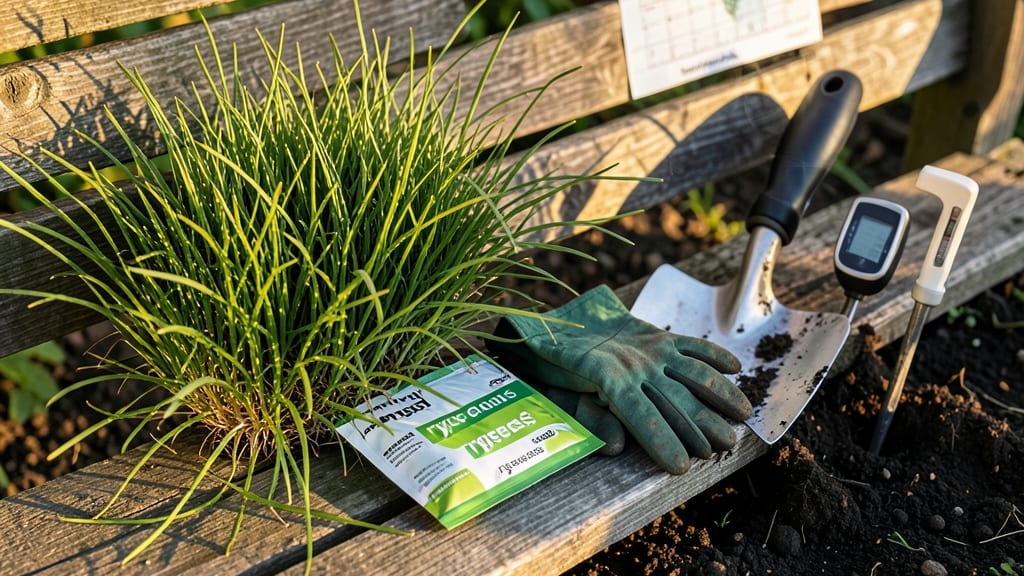
If you're a Texas gardener looking to transform your soil and protect it from winter's chill, knowing when to plant annual ryegrass could be the game-changer your lawn needs. This hardy grass isn't just for show—it's a powerhouse for improving soil health and preventing erosion before the first frost hits.
Timing is everything, especially in Texas where summer heat can be brutal and frosts arrive earlier than you might expect. Planting too early means your 🌱 annual ryegrass could bolt in the heat, while waiting too long risks frost damage before it establishes strong roots.
The secret lies in those golden weeks between late summer and early fall—when temperatures cool just enough for growth but stay warm enough to avoid stress.
Whether you're in North Texas where frosts creep in by December or South Texas where they might hit by November, I'll break down the exact months that work best for your region.
You'll learn how to read your local frost dates, prepare your soil, and give your annual ryegrass the perfect head start for a lush winter cover.
Let's dive into the specifics so you can plant with confidence and watch your soil—and lawn—thrive through the colder months ahead. Your Texas garden will thank you for it!
Texas annual ryegrass planting calendar: best months by region (North vs. central vs. South)
Texas spans three distinct climates, each with its own first frost dates and heat thresholds for annual ryegrass. Planting too early in North Texas (like Dallas) risks heat stress, while South Texas (Houston) can still see warm soils in October.
Central Texas (Austin) falls right in the middle, with a 4-6 week window between ideal planting and first frost. Let’s break it down by region so you can plant with confidence.
Annual ryegrass thrives when soil temperatures hover between 60–75°F. In North Texas (USDA Zones 7b-8a), this means aiming for mid-August to early September. For Central Texas (Zones 8a-8b), shift your timeline to late August through mid-October.
Meanwhile, South Texas (Zones 8b-10a) gardeners have a longer window—August through November—thanks to milder winters. The key is to give your ryegrass 4-6 weeks to establish roots before frost hits.
Here’s the critical difference: North Texas sees its first frost around December 1, while South Texas can delay frost until January 15 or later. Central Texas typically hits frost November 15–December 1.
Miss this window, and your ryegrass won’t have time to develop a strong root system before winter dormancy.
| Region | USDA Zone | Ideal Planting Window | First Frost Date | Soil Temp Goal |
|---|---|---|---|---|
| North Texas (Dallas/Fort Worth) | 7b–8a | Mid-August–Early September | December 1 | 60–75°F |
| Central Texas (Austin/San Antonio) | 8a–8b | Late August–Mid-October | November 15–December 1 | 60–75°F |
| South Texas (Houston/Beaumont) | 8b–10a | August–November | January 15+ | 60–75°F |
Pro tip: Use a soil thermometer to confirm temperatures. If your soil runs hotter than 80°F, wait a week or two—annual ryegrass bolts (goes to seed) quickly in extreme heat. In humid South Texas, also watch for fungal diseases like brown patch if planting late.
A light pre-emergent herbicide (like corn gluten meal) can help suppress weeds without harming your ryegrass.
For North Texas, aim to plant by September 1 to ensure roots establish before frost.
In Central Texas, you’ve got a little more flexibility—October 15 is your cutoff. South Texas gardeners can push it to November 1, but don’t wait too long, or your grass may struggle to green up in spring.
The goal is 6–8 weeks of growth before winter sets in.
One more regional tip: North Texas soils can be alkaline (pH 7.5+), while South Texas soils often lean acidic (pH 6.0–6.5). Test your soil before planting—annual ryegrass prefers pH 6.0–7.0.
If your soil is off, amend it with sulfur (to lower pH) or lime (to raise pH) 2–3 weeks before sowing.
If you’re in transition zones (like the Hill Country between Austin and San Antonio), err on the earlier side. Microclimates here can delay frost, but soil stays warm longer, increasing bolting risks.
For urban areas (like Houston or Dallas), check your local weather station—heat islands can push soil temps 5–10°F higher than rural areas.
Finally, don’t forget overseeding existing lawns requires a slightly earlier window. If you’re mixing ryegrass with Bermuda or St. Augustine, plant 4–6 weeks before your usual frost date to outcompete weeds. Use a slit seeder for best results—it ensures consistent seed-to-soil contact.
With these regional guidelines, you’ll avoid the two biggest mistakes: planting too early (bolting) or too late (frost damage). Next, we’ll dive into step-by-step timing to maximize root growth before winter—because a strong start means a greener lawn in spring. 🌱
How to time your planting for maximum root growth before frost (step-by-step)
Timing your annual ryegrass planting isn’t just about the calendar—it’s about giving your seeds the perfect window to establish strong roots before frost arrives.
In Texas, where first frost dates vary wildly from North to South, knowing how to calculate your local frost date and adjust for soil temperature is key.
Aim for a 4-6 week window before your area’s first frost to ensure your grass has time to grow deep roots and handle winter’s chill.
Start by checking your USDA hardiness zone—most of Texas falls between zones 8a-10b, but even small differences in elevation or latitude can shift frost dates.
For example, North Texas (like Dallas) often sees frost by mid-December, while South Texas (like Houston) might experience it as early as mid-November. Use the National Weather Service or local agricultural extension offices for precise frost date predictions in your area.
Once you’ve pinned down your frost date, work backward 4-6 weeks to determine your ideal planting window. For most of Texas, this lands between mid-August and early October. But don’t just rely on the calendar—soil temperature matters just as much.
Annual ryegrass thrives when soil temps are between 60–75°F. Use a soil thermometer to confirm your soil is in this range before planting.
After planting, consistent watering is critical. Keep the soil evenly moist but not soggy—annual ryegrass needs about 1 inch of water per week, either from rainfall or irrigation. Water in the early morning to reduce evaporation and fungal risks.
For the first 2-3 weeks, check soil moisture daily, as newly planted seeds are most vulnerable to drying out.
To boost early growth, apply a light fertilizer (like a 10-10-10 blend) at planting time. This gives your annual ryegrass a nutrient kick without overwhelming it. Avoid heavy fertilizers, which can burn tender seedlings.
Once your grass reaches 3-4 inches tall, it’s ready to handle Texas winters—and your soil will thank you for the protection.
With these steps, your annual ryegrass will establish a dense root system before frost, ensuring it survives the winter and returns greener than ever in spring. Happy planting! 🌱