
Plants
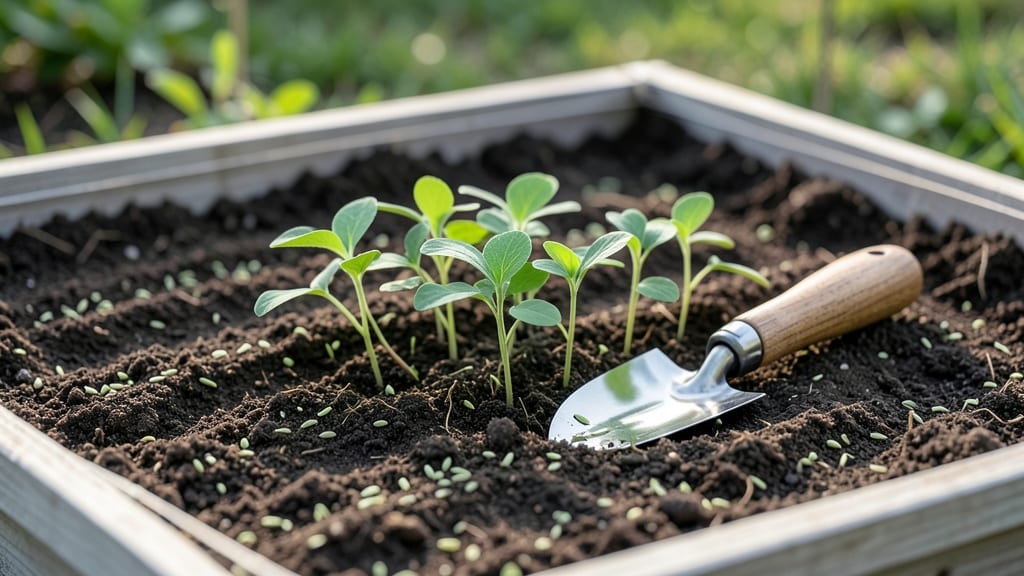
Timing your alfalfa planting in the spring can mean the difference between a thriving crop and wasted effort—especially if you're growing cold-hardy varieties that bolt quickly. One wrong move, and you'll spend months nurturing plants that shoot up into flowers instead of the tender shoots you crave.
I’ve seen gardeners pull their hair out after planting too early, only to watch their 🌱 alfalfa bolt before they could even harvest. The key? A 4-week window where soil warmth and frost-free days align perfectly. Miss it, and you’ll either deal with stunted growth or a premature harvest.
In USDA Zone 6a, that window typically opens in early April—just after the last frost—when soil temperatures hit 50°F. But here’s the catch: Northern climates need to wait longer than Southern ones, and even a few degrees can push your plants toward bolting.
Let me walk you through the exact steps to nail your planting schedule, from soil prep to post-planting care, so you can avoid the most common mistakes and enjoy a bountiful harvest all season long.
The exact 4-Week spring planting window for alfalfa to avoid bolting
Alfalfa thrives when planted during a 4-week window after your last frost date, but the exact timing depends on your USDA hardiness zone and soil temperature.
In Zone 6a, this window typically opens in early April—just after the average last frost—when soil temperatures consistently reach 50°F.
For gardeners in warmer climates (Zones 7-10), you can plant as early as mid-February, but wait until late March in cooler Zones (3-5) to avoid frost damage. The goal is to give seeds time to germinate before daytime temperatures exceed 75°F, which triggers bolting.
Here’s the critical rule: Plant alfalfa when your soil is at least 50°F and nighttime temperatures stay above 40°F. Use a soil thermometer to confirm—cold soil delays germination, while warm soil speeds it up, risking bolting.
Miss this window, and you’ll face two problems: stunted growth from late planting or premature flowering from early planting. Both scenarios mean fewer harvests and tougher shoots.
🌱 Alfalfa Spring Planting Timeline by USDA Zone
| Zone | Last Frost Date | Optimal Planting Window | Soil Temp Requirement | Key Risk |
|---|---|---|---|---|
| 3-5 | Late May | Late March–April 15 | 50°F+ | Frost damage |
| 6a-7 | Mid-April | Early April–May 1 | 50°F+ | Bolting |
| 8-10 | Mid-January | Mid-February–March 15 | 55°F+ | Heat stress |
Note: Adjust dates 1-2 weeks earlier in Southern regions and later in Northern regions.
Northern gardeners in Zones 3-5 should prioritize soil warming before planting. Lay down black plastic mulch 2-3 weeks before your target date to raise soil temperature faster. This trick adds 2-3 weeks to your planting window without risking bolting.
In contrast, Southern gardeners (Zones 8-10) face the opposite challenge: heat stress. Plant in shade cloth or use drip irrigation to keep soil moist and cool. Without these steps, your alfalfa may bolt in as little as 30 days instead of the ideal 60-90 days.
Pro tip: Test your soil’s nitrogen levels before planting. Alfalfa fixes its own nitrogen, but low soil nitrogen can delay germination. Add compost or a balanced fertilizer (like 10-20-10) at planting to give your seeds a head start.
Once planted, water deeply every 3-5 days to encourage strong root growth. Avoid overhead watering—it spreads disease and can drown seeds. A soaker hose or drip system keeps moisture consistent without disturbing the soil.
Finally, monitor your plants daily for signs of bolting: yellowing leaves or tall flower stalks. If you spot these, harvest immediately or cut back to 2-3 inches to reset growth. With the right timing, you’ll avoid this entirely and enjoy tender shoots all season.
The exact 4-Week spring planting window for alfalfa to avoid bolting
Nailing the alfalfa planting window in spring means calculating two critical factors: your last frost date and soil temperature.
In most of the U.S., this narrows to a 4-week period where conditions are just right—too early, and your seeds rot; too late, and your plants bolt before you can harvest. For USDA Zone 6a, that window typically opens around April 1st but shifts based on your location.
Here’s the rule I follow: Plant alfalfa seeds only when your soil reaches 50°F and stays consistently above freezing. Cold soils slow germination, while warm soils (above 60°F) can trigger bolting. Use a soil thermometer—it’s the only way to get this right without guesswork.
In northern climates (Zones 3-5), aim for late April to early May when frost risk drops below 10%. In southern climates (Zones 7-9), you can plant as early as mid-March, but monitor for sudden cold snaps.
The key is avoiding late spring heat waves, which push alfalfa into flowering mode faster.
| Region | Optimal Planting Window | Soil Temp Requirement | Key Risk |
|---|---|---|---|
| Northern (Zones 3-5) | Late April–Early May | 50–55°F | Late frost damage |
| Midwest (Zones 6-7) | Early–Mid April | 50–58°F | Bolting from heat spikes |
| Southern (Zones 8-10) | Mid–Late March | 55–60°F | Overheating seeds |
Even within this window, soil preparation makes all the difference. Alfalfa thrives in well-draining, slightly alkaline soil (pH 6.8–7.5). Before planting, mix in compost or aged manure to boost nitrogen levels—alfalfa fixes its own nitrogen, but young roots need a head start.
Avoid fresh manure, which can burn tender seedlings.
Once planted, consistent moisture is critical. Water deeply every 3–5 days to keep soil evenly moist but never soggy. Mulch with straw to retain moisture and suppress weeds, which compete for nutrients.
I’ve found that drip irrigation works best—it delivers water directly to roots without wetting the foliage, reducing disease risk.
Watch for bolting signs: tall stems with yellow flowers mean your plants are shifting energy from leaves to seeds. If this happens too soon, your harvest window shrinks drastically.
To delay bolting, I recommend shade cloth (30–50%) during hot afternoons or using black plastic mulch to warm soil gradually. These tricks buy you 2–3 extra weeks of harvestable growth.