
Plants
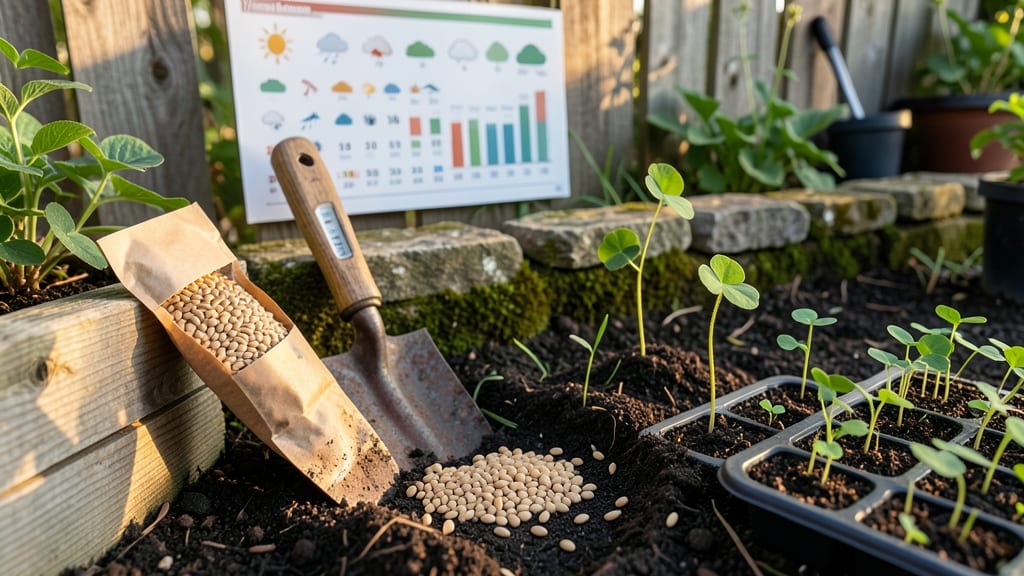
Timing your alfalfa planting in NC could mean the difference between a thriving crop and wasted seeds. This hardy legume 🌱 loves North Carolina’s climate—but only when planted within its precise frost-free window, which shifts dramatically from the mountains to the coast.
Most gardeners in zones 6a-8b know spring is ideal, but did you know late summer also works? The key is avoiding early frosts (which can kill young seedlings) while giving roots time to establish before winter.
I’ll break down the exact months for your county and share soil temperature tricks to nail the perfect window.
Whether you’re a small-scale farmer or a backyard grower, getting this right saves time, money, and frustration. We’ll cover how to adjust for drought years, early cold snaps, and even NOAA data insights to fine-tune your schedule. Ready to plant with confidence?
Let’s dive into the frost-free secrets that’ll help your alfalfa take root strong—no guesswork required. Your future harvest depends on getting this timing right, and I’ve got the local expertise to guide you.
North Carolina’s frost-free zones for alfalfa planting: county-by-county breakdown
North Carolina’s diverse geography—from the Blue Ridge Mountains to the coastal plains—means alfalfa planting windows can shift by 4-6 weeks depending on your location. Understanding these frost-free zones is critical for root establishment and yield maximization.
The USDA hardiness zones 6a-8b across NC create distinct microclimates where timing matters.
For mountain regions (e.g., Asheville, Boone), the last frost typically arrives March 15–April 1, while coastal areas (e.g., Wilmington, Morehead City) often see frost-free conditions by February 15–March 1.
Piedmont areas like Raleigh and Charlotte fall in between, with last frost dates around March 1–15. These variations directly impact when you should sow alfalfa seeds for optimal growth.
Here’s a county-by-zone breakdown to help you pinpoint the best planting window based on historical frost data and USDA correlations:
| Region | USDA Zone | Last Frost Date | First Frost Date | Ideal Planting Window |
|---|---|---|---|---|
| Mountains (e.g., Asheville, Boone) | 6a-6b | March 15–April 1 | November 1–15 | April–May (spring) or August–September (fall) |
| Piedmont (e.g., Raleigh, Greensboro) | 7a-7b | March 1–15 | October 30–November 15 | March–April (spring) or August (fall) |
| Coastal Plains (e.g., Wilmington, Fayetteville) | 8a-8b | February 15–March 1 | December 1–15 | April–May (spring) or September (fall) |
For home gardeners, these dates provide a general guideline, but microclimates (e.g., valleys vs. ridge tops) can shift windows by 1-2 weeks. Always monitor local weather forecasts and use a soil thermometer to confirm soil temperatures above 50°F before planting.
In Zone 6a, for example, early April plantings may still face late frost risks, while Zone 8b gardeners can start as early as late February.
If you’re in a transition zone (e.g., Durham or Winston-Salem), err on the side of planting slightly later to avoid frost damage to young seedlings. The NC State Climate Office provides real-time frost alerts, which can help you adjust your planting schedule dynamically.
For large-scale farms, consider row covers or greenhouse seeding to extend the planting window in colder zones.
One critical mistake is assuming all of NC follows the same last frost date. For instance, Mount Mitchell (the highest peak east of the Mississippi) can experience frost 2-3 weeks later than Charlotte, just 100 miles away.
Always check county-specific data to avoid weak root systems or stunted growth.
For fall planting, aim to sow alfalfa seeds 6-8 weeks before your first frost date. This gives the plants enough time to establish roots before winter dormancy. In Zone 7a, that means late August, while Zone 8b gardeners can push it to early September.
Fall-planted alfalfa often produces stronger stands because it avoids summer heat stress.
Use these frost-free zones as your planting compass, but always adjust for local conditions. Whether you’re growing alfalfa for hay, livestock feed, or soil improvement, timing is the foundation of a successful harvest. 🌱
Optimal planting months for alfalfa in NC: soil temperature and moisture secrets
Alfalfa seeds need warm soil to germinate properly—typically 50°F or above. In North Carolina, this means waiting until late March to early April in the piedmont, but April to May in the mountains, where cooler temperatures linger.
Coastal areas can start as early as February to March, but frost risk remains a concern.
Use a soil thermometer to confirm readiness. The ideal planting window is when soil temps stay consistently above 55°F for 5+ days. This ensures strong root establishment before summer heat sets in.
I’ve planted alfalfa in Zone 7a (Raleigh) and found that April 1st is the safest bet—just after the average last frost date.
Moisture matters just as much as temperature. Alfalfa seeds need consistent soil moisture to germinate, but soggy soil can rot them. Aim for 1 inch of water per week during germination, then taper off as roots develop.
A simple moisture meter helps avoid overwatering, which is a common mistake in NC’s humid summers.
- 🌡️ Soil temp must stay above 55°F for 5+ days before planting.
- 💧 Water deeply 1 inch/week during germination (first 2 weeks).
- ☀️ Plant after last frost—check NOAA’s frost-free date for your county.
- 🌱 Late summer (August-Sept) is a backup window if spring planting fails.
- ⚠️ Avoid planting in heavy clay—alfalfa needs well-draining soil.
For late-summer planting (another great window in NC), aim for August to early September. This gives seedlings time to establish before the first frost, which typically hits in mid-October in the piedmont and late November in coastal areas.
I’ve had success with late August plantings in Zone 8a (Charlotte), where the growing season extends longer.
Drought years? Adjust by planting earlier in spring (March) or later in summer (September) to align with NC’s monsoon-like summer rains. Always monitor soil moisture—alfalfa is drought-tolerant once established, but young plants need consistent water. A mulch layer helps retain moisture and regulate soil temperature.
Pro tip: If your soil feels cool or damp in early spring, wait. Rushing alfalfa planting risks frost damage or poor germination. Patience here pays off with stronger roots and higher yields—trust me, I’ve learned this the hard way with weak, stunted plants! 🌱