
Planting
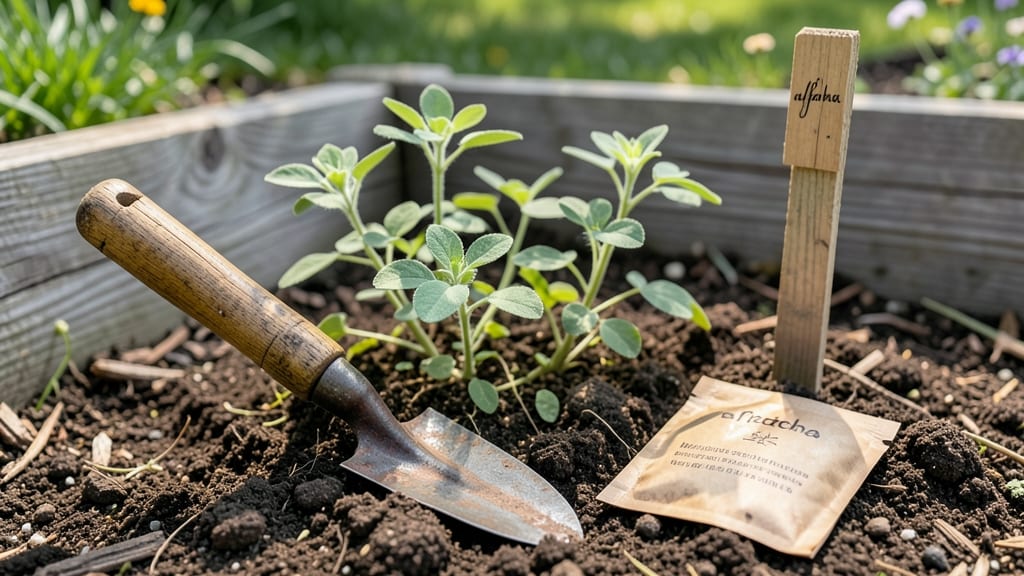
Timing your alfalfa planting just right in spring could mean the difference between a thriving crop and a wasted effort—especially when you’re dealing with cold-hardy varieties that need precise soil conditions to take root.
The key isn’t just waiting for warm weather; it’s understanding when your soil hits that sweet spot of 45°F to 55°F, where alfalfa 🌱 seeds finally wake up from dormancy and start their growth journey.
If you’ve ever planted alfalfa only to watch it struggle or fail, you’re not alone. Many gardeners overlook the science behind soil temperature, assuming that as long as the air feels warm enough, the seeds will follow.
But alfalfa is different—it’s a patient plant that waits for the perfect moment, and missing that window can leave you staring at bare soil all summer.
In this guide, I’ll walk you through the exact triggers to look for, from testing your soil’s readiness to adjusting for your hardiness zone (like 6a or beyond).
You’ll also discover which cold-hardy varieties perform best in early spring and how to avoid the 5 biggest mistakes that sabotage alfalfa plantings before they even begin.
Ready to turn your spring planting into a high-yield success? Let’s get those seeds in the ground at the right time—because alfalfa doesn’t just grow; it thrives when given the perfect start.
Optimal soil temperature triggers for planting alfalfa in spring
Alfalfa thrives when planted at the right soil temperature, which ensures strong germination and root development. The ideal soil temperature range for planting alfalfa in spring is between 45°F and 55°F.
This window aligns perfectly with early spring conditions in most USDA hardiness zones 4-9, where gardeners typically start planting after the last frost date.
Why this temperature range? Alfalfa seeds need warmth to break dormancy but won’t rot in cooler soils. If your soil is below 45°F, seeds may fail to sprout, while temperatures above 55°F can stress young seedlings.
Testing your soil temperature is the key to success—here’s how to do it accurately.
🌱 Pro Tip: Use a soil thermometer (available at garden centers for $10-$15) to check temperatures at a 4-inch depth, where alfalfa roots will establish. Morning is the best time to test, as soil temperatures are most stable then.
Regional adjustments matter! In northern climates (zones 4-6), aim for planting when daytime highs reach 55°F consistently, while southern zones (7-9) can start earlier, as winter soils warm faster.
For example, gardeners in Georgia or California might plant as early as February, while those in Minnesota or Maine should wait until late April or May.
Here’s a quick rule of thumb: If your local last frost date is in mid-April, wait until 2-3 weeks after that date to plant. This gives the soil time to warm up naturally.
For instance, if frost typically leaves by April 15, target May 1 as your planting window.
Alfalfa’s deep root system (up to 30 feet) means it needs time to establish before summer heat arrives. Planting too early in cold, wet soils can lead to rot or poor germination, while waiting too long risks drought stress for young plants. Balance is everything!
One common mistake is relying on air temperature instead of soil temperature. A 60°F day might feel warm, but if the soil is still 40°F, your alfalfa seeds will struggle. Always check the soil—it’s the true indicator of planting readiness.
For container gardeners or those in urban settings, warm up cold soils faster by using black plastic mulch or row covers for 1-2 weeks before planting. This raises soil temperatures by 5-10°F, accelerating germination without risking overheating.
Now that you know the perfect soil temperature window, let’s dive into the varieties that thrive in these conditions—and their exact planting timelines for your region.
| Soil Temperature | Planting Window | USDA Zones | Regional Notes |
|---|---|---|---|
| 45°F - 50°F | Early spring (Feb-March) | 7-9 (Southern) | Warm soils; plant after last frost |
| 50°F - 55°F | Mid-spring (March-April) | 4-6 (Northern) | Wait for soil to warm naturally |
| Above 55°F | Late spring (May) | All zones | Risk of drought; water deeply |
🌡️ Test soil at 4" depth for accurate readings
Remember, alfalfa’s nitrogen-fixing roots take time to establish—typically 6-8 weeks to reach 6 inches tall. Planting at the right soil temperature ensures your crop develops the deep taproots needed for drought resistance and high yields.
Next, we’ll explore the top cold-hardy alfalfa varieties and their exact planting timelines, so you can choose the perfect match for your climate and garden goals. Which variety are you curious about?
Optimal soil temperature triggers for planting alfalfa in spring
Alfalfa thrives when planted at the right soil temperature, typically between 45°F and 55°F. This cold-hardy range ensures strong germination and root development. In my USDA Zone 6a garden, I’ve found that waiting until mid-April—when soil warms to 50°F—gives the best results.
Early planting risks frost damage, while waiting too long can stress seedlings.
To test your soil temperature accurately, use a soil thermometer buried 2 inches deep. Morning readings are most reliable since soil cools overnight. If your region experiences late frosts, consider using row covers to protect young plants until temperatures stabilize.
For example, in Zone 5, I plant alfalfa in late April instead of March.
Here’s a quick guide to soil temperature triggers based on your hardiness zone:
| Hardiness Zone | Ideal Soil Temp | Planting Window | Notes |
|---|---|---|---|
| Zones 3-5 | 45°F-50°F | Late April to early May | Use row covers for frost protection |
| Zones 6-7 | 50°F-55°F | Mid-March to April | Plant after last frost date |
| Zones 8-10 | 55°F-60°F | February to March | Watch for heat stress in summer |
Regional adjustments matter! In Southern California (Zone 10), I plant alfalfa in February when soil temperatures hit 55°F, while in Minnesota (Zone 4), I wait until late May to avoid frost.
Always check your local frost dates and adjust accordingly. For example, the National Weather Service provides frost prediction maps that can guide your timing.
If your soil is still too cold, consider warm-season cover crops like buckwheat to raise soil temperature naturally. I’ve also had success using black plastic mulch for 2-3 weeks before planting to warm the soil faster. Just remove it before seeding to avoid overheating the seeds.
Once your soil hits the ideal temperature range, plant alfalfa seeds 1/4 inch deep in well-draining soil with a pH of 6.5-7.5. Water gently but thoroughly to settle the soil around the seeds. Avoid compacting the soil, as alfalfa roots need good aeration to thrive.
Remember, alfalfa is a perennial with deep roots, so proper spring planting sets the stage for years of nitrogen-rich forage or soil improvement. With the right soil temperature and care, you’ll see strong seedlings in just 7-14 days—a rewarding sight for any gardener!